
Methane: invisible but potent cause of climate change
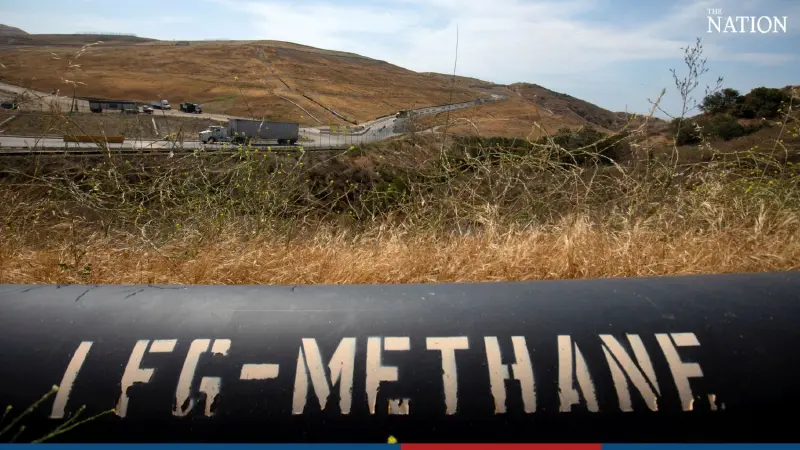


Invisible and odourless but much more harmful than carbon dioxide, climate change scientists consider methane to be a major driver of global warming.
Methane is a major component of natural gas and if captured, can be used as a fuel for power plants and domestic purposes.
However, methane is a powerful greenhouse gas, that according to scientists, traps heat 28 times more effectively than carbon dioxide over a 100-year timescale. Concentrations of methane have increased by more than 150% since industrial activities and intensive agriculture began.
On a global scale, methane emissions are responsible for around 20% of warming since the pre-industrial era, the United Nations has recently said.
Research increasingly shows that reducing emissions of methane is vital to limiting planetary warming to 2 degrees Celsius or less above pre-industrial times to avert the worst impacts of climate change.
The fossil fuel industry is failing to tackle methane emissions despite its pledges to uncover and fix leaking infrastructure, according to a report by the International Energy Agency (IEA) published in February 2023.
In 2022, the global energy industry released into the atmosphere some 135 million tonnes of methane, this was above 2020 and 2021 levels, and were only slightly below the record amount released in 2019, despite high energy prices and surging demand for natural gas that provided extra incentives to capture methane, the report said.
Around 60% of the world's methane emissions are produced by human activities - with the bulk coming from agriculture, waste disposal and fossil fuel production. Its concentration in the atmosphere is currently increasing at a rate of around 1% per year, according to the European Space Agency.
After decades focusing on the greenhouse gas carbon dioxide, policymakers have begun to recognise the threat posed by methane, and in 2021 over 100 nations signed a pledge to slash methane emissions by 30% from 2020 levels by 2030.
Methane's front-loaded climate impact is doubly worrying because the world is closer than previously thought to crossing "tipping points" at which climate feedback loops kick in to make global warming self-perpetuating.
A study in September 2022 suggested that some of the events that could touch off those feedback loops, like the collapse of the Greenland Ice Sheet or the melting of Arctic permafrost, are imminent.
In the energy sector, methane is emitted intentionally through venting and by accident from sites such as gas storage tanks, liquefied natural gas (LNG) terminals, pipeline compressor stations and oil and gas processing sites.
World governments, including the United States, are introducing requirements that the oil and gas industry detect and repair leaks after studies showed leaks in the industry were a huge problem.
