
WMO warns El Niño may hit Asia hard, raising Thailand’s drought risk into 2026
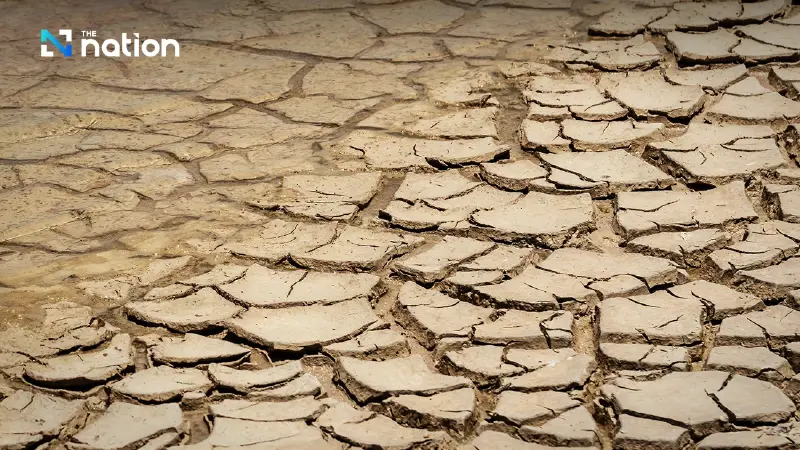


WMO says a strengthening El Niño could bring harsher heat and lower rainfall in Asia, with Thailand flagged as high-risk for prolonged drought.
The emerging El Niño now taking shape is being closely monitored by the World Meteorological Organization (WMO) and forecasters worldwide, after signs of a rapid rise in sea-surface temperatures in the Pacific Ocean raised the possibility of the strongest episode in a decade.
WMO-linked assessments suggest the outlook should become clearer between May and July, and the pattern could persist through the end of 2026, bringing heightened risks of heatwaves and prolonged drought in parts of Asia.
Thailand and Southeast Asia are viewed as among the regions most likely to face direct impacts, including more frequent and intense heatwaves and below-average rainfall. That could significantly affect water levels in reservoirs and natural water sources, increasing the risk of water shortages for agriculture and household use.
By contrast, parts of the Americas and Europe are seen as facing a higher likelihood of heavy rain and flooding, which could damage agricultural output and add pressure to an already strained global food outlook, alongside persistently high fertiliser costs.
In response, Prime Minister Anutin Charnvirakul has instructed the relevant agencies—particularly the Interior Ministry, the Agriculture and Cooperatives Ministry, and the Natural Resources and Environment Ministry—to prepare proactive drought contingency plans.
The priority, officials said, is ensuring sufficient supplies of clean water for household consumption, while encouraging farmers to adjust cropping patterns to match expected conditions in order to stabilise incomes. The government also wants more systematic water management for the industrial sector, aiming to minimise the impact of the climate threat across the economy.
