
Three storms batter Thailand: expert clarifies risk of 2011-style floods
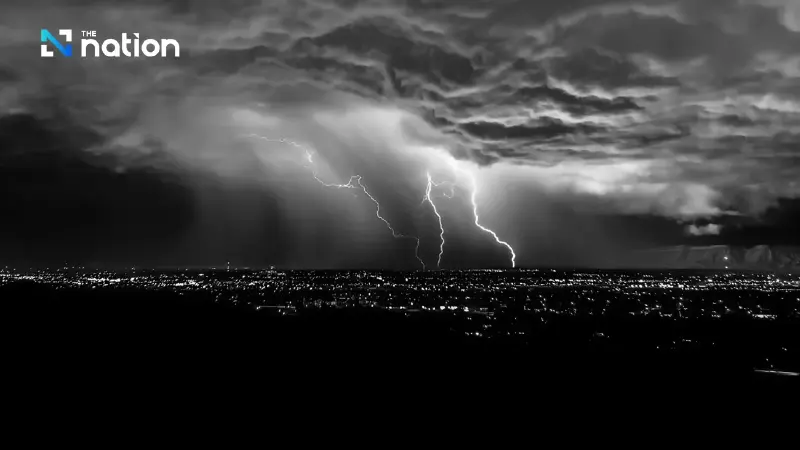


Weather patterns in late 2025 are being closely monitored amid speculation over whether Thailand could face devastating floods similar to those of 2011, against a backdrop of worsening climate volatility.
Over the past month, the country has endured three consecutive storms that brought stifling heat and heavy rainfall. These events signal abnormal conditions driven by higher-than-average land and sea surface temperatures.
Storm severity and trajectories have become more unpredictable. For instance, Tropical Storm Wipha dumped 300–400 millimetres of rain in the hardest-hit areas.
Climate extremes: more frequent and more intense
Seri Supratit, Director of the Climate Change and Disaster Centre at Rangsit University and a contributor to the Intergovernmental Panel on Climate Change (IPCC)’s Sixth Assessment Report (AR6), said such phenomena will become more frequent and intense in future.
While the annual average number of storms is unlikely to change significantly from the current 25, their intensity is expected to increase. Tropical storms could strengthen into typhoons, while some typhoons may intensify further into super typhoons, bringing heavier rainfall and stronger winds.
For the remainder of this year, around 12 more storms are forecast to form in the western Pacific. Whether they will make landfall in Thailand remains uncertain.
Losses in lives and property repeated year after year
Seri stressed that flooding, flash floods, and river overflows are not caused solely by storms and heavy rain. Land-use practices, urban planning, roads, flood barriers, and drainage infrastructure also play critical roles.
Each community has different capacities to cope. Some remain unprepared despite central forecasts and early warnings, such as alerts from the National Disaster Warning Centre via Cell Broadcast messages. As a result, loss of life and property continues to recur.
He emphasised that risk assessment and adaptation—both structural and non-structural—are urgent tasks to mitigate future damage.

‘Floods awaiting drainage’ the bigger concern
Looking ahead, Seri forecast that from September through mid-October, afternoons will remain hot and humid while rainfall will stay above average in the early weeks before gradually declining.
He cautioned that attention must be paid to the possibility of tropical storms forming from late September onwards. Although a weak La Niña is likely later this year, rainfall is not expected to be severe enough to trigger 2011-scale flooding.
“The more pressing issue is flooding that awaits drainage,” he noted, referring to problems in agricultural zones and urban communities.
Preparing for El Niño next year
In the South, several models suggest no repeat of the severe floods of 2024 unless a storm directly strikes, which is difficult to forecast far in advance and requires close short-term monitoring.
Looking ahead, global conditions may shift to an El Niño event in 2026, which would alter rainfall patterns and temperatures in Thailand in different ways.
