
Software Park Thailand aspires to be regional hub


Play
Park to forge links between local software firms, overseas buyers
Software Park Thailand aims to be the “businesses intelligence” hub for Thailand’s software industry by 2015 – a global software gateway – bridging the gap between local and foreign industry players.
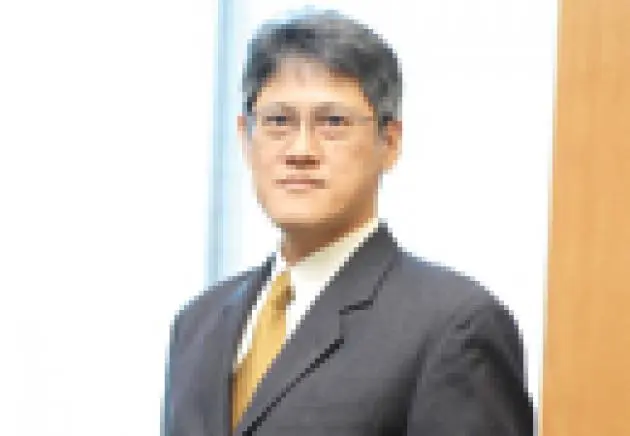
Software Park Thailand’s director Chalermpol Tuchinda said the role of the park was to strengthen the image of the country’s software companies and improve their competitiveness on the global market. As the new director of the park, he said his main goal was to turn the park into a regional gateway and to forge links between local software businesses, potential partners and customers around the world.
To achieve this goal, Chalermpol said that in the short term, its mission would be to develop its database of local software companies, software human resources and local software expertise. “Our Software Park Thailand database is now compiled of about 400 companies – all of which have joined us over the last decade. We incubate around 50 companies a year, but some of them are not active anymore. However, these 400 firms are all active and running businesses,” said Chalermpol.
The park was set up to be the centre for all of Thailand’s software-related activities and requirements. In addition to a comprehensive database network of software specialists, it will be home to software engineers as well as various specialised zones, dealing with research and development.
“If people need specialist information about the software industry in Thailand, we hope that they will come to us. We will do our best to meet their requirements by sourcing our database of experts, so that we can match them to those specialists in Thailand best suited to their needs,” said Chalermpol.
The park is also preparing to bridge the shortfall between supply and demand by acting as a hub for software developers – pooling the resources of software parks throughout the country and the region.
“We have three levels of software resources. First is at the country level within the Thailand Software Park Alliance – this pools the resources of software parks throughout the country. Second, we have signed a memorandum of understanding with the software incubation centres throughout Asean – such as Malaysia, Indonesia, the Philippines and Vietnam. Between us, we can match resources and help each other in the development of our expertise and IT networks. The third level is collaboration within the Asian-Oceanian Computing Industry Organisation (ASOCIO),” said Chalermpol.
In addition to regional collaboration, Chalermpol reiterated that during his term, one of the main focuses of the park would be to develop software human resources, in particular, training at middle-management level.
“The park has been developing software human resources, with an emphasis on training the technicians, especially programmers and coding experts. We have also been focusing on promoting the importance of CMMi certification among the park’s companies. Looking forward, it is imperative that we develop our middle management resources in order to effectively oversee software projects throughout the region. At the moment, we lack this kind of expertise, so we need to build our human resources through our networking capabilities with other countries,” said Chalermpol.
He said the park was focusing on three areas of expertise at middle management level, including specialists in software development, software architecture and software quality control.
“Currently, we have around 150,000 qualified developers but this is below industry requirements as the level of expertise is constantly growing. But while we require IT specialists, it is also important that we develop a strong base of project managers to coordinate strategies in software development,” said Chalermpol.
Lastly, the park will also play a role in assisting other industry sectors to reap the benefits of Thailand’s IT industry. The tourism industry, said Chalermpol, would be one sector where he hoped the park would be able to offer its services to tourism specialists needing IT expertise. The park would also join hands with the Ministry of Tourism and Sports to establish a common platform of specialisation that could tap the huge potential of the tourism industry.
“We would like to see this common technology platform benefit all stakeholders throughout the tourism industry,” said Chalermpol, adding that the “common platform” would be key goal for the park in 2014.
In the meantime, Chalermpol said Software Park Thailand would continue to support Thailand’s software industry, both as a networker and advisor. He said the park did not intend to duplicate the tasks of the Software Industry Promotion Agency (Sipa) but would collaborate with Sipa in order to strengthen Thailand’s software industry.
