
AT&T transforming for all-wireless age


Play
Cloud to be major component of communication by 2020, exec says
By 2020, AT&T plans to have completed its transformation into an all-wireless, Internet protocol, cloud-based company.
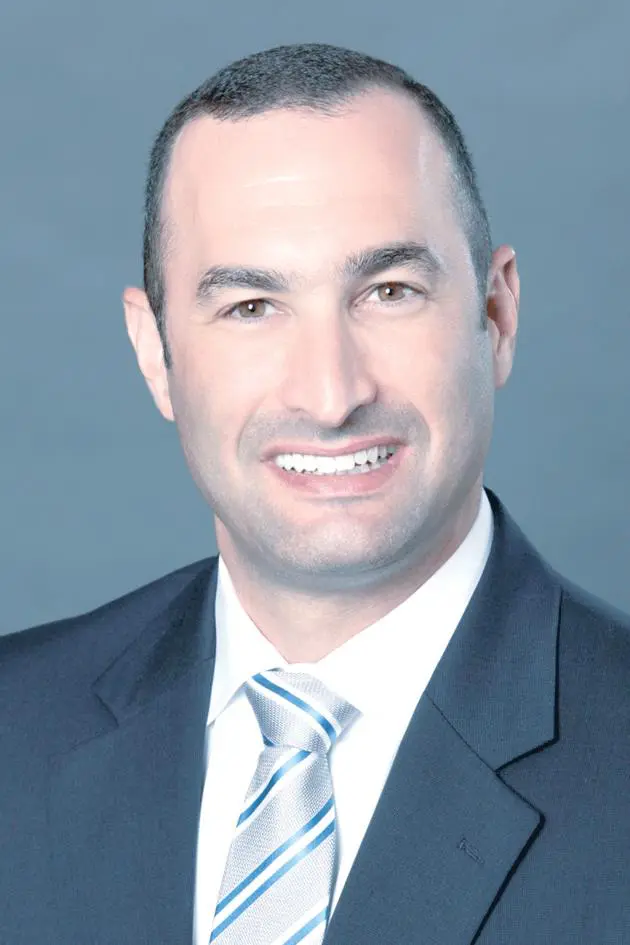
The US company is continuing to move towards communications platforms that are based on the cloud and mobility. Cloud storage will move intelligence from devices to the network. And the very idea of content stored on a device will be as outdated as dial-up modems, said Erich Loeb, vice president for international external affairs at AT&T.
“Connections will be integrated and simple. We believe our customers won’t know or care whether they’re on LTE [long-term evolution technology], Wi-Fi, big cell, small cell, Bluetooth, broadband, VPN [virtual private network] or fibre. All they’ll know is that it’s a fast, seamless, secure AT&T connection that will follow them from home, to office, even to car and to aeroplane,” he said.
He said that by 2020, it is expected that the smartphone will replace wallets, pass cards and keys; the tablet will be a mobile work space; and homes will not only respond to people’s needs but will anticipate them. Medicine will be personalised and pre-emptive, with better outcomes at lower cost.
There is not an industry that has not already been affected or that will not be even more radically affected over the next five years than the telecom business, by virtue of the mobile Internet.
“As we begin to combine high-speed mobile broadband and cloud technology, new services and opportunities are appearing. Businesses and industries across the board over the next five years are going to be reinvented,” Loeb said.
Moving to M2M
Also, the potential machine-to-machine applications are immense. He said AT&T was a global leader in developing and deploying M2M communications.
AT&T M2M technology allows businesses to sense issues with their machines, analyse the problem, and respond in a quick and cost-effective manner, minimising downtime and associated costs. It deploys M2M solutions that meet customer needs across a range of industries including healthcare, automobiles and airlines.
He stressed that the company would continue to provide global connectivity services and business applications to multinational corporations in Thailand. The company will continue to explore new innovative business opportunities.
For example, it believes that the potential of M2M applications is immense for agriculture, transport, logistics, healthcare, heavy-equipment manufacturers and the connected car. It also expects Thailand to remain a strategic priority for AT&T.
Huge opportunities
Loeb said one of the things it is seeing growing globally is the use of the Internet. Indeed, over the past six years, AT&T has experienced more than 75,000-per-cent growth in data traffic on its network in the United States, and it has invested heavily to support that traffic growth.
“For the plan to launch new services to Asian markets [including] Thailand, we align with our customers’ demands so we can provide world-class services. We do not release country-specific information,” he said.
He added that recently, Thailand had been a wonderful host country for the ITU Telecom World event. There is a commitment here to foster investment in the innovative services and networks that customers desire, and AT&T looks forward to the ongoing policy cooperation towards that goal.
Capital investment
The company has the long-term vision of continuing to invest in its global infrastructure, he said. Over the past few years, it has invested about US$1 billion (Bt33 billion) of capital annually for its services and global network of about 1.5 million kilometres of submarine cable connecting roughly 120 countries, and Thailand plays an important role in that.
Capital investment and great networks provide the foundation, but equally important are a mindset and a commitment to accelerate innovation and change.
To speed the pace of this innovation, AT&T opened its network to developers, allowing it to reach out to entrepreneurs, application developers and others.
“We’re allowing innovators to create new services on top of our network infrastructure,” Loeb said.
To turn good ideas into great products, it opened AT&T Foundries to help developers move from idea to commercialisation up to three times as fast as they did a few years ago. The goal is to empower people and unleash innovation.
AT&T has five foundries, in Atlanta, Georgia; Tel Aviv; Plano, Texas; and Silicon Valley. Dozens of AT&T Foundry-developed applications and services have been deployed such as cloud infrastructure, M2M, application programming interfaces, and healthcare apps.
“Through the AT&T Foundry and our outreach efforts, we’ve met with more than 1,500 organisations through fast pitches, building strong relationships with venture capital firms and relationships with other companies interested in collaborating with us,” he said.
