
The next Big Thing - the Internet of Things, or IoT


Play
The buzz of the Internet of Things has been getting louder, but what is this IoT? The Internet of Things or IoT is the network of physical objects such as devices, vehicles, buildings and other items embedded with electronics, software, sensors, and netw
So now that all these objects can talk to each other, so what’s the big deal? Well, as an example, would it be pleasant if our rooms were at the right temperature when we walk into our house? It can with the IoT.
We can have our phones tell our houses that we are about to leave the office, so start the laundry. Along the way, the car can update the house that it should start cooling down the rooms by turning on the AC and cooking the rice. As we get close to the door the phone can unlock the front door for us and turn on the lights in the foyer.
IoT doesn’t have to respond just to you. It can be set to moods or events like movie time. You can have your lights, shades, entertainment system and AC adjusted to create the perfect environment for movies while taking into account the time of day so that it knows to lower the shades or turn on the lights. Even have your house make your popcorn.
Home security is one more part of IoT that people are looking into. Having remote viewable cameras and door locks that can tell you if it’s unlocked or locked - and allow you to lock or unlock it remotely - can provide peace of mind. The corporate usage of this has been around for a while. Presentation mode lighting in meeting rooms or smart boards that can email what was written on them. It’s all now become affordable to the point we can put it into our homes.
Moore’s law has made this possible with cheaper microprocessors and new communications protocols like Zigbee, Z-Wave, Bluetooth and NFC. Soon, what we see as a luxury will become a standard and we could not imagine a world without it.
What can this technology bring to us as users? Data. We can use IoT to gather data on our behaviour and help make our lives better. It can help us understand our use of water, electricity and even food habits. Health tracking with activity monitors, smart scales, IoT glucose meters and many more things. We could give our doctors a clear picture of our health when we go for our yearly checkups or understand and save on our electric and water bills. Even drive smarter for better fuel consumption. Then if a large enough sample of this data could be collected over the country as a whole, we could understand and possibly predict resource consumption and have proper resource management plans to combat drought.
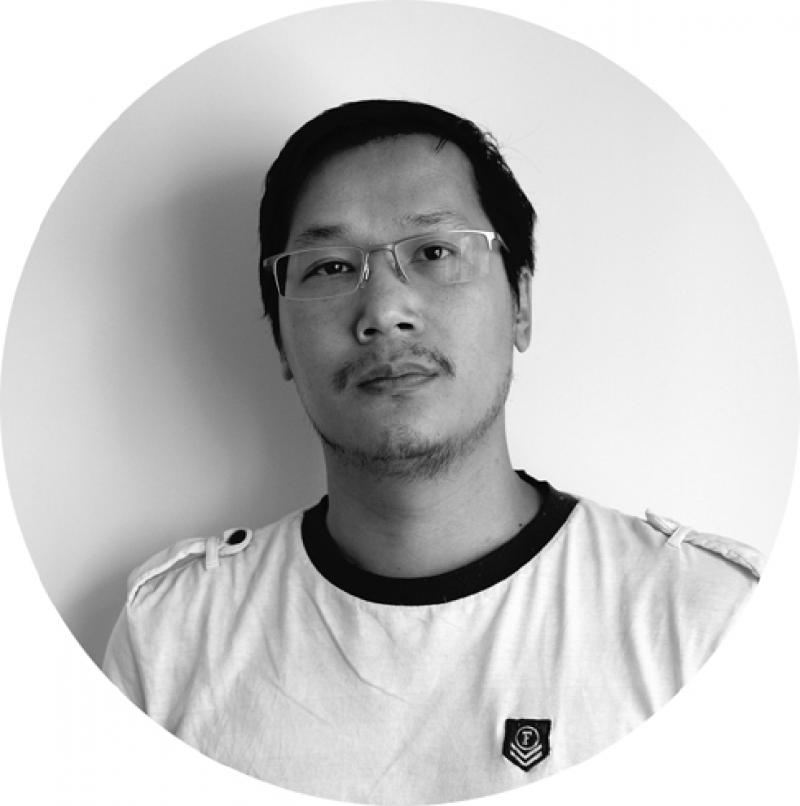
Badee Somboonpakron is technical director of Havas Worldwide Bangkok.
