
Security assurances necessary for mobile wallet adoption
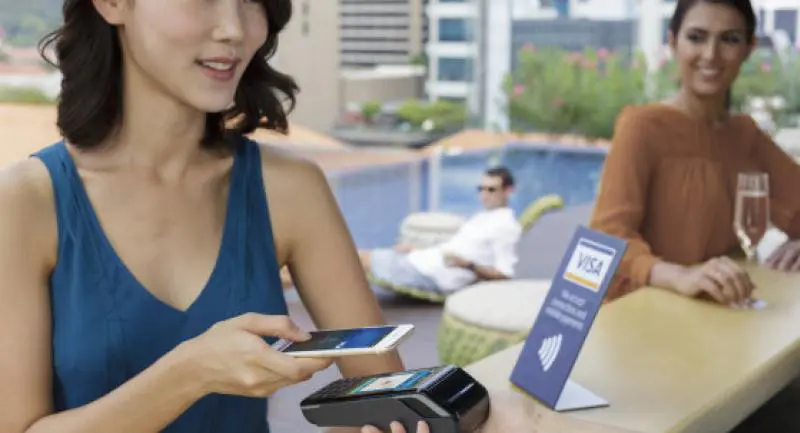


Security is key for mobile wallet adoption in Thailand, said Visa Study
The Visa Mobile Wallet and Contactless Study found that the majority of Thais (82 per cent) believe security is more important than convenience when it comes to mobile and contactless payments. With accelerated growth in financial technology (FinTech), public and private sectors are grappling with ways to increase consumer confidence in electronic payments, particularly when it comes to transactions carried out on mobile devices.
The average Thai spends around 160 minutes a day on their mobile devices.
By the end of 2016, it is estimated that around 20 million people will own smartphones in Thailand, a figure expected to rise to 24.8 million by 2019.
Although Internet access and mobile device ownership among Thais are on the rise, uptake of mobile financial services has been gradual, partly due to Thai consumers being unaware of advancements in cybersecurity, and technology.
Suripong Tantiyanon, Visa country manager Thailand, said that based on the study, the more secure the mobile payment experience is, the more willing consumers will be to use it.
"We’re confident this cautious yet optimistic attitude, coupled with Visa’s multilayered approach to security, will drive the uptake of mobile transactions in Thailand.”
The Visa study, independently conducted by YouGov on behalf of Visa, examines people’s attitudes towards mobile and contactless payments alongside those of other Southeast Asian markets, namely Singapore and Malaysia. It finds that the three biggest fears in mobile wallet security are hacking of mobile phone (73 per cent), theft of mobile phone (65 per cent) and getting charged for unintended purchases (63 per cent).
“Among the respondents, only 39 per cent said they would consider using third-party mobile wallets. But within this particular group of potential adopters 74 percent are already aware of how encrypted tokens eliminate the risk of personal data theft,” said Suripong.
