
Taiwan iPhone manufacturer dismisses Trump’s ‘Made in US’ bid
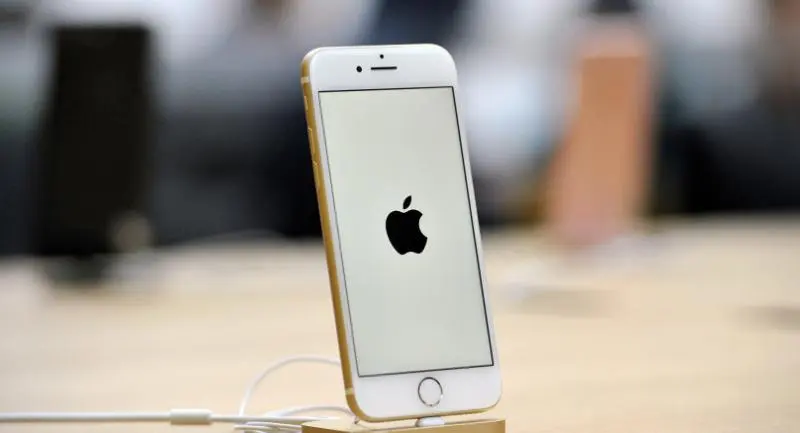


TAIPEI - Chairman of Pegatron, a major manufacturers for Apple’s iPhone, referring to President-elect Donald Trump's vision to bring back IT products manufacturing units to the US said laws had to be feasible and could not be used to restrict the advancement of technology.
President-elect Donald Trump’s bid to bring back the manufacturing of IT products to the United States will not be an easy task, said the chairman of one of Taiwan’s biggest electronic device-makers Saturday.
“It’s easier said than done,” remarked Pegatron Chairman Tung Tzu-hsien when asked to comment on Trump’s ‘Made in the USA’ vision. Pegatron is one of the major manufacturers for Apple’s iPhone.
Tung joked that it would be easier to have McDonald’s or Coca-Cola move their manufacturing back to the United States because their supply chains are not as complicated as that for the IT industry.
The manufacturing of IT products involves a long supply chain that covers many upstream, midstream and downstream sectors, such as materials and components supply, IC design and chip-making.
Tung said Trump had been elected to be the president of the United States, not an emperor. The president is not above the law or technological and industrial developments, he said.
The president cannot use the law to restrict the advancement of technology and any law must be feasible, said Tung, who is also head of the Taipei Computer Association (TAC).
Tung was speaking to the press after presiding over a ceremony marking the start of TAC-organised event IT Month in Taipei.
He said campaign talk may not necessarily turn into actual policies or laws. He said the law was meant to protect the people’s lives and property, and that no president could dictate private businesses’ investments.
So far, no government bodies, business organisations or brand vendors have held discussions or made demands about moving manufacturing back to the United States, Tung said.
However, Taiwan’s Ministry of Economic Affairs (MOEA) has disclosed that Trump’s ‘Made in the USA’ vow has mounted pressure on Taiwanese firms.
Deputy Economics Minister Shen Jong-chin said Thursday that local firms had “received requests” concerning Trump and voiced their concerns to the ministry.
Shen said most complaints had come from the technology sector, though textile suppliers and automakers had also expressed worry.
Asked how a Trump administration may affect employment, tax revenue and economic productivity, Shen said the impact required more detailed analysis, stressing that the MOEA had commissioned a think tank to assess the impact and present a report within a month.
She said the government would closely monitor Trump’s policy directions, with a focus on changes to economic and trade policies related to the Asia-Pacific region and measures that affect Taiwan’s macro-economics and Taiwan-US relations.
