
Bangkok Deploying ‘Cooling Spots’ as Summer Heat Intensifies
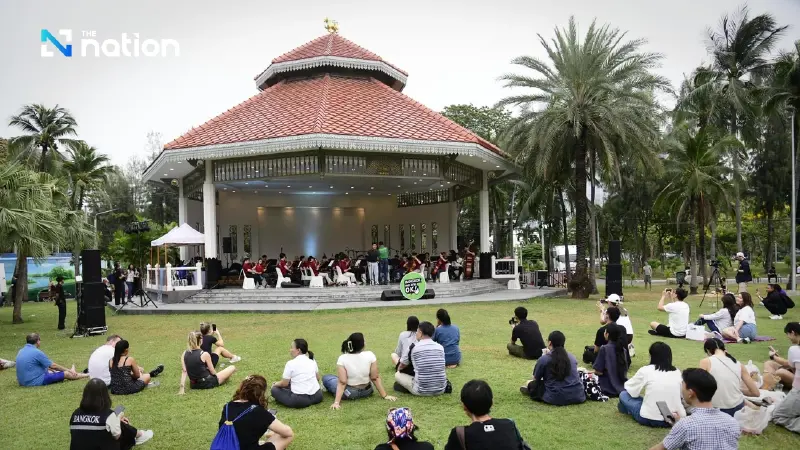


Bangkok Governor Chadchart Sittipunt rolls out 2,800 hydration points and ‘Cooling Centres’ as the capital prepares for a heatwave lasting until mid-May
- Bangkok is establishing a network of "BKK Cooling Spots," including over 2,800 drinking water stations and hundreds of cooling zones in public parks, to combat a severe heatwave.
- The initiative includes 255 "BKK Cooling Centres" located in public facilities like schools, health centres, and district offices to provide air-conditioned sanctuary for residents.
- A four-tier, color-coded warning system based on the Heat Index has been introduced to advise residents on safe activity levels, with the highest alert prohibiting all outdoor activities.
Bangkok Governor Chadchart Sittipunt rolls out 2,800 hydration points and ‘Cooling Centres’ as the capital prepares for a heatwave lasting until mid-May.
The Bangkok Metropolitan Administration (BMA) has significantly escalated its response to the city’s rising temperatures, launching a comprehensive network of "BKK Cooling Spots" and more than 2,800 drinking water stations to safeguard residents.
Presiding over a high-level executive meeting at City Hall, Governor Chadchart Sittipunt fast-tracked the Urban Heat Management Plan for the 2026 summer season.
With extreme heat expected to persist until mid-May, the Governor emphasised that the priority is providing immediate, equitable access to hydration and air-conditioned sanctuary.
A City-Wide Cooling Network
The BMA has identified hundreds of strategic locations to mitigate the risk of heatstroke, ranging from lush green spaces to public facilities:
The Parks Initiative: 110 cooling zones have been established across 48 major public parks, supplemented by 242 stations within the city's "15-minute" pocket park network.
Community Sanctuaries: A total of 255 "BKK Cooling Centres" have been opened in 51 BMA schools, 10 vocational colleges, 68 health centres, and 50 district offices.
Hydration Hubs: To prevent dehydration—a primary trigger for heatstroke—2,806 clean drinking water points have been activated across all 50 districts.
"While convenience stores remain the most accessible cooling points for many, we are focusing on our public spaces to ensure no one is left behind," Governor Chadchart stated.
He particularly urged district officials to prioritise vulnerable groups and those engaging in outdoor exercise.

The Four-Tier Warning System
To help citizens manage their daily activities, the BMA has introduced a health-centric warning system based on the Heat Index. Unlike standard temperature readings, the index accounts for relative humidity, which can make the air feel significantly more oppressive.
The four levels of alert are:
- Green (Watch): 27.0–32.9°C.
- Yellow (Warning): 33.0–41.9°C – Residents are advised to reduce outdoor activity.
- Orange (Danger): 42.0–51.9°C – Outdoor activities should be avoided where possible.
- Red (Extreme Danger): Above 52.0°C – Outdoor activities are strictly prohibited due to the critical risk of heatstroke.

A Multi-Front Safety Strategy
The administration’s heat strategy extends beyond temperature management. Deputy Secretary Dr Lertluck Leelaruangsang has suggested incorporating temples as community shelters, while Vice Governor Tavida Kamolvej raised the alarm regarding increased fire risks, particularly grass fires in arid areas during the peak of summer.
Furthermore, the governor has ordered an intensive rabies vaccination and sterilisation campaign for the city’s stray animal population, as extreme heat often coincides with an increase in outbreaks.
The BMA has confirmed that the effectiveness of these heat-mitigation measures will be used as a key performance indicator (KPI) for all city agencies, marking a shift toward a proactive, data-driven approach to urban climate resilience.
