
Competing for growth in a changing world: Lessons for Thai businesses


To compete amid global openness, businesses must focus on innovation and elevating product standards to differentiate themselves from increased competition.
- To compete amid global openness, businesses must focus on innovation and elevating product standards to differentiate themselves from increased competition.
- Building resilient supply chains requires moving up the value chain from manufacturing to design, brand ownership, and integrating digital and sustainability practices.
- Growth in an AI-driven marketplace depends on earning consumer trust through personalised, authentic experiences rather than pursuing mass appeal.
- The value of technology investments is only realised when paired with parallel investments in workforce skills, strategic alignment, and strong governance.
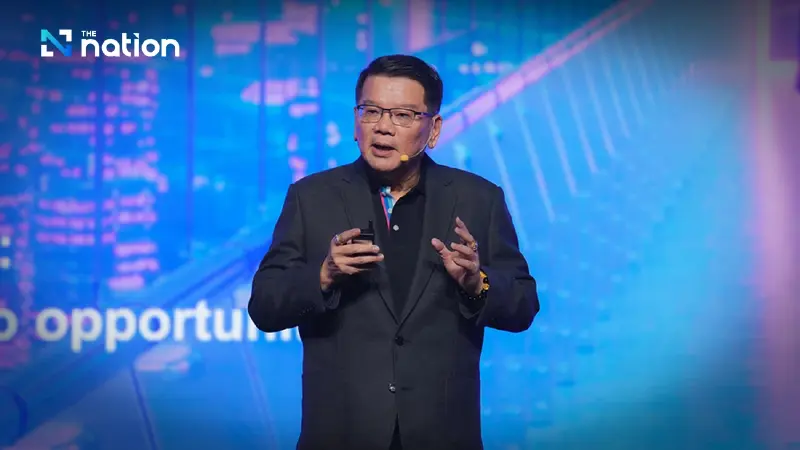
The past year has reminded us that uncertainty is not temporary — it is the new operating norm. From political transition to global trade tensions and disruptive technologies, Thai businesses face a world where change is constant and accelerating. Reflecting on what we heard at the KPMG Business Leaders’ Summit 2025, one message stood out to me: what matters most is not predicting the future, but preparing to adapt when it arrives.
Openness brings both competition and growth
A key takeaway is the balance between openness and protection. Competitive tariff agreements and free trade can reduce costs and unlock new sourcing options, but they also heighten competition. The real challenge is not the tariff schedules, but whether businesses can maintain quality, elevate product standards, and innovate quickly enough to stay ahead. For Thailand, expanding market access through regional agreements is important, but long-term success depends on how companies leverage these advantages to differentiate themselves.

Resilient supply chains mean moving up the value chain
Supply chains offer another key lesson. Global disruptions, from geopolitics to climate stress are reshaping how and where goods are produced. Resilience today goes beyond securing inputs or diversifying suppliers. It means moving up the value chain: shifting from contract manufacturing to design and brand ownership and embedding sustainability and digital capabilities into the core of growth strategies. Productivity, automation, and strong governance are no longer optional; they are essential foundations for competitiveness in a world shaped by “glocalisation,” and these elements open the path for Thai companies to pursue innovation-led growth.
Trust is the new currency with consumers
Consumers present a clear reality check. Expectations are rising, patience is shrinking, and loyalty is harder to earn. Technology is accelerating this shift: AI is changing how people search, choose, and ultimately purchase. For brands, growth won’t come from chasing everyone; it will come from earning trust within specific communities, then scaling. The real test is whether companies can deliver fast, personal, and authentic experiences while remaining discoverable and credible in an AI-driven marketplace.
Technology delivers value only when people are prepared
Cloud and data platforms provide flexibility, and AI can create efficiencies, but their impact depends on governance and workforce readiness. Yet systems often remain fragmented, and employees lack the skills to use new tools effectively. The lesson: investing in technology without investing in people leads to fragility, not resilience. From the start, leaders must align digital adoption with strategy, build team capabilities, and embed security and compliance into design.
Decisive leadership turns disruption into renewal
Periods of disruption amplify the need for decisive leadership. Making tough decisions quickly is often more cost-effective than delay or avoidance. Workforce strategies must go beyond short-term fixes to prepare for future growth, ensuring organisations stay agile enough to turn disruption into renewal.

Beyond expansion: disciplined, synergy-driven deals
Mergers and acquisitions continue to drive growth, but the approach is now more cautious and data-driven. This shift is reflected in investment strategies with more appetite for joint ventures and strategic partnerships, but with extended deal timelines. The focus has shifted from pure expansion to disciplined value creation, with due diligence driven by advanced analytics and technology.
Taken together, these lessons point to a clear conclusion: resilience is not about waiting for stability to return. It is about redefining how we compete in times of uncertainty. For Thai businesses, the opportunity lies in using this moment of transition to reposition themselves for long-term advantage — whether by finding new partners, exploring untapped markets, or rethinking how value is created. The choices made now will determine not only the future of individual companies but also the competitiveness of Thai business in the global economy.
To learn more about KPMG Business Leaders’ Summit 2025, please visit: https://kpmg.com/th/en/home/events/2025/09/kpmg-business-leaders-summit-2025.html
