
Why Thai Leaders Rarely Resign After Disasters: Lessons from Global Practices
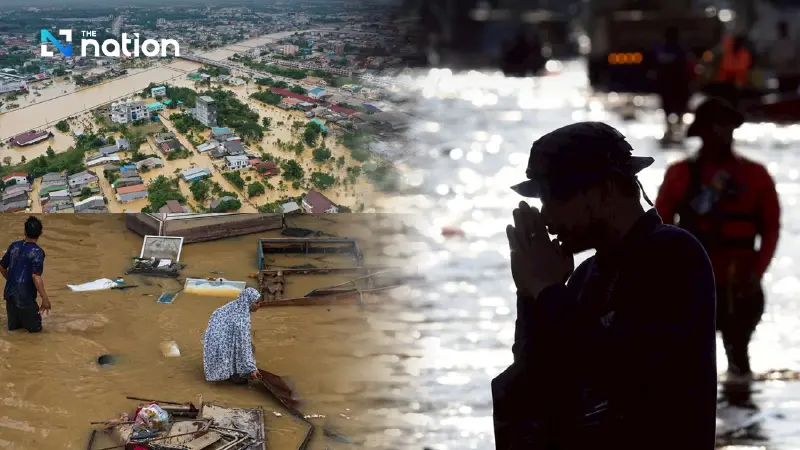


Global leaders, from Naoto Kan to Victor Ponta, have resigned after disasters as a sign of accountability. In contrast, Thailand’s political system often shields leaders from such pressure, even in the face of major crises like the southern floods.

In the wake of the devastating southern floods in Thailand, which have caused widespread loss of life, property, and economic damage, the question arises: How should leaders take responsibility for such disasters?
In many countries around the world, political leaders are expected to step down when they fail to effectively manage crises that have far-reaching impacts on their citizens. However, in Thailand, the resignation of leaders after major disasters is an extremely rare occurrence. This article explores why resignation is not a common practice in Thailand, comparing it with international cases where leaders resigned after disasters, and analyzing the factors that shape the political culture of accountability in the country.
1. The Political Structure in Thailand:
In many countries, resignation is viewed as an essential act of leadership accountability during a national crisis. In Japan, South Korea, and Lebanon, leaders have resigned after their failures to manage major disasters. However, in Thailand, the political structure and the institutional support for leaders prevent them from stepping down in times of crisis.
- Japan (Naoto Kan): During the 2011 Fukushima disaster, Prime Minister Naoto Kan faced intense criticism for his handling of the nuclear crisis. His lack of decisive leadership, slow communication, and failure to reassure the public led to his resignation. The Fukushima disaster is often cited as a clear example where a leader’s failure to manage a nuclear crisis forced him to step down, reflecting Japan's political culture of holding leaders accountable.
- South Korea (Chung Hong-won): In 2014, after the Sewol ferry disaster, which led to over 300 deaths, Prime Minister Chung Hong-won resigned, despite not being directly responsible for the ferry sinking. His resignation was seen as an act of moral responsibility for the government’s failure to coordinate a proper response.
- Lebanon (Hassan Diab): In 2020, Prime Minister Hassan Diab resigned after the Beirut port explosion that killed over 200 people. The explosion was caused by years of government negligence and corruption. Diab took moral responsibility, stepping down due to public outrage and the growing belief that the government’s failure to act led directly to the disaster.
In contrast, Thailand’s political structure often allows leaders to stay in power due to strong institutional support from their party. There is no effective opposition that can create enough pressure for resignation, meaning that the Prime Minister often remains in office, even when their leadership is severely criticized.
2. The Cultural Approach to Responsibility in Thailand:
In countries like Japan, South Korea, and Lebanon, resignation is seen as a moral obligation after a major crisis. Leaders step down to demonstrate accountability for their failure to protect their citizens and manage the crisis. However, in Thailand, resignation is often viewed as a political defeat, not a way to demonstrate leadership responsibility.
- Japan: After the Fukushima disaster, Naoto Kan’s resignation was seen as an act of moral responsibility, with the Japanese public demanding accountability from their leaders for the nuclear crisis.
- South Korea: Similarly, Chung Hong-won resigned after the Sewol ferry disaster, recognizing his moral responsibility for the failure to prevent the disaster, despite not being directly responsible.
- Lebanon: Hassan Diab stepped down after the Beirut explosion to show moral responsibility for the government’s failure to act on multiple warnings about the dangerous chemicals stored at the port.
In Thailand, however, resignation is often seen as a sign of weakness. Political leaders in Thailand prefer to stay in power and fix the problem rather than step down. The cultural expectation in Thailand is to solve the crisis from within, rather than acknowledge failure by resigning.
3. The Decentralization of Blame in Thailand:
In Thailand, blame for disasters is often spread across multiple agencies, making it difficult for the Prime Minister or other leaders to be held accountable for failures. This system of decentralized responsibility means that leadership is often seen as not directly responsible for disasters, even when they are clearly linked to government mismanagement.
For example, during the 2011 Thai floods, blame was dispersed across multiple agencies, including the Department of Disaster Prevention, Ministry of Interior, and local government authorities. This meant that the Prime Minister was less likely to be held responsible because the failure was attributed to a collective issue, not a single person or government leader.
In contrast, in countries like Japan and South Korea, the failure of key government agencies to respond to a disaster is often seen as a failure of national leadership, leading to resignations from the leaders in charge.
4. The Role of Public and Media Pressure in Thailand:
In countries like Japan, South Korea, and Lebanon, public protests and media pressure often lead to resignations after major disasters. The media in these countries plays a significant role in mobilizing public opinion and pushing leaders to take responsibility.
- Japan: After the Fukushima disaster, Naoto Kan faced enormous pressure from the media and public protests, which demanded his resignation. The public was deeply disappointed in his failure to manage the crisis and held him accountable for the government’s inaction.
- South Korea: Following the Sewol ferry disaster, Chung Hong-won resigned as a result of the mass protests and media pressure, even though he was not directly responsible for the incident.
- Lebanon: The Beirut explosion led to large-scale protests demanding the resignation of the government, and Hassan Diab stepped down as a direct result of the public demand for accountability.
In Thailand, however, while there is significant media criticism, public protests have yet to reach the same level of intensity or organization that would force a leader to resign. The political pressure from the public is not as overwhelming, and the media's influence is not strong enough to create a political crisis that forces a resignation.

5. Perception of Natural Disasters in Thailand:
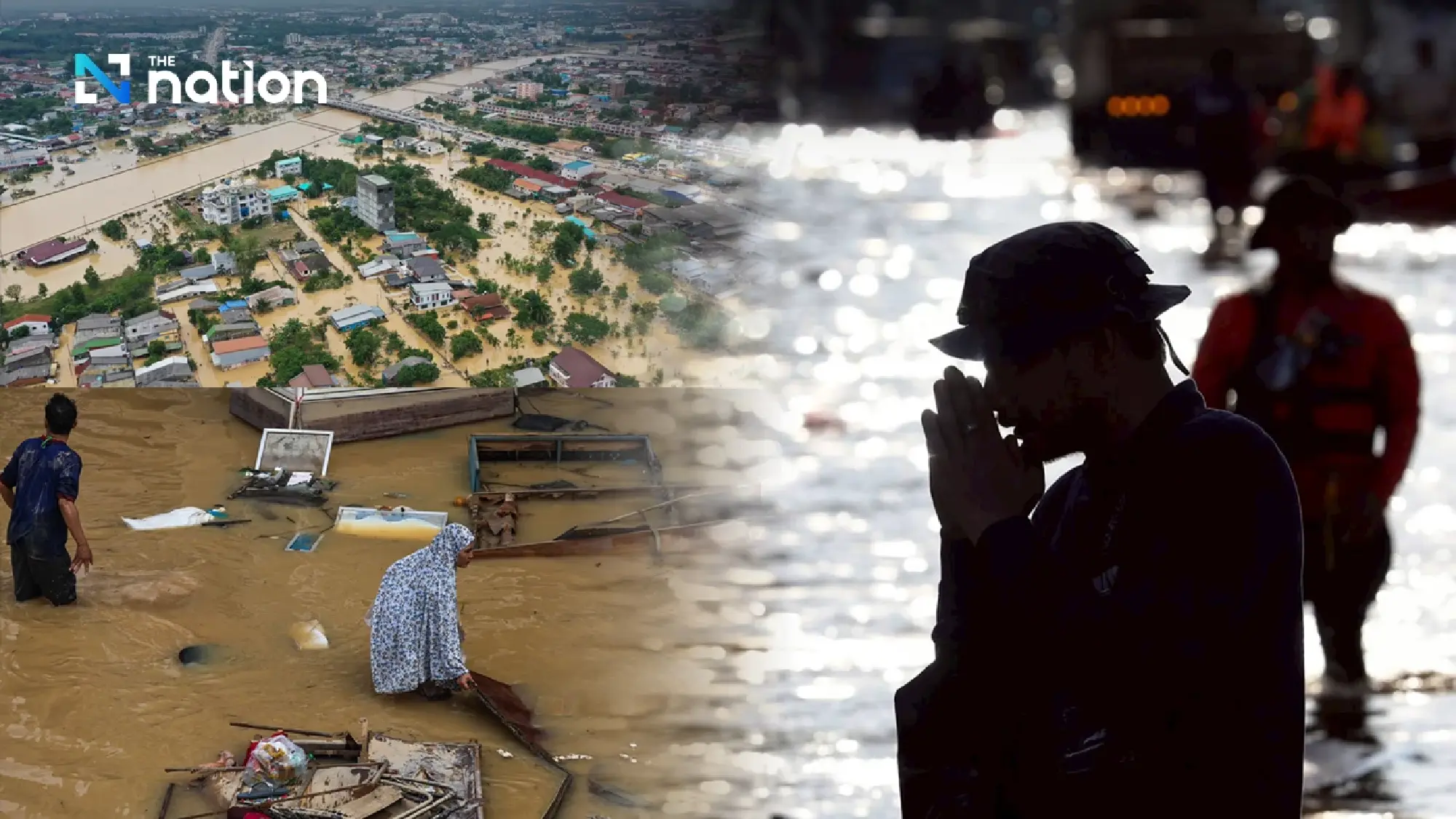
In Thailand, natural disasters, especially floods, are often viewed as recurring events that are beyond human control. This perception minimizes the idea that poor governance is responsible for these disasters. In contrast, in countries like Japan and South Korea, disasters like Fukushima or Sewol are seen as failures in leadership and government negligence, making resignation a logical response.
For example, in Thailand, annual flooding is often attributed to climate change and unpredictable weather patterns, rather than government mismanagement or poor disaster preparedness. This makes it harder for leaders to be held accountable for the failure to prevent or manage such disasters.
In summary, while leaders in countries like Japan, South Korea, Lebanon, Romania, and India are expected to step down when they fail to manage disasters, in Thailand, resignation is seen as a political failure. Thailand’s political structure, cultural norms, and bureaucratic system all contribute to a situation where leaders rarely face direct accountability for disasters. Until Thailand’s political culture evolves to place greater emphasis on accountability for leadership during crises, it is unlikely that resignation will become a common practice after major disasters.
Summary of Global Leadership Resignations Due to Disasters:
- Naoto Kan – Prime Minister of Japan (2010-2011) – Fukushima Disaster (2011)
- Disaster: The 9.0 magnitude earthquake and tsunami on March 11, 2011, led to the Fukushima nuclear meltdown, causing significant loss of life and a radiation crisis.
- Criticism: The government’s poor communication and slow response to the crisis led to public dissatisfaction. Many felt the government failed to manage the situation, and polls indicated that the public saw Kan as lacking leadership during the crisis.
- Resignation: Kan resigned after facing political pressure and a no-confidence motion from the opposition and his own party. He announced he would step down once key legislation related to recovery and renewable energy was passed.
- Lesson: Poor communication and slow decision-making during a nuclear crisis can lead to leaders losing public confidence and being forced to resign.
- Chung Hong-won – Prime Minister of South Korea (2013-2015) – Sewol Ferry Disaster (2014)
- Disaster: The Sewol ferry sank on April 16, 2014, resulting in the deaths of over 300 people, most of whom were high school students.
- Criticism: The slow evacuation, confusing commands, and lack of coordination in the government response, combined with neglect of safety regulations, led to widespread public anger.
- Resignation: Chung Hong-won resigned on April 27, 2014, calling his resignation the “best apology” for the incident. His resignation was seen as symbolic for accepting political responsibility, even though he was not directly responsible for the sinking.
- Lesson: Government mismanagement of a disaster and the failure of rescue operations often lead to public pressure for leaders to resign, even when they are not directly responsible.
- Hassan Diab – Prime Minister of Lebanon (2020) – Beirut Port Explosion (2020)
- Disaster: The Beirut port explosion on August 4, 2020, caused by improperly stored ammonium nitrate, resulted in at least 200 deaths, thousands of injuries, and widespread destruction.
- Criticism: The government was accused of years of neglect, corruption, and failure to act on repeated warnings about the dangerous chemicals stored in the port.
- Resignation: Hassan Diab and his entire government resigned on August 10, 2020, acknowledging that the explosion was a result of deep-rooted corruption. His resignation was seen as a response to public demands for accountability.
- Lesson: In countries with weak governance and corruption, failure to act on warnings and mismanagement can lead to the resignation of leaders when the public demands accountability.
- Victor Ponta – Prime Minister of Romania (2012-2015) – Colectiv Nightclub Fire (2015)
- Disaster: A fire at the Colectiv nightclub in Bucharest killed over 60 people due to poor safety standards and corruption in issuing permits.
- Criticism: The lack of safety regulations, corruption at local levels, and weak enforcement of building safety codes led to public outrage.
- Resignation: After large-scale protests and public demands for accountability, Victor Ponta resigned on November 4, 2015. His resignation was seen as accepting moral responsibility for the government’s failure to ensure safety.
- Lesson: Government failure in enforcing safety standards and corruption can trigger mass protests and force leaders to step down.
- Lal Bahadur Shastri – Minister of Railways, India (1952-1956) – Railway Accidents (1956)
- Disaster: Two train accidents in India (Mahbubnagar and Ariyalur) in 1956 resulted in over 300 deaths.
- Criticism: As the Minister of Railways, Lal Bahadur Shastri was responsible for the oversight of rail safety, though he was not directly involved in the accidents.
- Resignation: After the Ariyalur disaster, Shastri offered his resignation twice. His resignation was accepted, marking a key example of a leader taking moral responsibility for systemic failures under his supervision.
- Lesson: Leaders should take moral responsibility for systemic failures in the sectors they oversee, even when they are not directly involved in the incident.
- Regional Leaders' Resignations:
- Carlos Mazón – President of the Valencia Region, Spain: After the October 2024 flooding that claimed over 230 lives, Carlos Mazón faced criticism for slow disaster response and lack of preparedness. Despite not causing the disaster directly, he resigned under pressure from the public and protests.
- Constança Urbano de Sousa – Minister of Internal Affairs, Portugal: Following the 2017 wildfires, which killed over 100 people, the Minister resigned due to the failure to manage the fires and lack of preparedness, even though the Prime Minister did not.
