
Crews searching for Titanic submersible detect sounds - US Coast Guard


Play
A Canadian aircraft detected underwater noises in the North Atlantic during the search for a tourist submersible that vanished while on a voyage to the wreck of the Titanic , the U.S. Coast Guard said on Wednesday (June 21).
The discovery on Tuesday (June 20) led search teams to relocate their underwater robotic search operations "in an attempt to explore the origin of the noises," the Coast Guard said in a series of tweets posted in the early hours of Wednesday morning.
The newly relocated searches by ROV (remotely operated vehicles) came up empty handed but will continue, the Coast Guard said. The statements did not detail the nature or extent of the sounds that were detected, or how they were picked up.
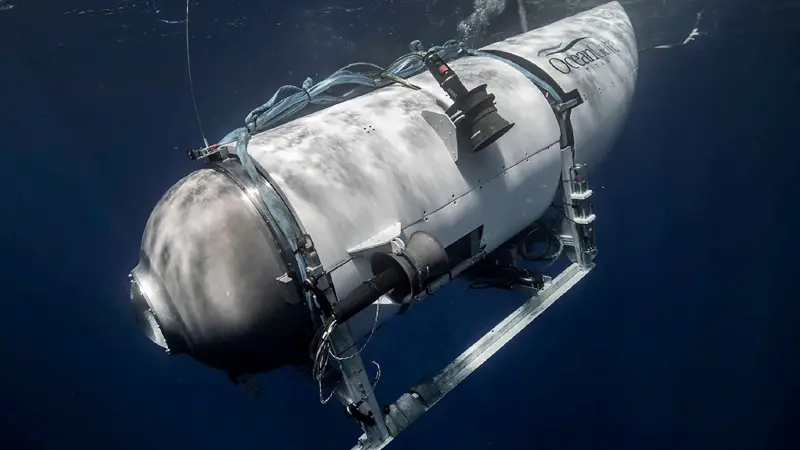
The Titan, operated by U.S.-based OceanGate Expeditions, was built to stay underwater for 96 hours, according to its specifications - giving the five people aboard until Thursday (June 22) morning before air runs out.
