
Thai Airways to phase out first class as part of cabin overhaul
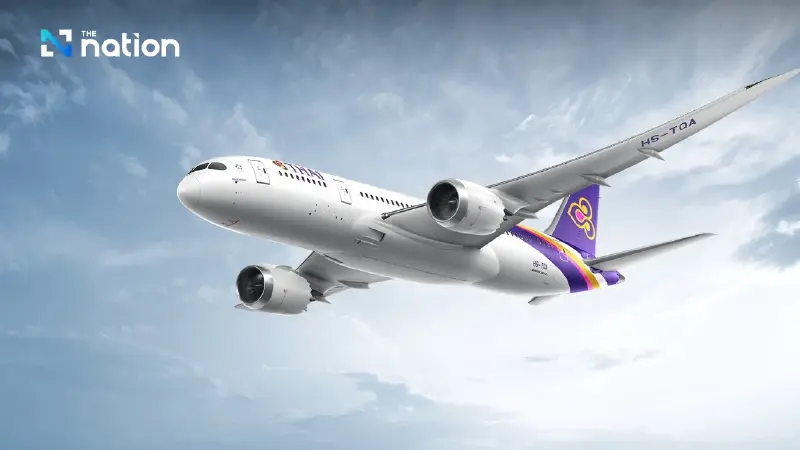


Thai Airways International (THAI) has announced it will phase out first-class cabins across all routes, marking a significant strategic shift in line with global aviation trends.
- Thai Airways will phase out its first-class cabins over the next two to three years, restructuring its fleet to offer only business, premium economy, and economy classes.
- The decision is driven by declining passenger demand for first class, as modern business-class cabins now offer a comparable level of luxury, including lie-flat beds and enhanced privacy.
- Removing first class is a strategic move for cost efficiency, allowing the airline to reconfigure the space for more profitable business or premium economy seats that better match market demand.
- This change aligns with a global industry trend of major airlines eliminating first class, and all of Thai Airways' new aircraft, including 45 Boeing 787 Dreamliners, will be delivered without a first-class cabin.
Under its two-to-three-year restructuring plan, the airline will streamline seating into three main classes: business, premium economy and economy.
To cater for passengers still seeking an elevated experience, THAI is also considering introducing a new “premium business” section in the front rows of selected aircraft.
Airlines worldwide phase out first class as business cabins rise
The disappearance of first-class cabins is not unique to Thai Airways. Leading global carriers such as American Airlines, Turkish Airlines, Oman Air, Air New Zealand and Malaysia Airlines have already eliminated their most exclusive seats, making business class the top tier on their fleets.
Even Middle Eastern giants like Emirates and Qatar Airways are now introducing new aircraft designed without first-class cabins, signalling a wider industry shift.
The change is driven not only by cost efficiency but also by evolving passenger preferences. In particular, today’s new-generation business-class seats are designed to offer a level of luxury and comfort comparable to traditional first class.

Thai Airways to focus on business and premium economy
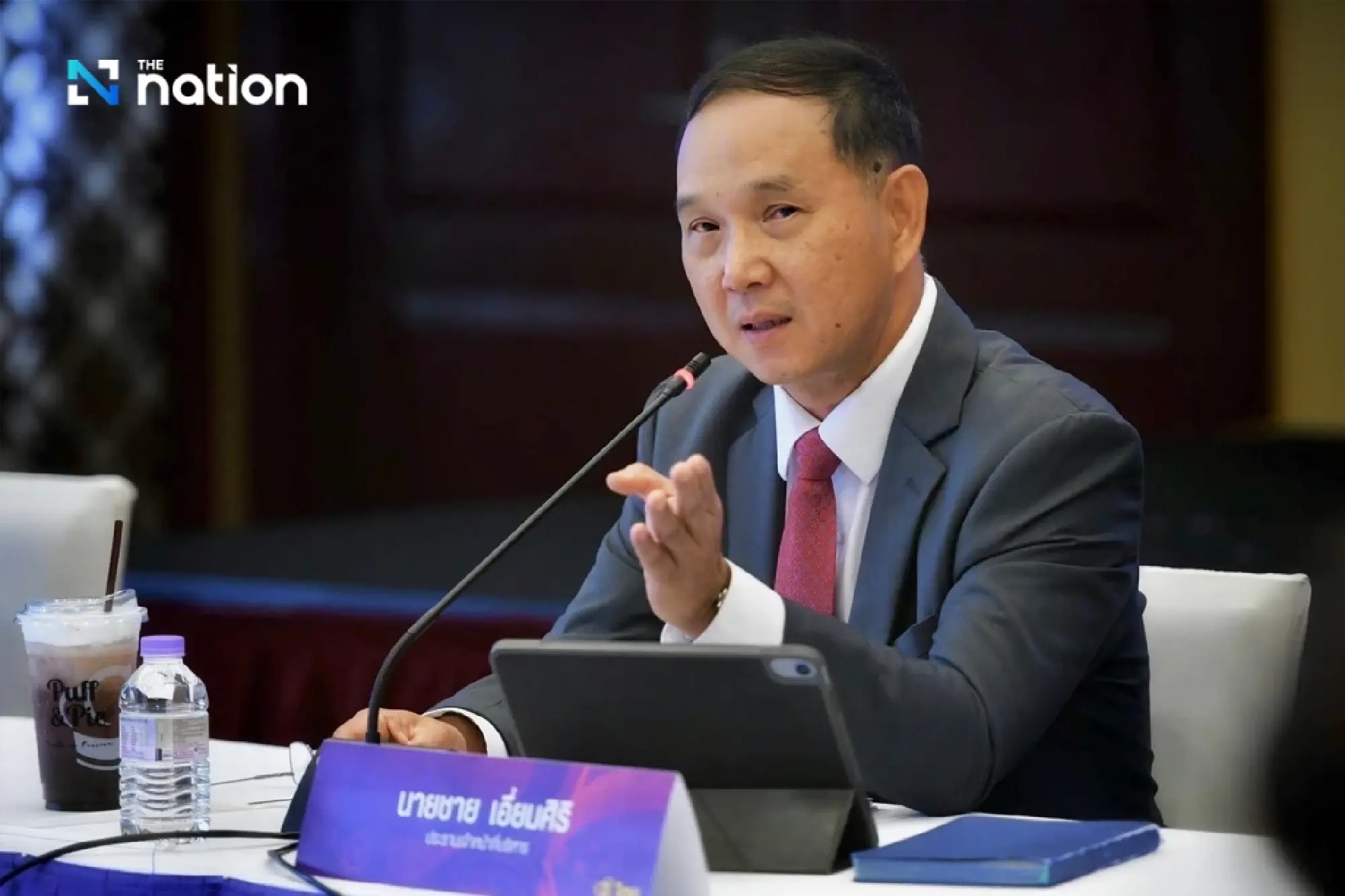
THAI will restructure its cabin services over the next two to three years, eliminating first class and standardising its fleet with three service tiers: business, premium economy and economy, CEO Chai Eamsiri has confirmed.
The airline said the move reflects global aviation trends and shifting passenger demand. First class, long regarded as the most luxurious cabin with wide seats, lie-flat beds, premium dining and personalised service, will disappear from THAI’s network.
The carrier has already been gradually reducing its first-class offering, which currently remains on just a few routes, such as Bangkok–London and Bangkok–Narita. These will also be phased out in the near future.
Looking ahead, THAI’s order of 45 Boeing 787 Dreamliners, with the first nine deliveries scheduled in 2028, will arrive without first-class seating. All aircraft in this order, as well as future acquisitions, will adopt the same three-class configuration, creating a consistent and unified product across the fleet.
Thai Airways to upgrade fleet and expand to 150 aircraft by 2033
Over the next two years, THAI will retrofit 14 Boeing 777-300ER aircraft with newly designed business-class suites featuring private doors, alongside refreshed premium economy and economy seating.
The airline will also enhance its 20-strong Airbus A350 fleet, installing the latest cabin innovations to deliver a more premium long-haul travel experience. The A350 upgrade programme is scheduled to begin in 2028. According to THAI, the overall seat reconfiguration plan will ensure consistency and standardisation across its entire fleet.
Looking further ahead, THAI aims to expand its fleet to 150 aircraft by 2033, comprising 98 wide-body and 52 narrow-body jets. The line-up will include 15 Boeing 777-300ERs, 17 Airbus A350s, 66 Boeing 787 Dreamliners, and 52 Airbus A320/A321neos.
At present, the carrier operates 78 aircraft — 58 wide-body and 20 narrow-body across six types. While awaiting delivery of new aircraft, THAI plans to lease an additional 8–10 wide-body planes for around six years to support long-haul operations between 2027 and 2028.
The proposal, currently under board consideration, is aimed at boosting THAI’s passenger market share at Bangkok’s Suvarnabhumi Airport from 35% in 2029 to 42%, close to its record high in 2013.

Three reasons why Thai Airways is scrapping first class
Business class is now the real luxury
Modern business-class cabins feature lie-flat beds, premium dining and enhanced privacy. With these upgrades, the difference between first and business class has become negligible.
Passengers choose value
Most travellers are unwilling to pay almost double the fare for only marginally better perks. Demand for first class has therefore declined steadily over the years.
Cost efficiency and strategy
The space once reserved for first-class suites can be reconfigured to add more business or premium economy seats, products that sell better and match market demand more effectively.
By ending first class, THAI is redirecting investment towards products that deliver stronger returns and align with the needs of today’s travellers, aiming to secure long-term sustainability and competitiveness in the global airline industry.
