
Global central banks keep stockpiling gold at record pace
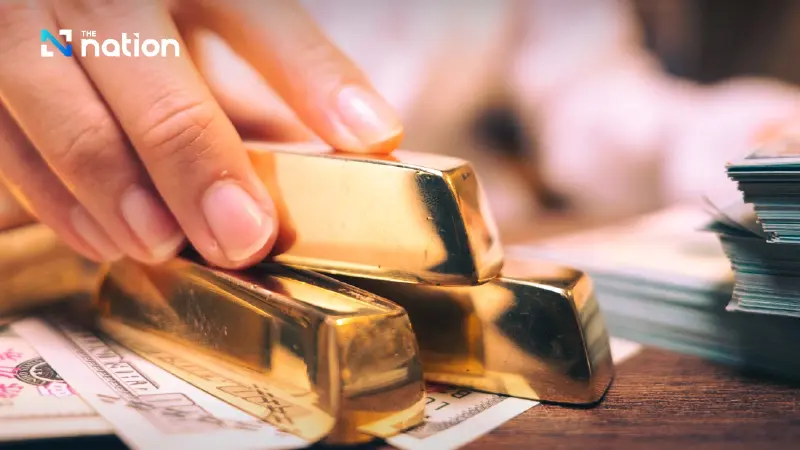


Amid today’s global uncertainty, central banks around the world are purchasing gold at an unprecedented pace, accumulating approximately 80 metric tons per month, valued at around $8.5 billion based on current prices.
This remarkable figure underscores the urgency and determination among central banks to increase their gold reserves.
According to a January 2025 survey by HSBC involving 72 central banks, over one-third plan to purchase more gold this year, while none intend to sell—a strong signal of a unified trend toward accumulation.
The Driving Force: Concerns Over the US Dollar
A key catalyst behind this gold rush was the freezing of Russia’s foreign reserves by the US and its allies in 2022 following the invasion of Ukraine. Since that pivotal event, the pace of gold purchases by central banks has doubled, as many began reassessing the risks of overreliance on the US dollar and shifting toward diversification.
As Adam Lapinski, Governor of the National Bank of Poland, explained:
“Gold is the safest reserve asset—it’s not directly tied to any one country’s economic policy, it withstands crises, and preserves real value over the long term.”

The freezing of Russia’s assets highlighted the potential for the US dollar to be weaponised, with access to financial systems subject to unilateral restrictions. In contrast, gold stored domestically is immune to sanctions or external interference, making it increasingly attractive to central banks as a safer hedge.


China: A Key Buyer Operating in the Shadows
China’s central bank—the People’s Bank of China (PBOC)—is a major player in this trend, although it is often opaque about its gold purchases. In 2015, after six years of silence, the PBOC shocked the market by announcing a 600-ton increase in its reserves. This pattern of delayed or partial disclosure continues, adding intrigue and uncertainty to China's exact role in the global gold market.
Despite limited official disclosures, Goldman Sachs estimates that China has been purchasing an average of 40 metric tons of gold per month since 2022. This estimate is based on trade flows, including ongoing gold exports from the London market to China—even during months when PBOC made no official announcements.
Notably, the import of 400-ounce gold bars—the preferred format for central banks—continued even when gold prices in Shanghai were lower than in London, a scenario that defies typical commercial trading logic. This pattern suggests non-commercial, reserve-related accumulation.
Bloomberg trade data further reveals that over the past three years, more than 1,200 tons of central bank-grade gold flowed into Switzerland. These shipments were either vaulted within Swiss storage or re-exported to undisclosed end-holders—another indication of accelerated post-2022 demand.
Goldman, JPMorgan See Long-Term Price Surge Ahead
Goldman Sachs projects gold will hit $3,700 per ounce by the end of 2025, compared to $3,360 as of June 3, not far from April's peak of $3,500. The primary driver, analysts say, is the expectation that central banks will continue their historic pace of gold accumulation.
JPMorgan Chase offers an even more striking long-term outlook: if just 0.5% of global dollar-denominated foreign assets were shifted into gold over the next few years, the metal could soar to $6,000 per ounce by 2029.
Currently, gold accounts for only 6% of China’s reserves, compared to 75% for the US, Germany, France, and Italy. The global average is around 20%, which analysts see as a realistic medium-term target for emerging market central banks.
A Slow Exit from the Dollar?
Taken together, these trends point toward a gradual yet accelerating shift away from the US dollar in global reserves. Analysts warn that the dollar’s share could decline faster than in recent years, as central banks seek diversification not only into other currencies but into gold, a stateless, sanction-proof asset.
Ultimately, this wave of record-breaking central bank gold purchases signals a broader transformation in the global financial system. The concern over dollar dependency, combined with rising geopolitical tensions, is prompting central banks to rethink how they store value and hedge risk.
Gold, with its immunity from unilateral sanctions and its non-reliance on any single sovereign, is becoming the reserve asset of choice. If this momentum continues, it could push gold prices even higher—and, more importantly, reshape the foundation of global finance in the years ahead.
