
Thai Airways explains flight cuts amid fuel crisis and slowing demand
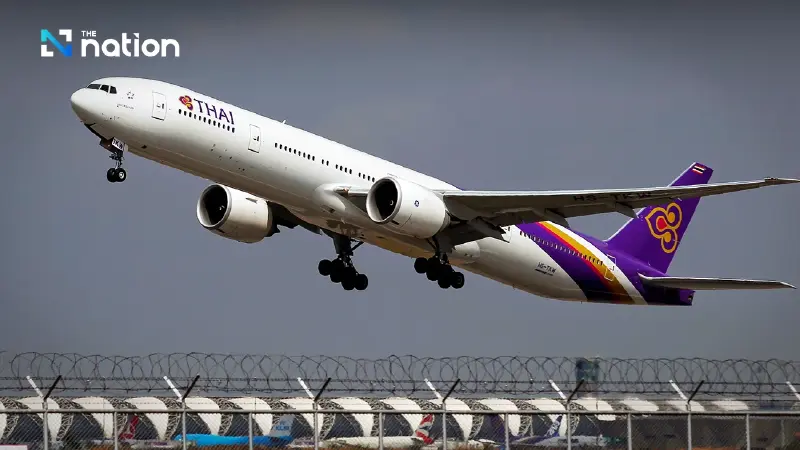


Chai Eamsiri says flight reductions are temporary, with passengers still able to change services across all routes as the airline manages fuel costs and softer travel demand.
- Thai Airways is reducing and cancelling flights from May 2026 due to the dual pressures of soaring aviation fuel costs and a slowdown in passenger demand.
- The drop in demand is attributed to economic uncertainty and higher living costs, which have led to low bookings and flights with many empty seats.
- The adjustments are a temporary, short-term measure affecting 4-5% of the schedule, with the airline prioritising merging flights or using smaller planes over outright cancellations.
- The airline is monitoring the situation and is prepared to restore normal flight schedules if and when travel demand recovers.
Chai Eamsiri, Chief Executive Officer of Thai Airways International Public Company Limited, said the airline’s decision to reduce and cancel more than 46 flights on both domestic and international routes from May 2026 was part of its flight-management plan to align operations with the current situation.
He stressed that the move was not a permanent route cancellation, adding that the company would continue to operate as usual and maintain flights for passengers on every route.
The key factors behind the decision were rising energy prices and slower passenger travel demand, with travellers delaying decisions amid economic uncertainty and higher living costs.
As a result, bookings on some flights have remained low, particularly close to departure dates.
The airline therefore needed to adjust its flight plan to improve resource efficiency, reduce flights with large numbers of empty seats and merge some services.
Chai confirmed that passengers would still have travel options and would be able to change flights.

“Our principle is to consider business viability alongside passenger convenience. The first step is to change the aircraft size from larger to smaller. If necessary, we will then reduce frequency, such as from daily flights to five days a week, or merge flights with low bookings, so that we are not burning fuel unnecessarily. Flight cancellation will be the last option.”
Overall, the flight reductions in May 2026 account for around 4–5% of the airline’s total schedule and are only a short-term adjustment.
The company has set up a war room to monitor the situation closely on a day-to-day basis, integrating work across all departments so that plans can be adjusted promptly and efficiently.
If travel demand recovers, particularly during the high season, the airline is ready to restore flights to normal.
The cost of aviation fuel is a key factor behind the decision.
Before the end of February 2026, fuel prices stood at around US$90 per barrel before rising to a peak of about US$240 per barrel, or almost three times higher.

Although prices have since eased slightly, they remain high, averaging at least double the previous level.
This has forced airlines to manage costs strictly and adjust ticket prices to reflect actual costs.
Chai also said Thai Airways’ operating performance in the first quarter of 2026 was satisfactory and held no surprises.
However, he acknowledged that if the conflict in the Middle East continues throughout the year, it would have a severe impact on the global aviation industry.
Thai Airways will continue to closely monitor the situation, adjust its strategy as appropriate and maintain long-term business stability.
