
Bangkok faces health risks as PM 2.5 levels surge across all districts
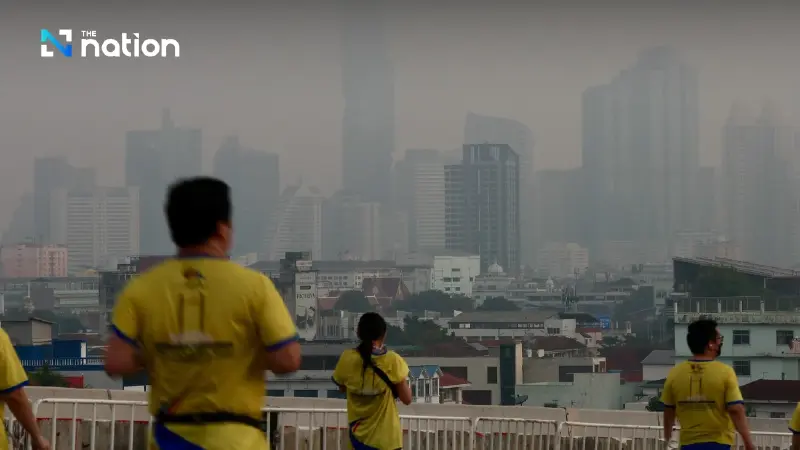


Public, especially at-risk groups, is advised to wear protective masks, limit strenuous outdoor activities, and monitor for symptoms like coughing and breathing difficulty.
- PM 2.5 pollution has exceeded the safety standard in all districts of Bangkok, creating a city-wide health risk.
- The city's average PM 2.5 level is 44.8 µg/m³, above the 37.5 µg/m³ safety limit, with the highest levels (up to 54.1 µg/m³) recorded in northern areas.
- The air quality is at an "orange level," prompting officials to advise the public to wear protective masks and limit strenuous outdoor activities.
- Residents, especially at-risk groups, are urged to monitor for symptoms like coughing, difficulty breathing, and eye irritation and to seek medical attention if they occur.
The Bangkok Air Quality Information Centre reported the PM 2.5 situation on Sunday (February 1) at 7am.
PM 2.5 levels in Bangkok have exceeded the safety limits in all districts.
The highest levels were recorded in the northern areas, with dust particles reaching 45–54.1 µg/m³, affecting respiratory health.
The average PM 2.5 level in Bangkok is 44.8 µg/m³ (the standard limit is 37.5 µg/m³).

The top 12 areas in Bangkok with the highest PM 2.5 levels are as follows:
- Chatuchak: 54.1 µg/m³
- Lat Krabang: 53.4 µg/m³
- Bang Kho Laem: 53.1 µg/m³
- Khlong Sam Wa: 53 µg/m³
- Bang Rak: 52.9 µg/m³
- Lak Si: 52.3 µg/m³
- Thawi Watthana: 50.7 µg/m³
- Nong Chok: 50.3 µg/m³
- Phra Nakhon: 50.2 µg/m³
- Sai Mai: 50.1 µg/m³
- Min Buri: 49.4 µg/m³
- Pathum Wan: 49 µg/m³
Air Quality Levels by Region:
- Northern Bangkok: 45 - 54.1 µg/m³ – Impacting health.
- Eastern Bangkok: 39.4 - 53.4 µg/m³ – Impacting health.
- Central Bangkok: 35.9 - 50.2 µg/m³ – Impacting health.
- Southern Bangkok: 35.5 - 53.1 µg/m³ – Impacting health.
- Thonburi North: 37.8 - 50.7 µg/m³ – Impacting health.
- Thonburi South: 33.8 - 45.1 µg/m³ – Impacting health.
The air quality is at an orange level, which poses a health risk.
The general public is advised to wear PM 2.5 protective masks when going outside.
Activities that require heavy physical exertion outdoors should be limited.
People should monitor for symptoms such as coughing, difficulty breathing, and eye irritation.
At-risk groups should also wear protective equipment like PM 2.5 masks when outside.
They should avoid strenuous outdoor activities and follow medical advice.
If any symptoms occur, they should seek medical attention immediately.
