
Thailand reports first rabies death of 2026 after man ignores puppy bite
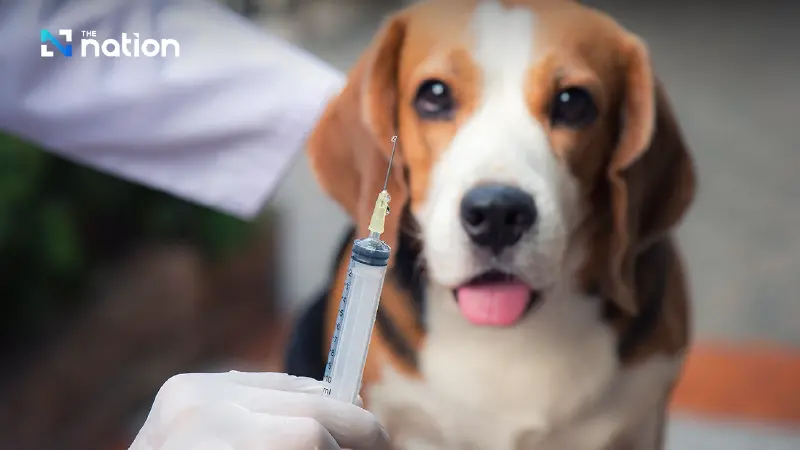


Following the tragic death of a 36-year-old man from an untreated bite, the Department of Disease Control urges immediate vaccination.
- Thailand has reported its first rabies fatality of 2026, a 36-year-old man in Rayong province.
- The man was bitten on the hand by a puppy in December 2025 but did not clean the wound or seek medical attention for a rabies vaccine.
- He developed symptoms in late January 2026 and died on January 25, after ignoring the initial bite.
Check for dangerous symptoms: dog bites and cat scratches can be fatal.
Recently, Thailand reported the "first rabies death of 2026", a 36-year-old man bitten by a puppy in late 2025 who refused to see a doctor for vaccination.
The infection spread, causing chest tightness, headaches, and difficulty breathing before his tragic death.
The Department of Disease Control (DDC) emphasises: if you don't want to die, you must get vaccinated.
Tragic Timeline Revealed
Dr Montien Kanasawat, Director-General of the DDC, stated that according to the rabies situation warning in 2026 (as of January 25), the DDC was notified of 1 confirmed rabies death in Rayong province, making it the first rabies fatality of 2026 on Friday (February 13).
The deceased was a 36-year-old male of Myanmar nationality.
He began showing symptoms on January 23, 2026, including chest tightness after drinking water, difficulty breathing, and dizziness, and passed away on January 25, 2026.
A disease investigation revealed that the deceased had a history of being bitten on the palm of his right hand in December 2025 by a puppy of unidentifiable ownership.
After being bitten, he did not clean the wound and did not see a doctor to receive the rabies vaccine.
Furthermore, no one saw the puppy after the incident, making it impossible to identify its symptoms or track the puppy's living history.

Worrying Statistics
The rabies situation in Thailand shows that rabid animals can still be found nationwide, especially in the eastern, northeastern, and southern regions of Thailand.
In 2025, there were reports of 7 rabies deaths in:
- Chonburi
- Tak
- Sisaket
- Nakhon Ratchasima
- Chachoengsao
- Rayong
All victims died because they did not see a doctor after being bitten, resulting in them not receiving the post-exposure rabies vaccine.
Over half of them contracted the infection from dogs with owners.
However, there are still people who do not realise the danger of this disease, even though it is a zoonotic disease (transmitted from animals to humans) that can occur year-round.
All mammals can transmit this virus to humans through saliva via biting, scratching, or licking open skin or wounds.

Check Urgently
The general public is advised to follow these guidelines when bitten, scratched, or licked on a wound by an animal: "Wash the wound, apply medicine, quarantine the dog, see a doctor, complete the vaccination."
In addition, pet owners should take their dogs and cats for annual rabies vaccinations to build immunity in the animals.
The animals most frequently found with rabies and that pose the highest risk of transmitting it to humans are dogs and cats.
Immediately after being bitten or scratched, you must rush to see a doctor to receive the full course of rabies vaccines.
The incubation period after receiving the virus is uncertain and depends on the location and amount of the virus received, averaging about 2 weeks to 2 months, though some cases can take up to 1 year.
If left untreated until the infected person shows symptoms, it cannot be cured, and it is fatal in all cases.
The symptoms that mostly appear include fever, headache, severe itching around the wound, delirium, photophobia (fear of light), aerophobia (fear of drafts), and difficulty swallowing water or food.
Dr Direk Khampaen, Deputy Director-General of the DDC, added that people with pets such as dogs and cats must take them for their first vaccination when they are 2-4 months old, and then revaccinate them annually as scheduled.
Pets should not be allowed outside the house alone without a leash.
If a dog or cat is found exhibiting aggressive behaviour or unusual lethargy leading to illness and death, please notify the local livestock office or relevant authorities immediately to reduce the risk of being bitten or attacked.
The "5 Don'ts" Spell to Protect Yourself from Dog Bites and the "Wash Wound-See Doctor" Principle to Memorise
To reduce the risk of being bitten, the DDC recommends adhering to the "5 Don'ts" principles as follows:
- Don't tease the dog to make it angry.
- Don't step on the tail, head, body, or legs, or startle the dog.
- Don't separate dogs that are fighting with your bare hands.
- Don't pick up the food bowl or take-away food while the dog is eating.
- Don't bother or approach stray dogs or animals outside the house with no owner or unknown history.
If you have any doubts, you can ask for more information at a nearby hospital.
For further inquiries, you can contact the DDC hotline at 1422.
