
Monchhichi makes a comeback at 51, riding Gen Z and Art Toy trends to a new golden era
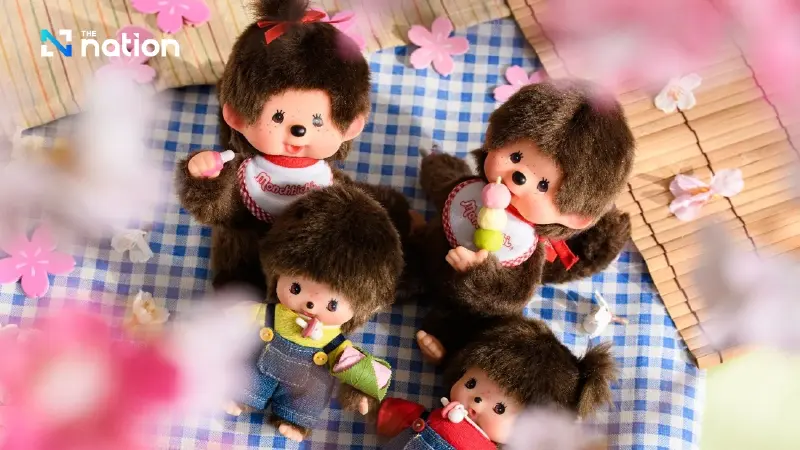


Monchhichi, the 51-year-old iconic monkey doll, makes a comeback using Gen Z power and Art Toy trends to reach a new golden era.
Amid the craze for Labubu, the iconic 51-year-old Japanese doll Monchhichi has made a stunning return to the market. According to Bloomberg, the phenomenon is exemplified by Australian influencer Sam Todd, who travelled to Tokyo chasing vintage fashion—and secretly hunting for a fluffy Monchhichi keychain. She eventually discovered a “treasure trove” in a Harajuku toy store, buying multiples with her partner as the shop limited purchases per person.
“The popularity is skyrocketing—everyone wants one,” Todd said in a TikTok video that went viral, signalling consumer excitement helping to revive Monchhichi’s legendary status.
The resurgence of Monchhichi, the Japanese brand’s soft-bodied monkey-faced doll, mirrors its golden era in the 1970s and 1980s. Sekiguchi Co., the creator and rights holder, reported that Monchhichi sales more than doubled in the most recent fiscal year (ending February 2025), generating 4.6 billion yen (around 1 billion baht).
International markets are outpacing Japan, now accounting for 40% of Monchhichi revenue, prompting the company to expand production in China and explore licensing opportunities globally. “Our goal is to make Monchhichi known worldwide,” said Toshitaka Yoshino, Sekiguchi’s President and CEO.
The revival coincides with the booming Art Toy trend among younger generations, reflected in the success of brands like Sonny Angels, Smiskis, Jellycats, and especially Labubu. The global keychain market alone is projected to reach US$28 billion by 2033.
Monchhichi first became a global sensation in 1974, achieving viral fame pre-internet and even collaborating with Mattel, before fading from the spotlight. Its comeback, however, has been stronger than ever, sparked initially in Thailand and South Korea. One key figure boosting the doll’s renewed popularity is BLACKPINK’s Lisa, who previously propelled Labubu sales. On 30 June 2025, Lisa posted an Instagram Story featuring her selection of Monchhichi dolls, further fuelling demand.

Despite the surge, Yoshino remains cautious, adhering to the philosophy that “what sells today may not sell tomorrow.” The company has accelerated production but avoids overexpansion, understanding the cyclical nature of the toy business. Past challenges included US tariff policies under Donald Trump, which temporarily halted orders from key markets.
Sekiguchi’s strategic pivot to target adults rather than children proved decisive. Yoshino explained, “Adults view Monchhichi as a character reflecting identity, not just a toy, and they have greater understanding and purchasing power.” The approach has proven successful through collaborations with Hello Kitty, Paris Saint-Germain, and placement in stylish lifestyle stores like Urban Outfitters.
Monchhichi’s comeback demonstrates how a classic brand can harness Gen Z energy and collector trends to enter a new golden era, appealing to both nostalgic fans and a new generation of consumers.
