
Observations on the Thailand-Cambodia situation
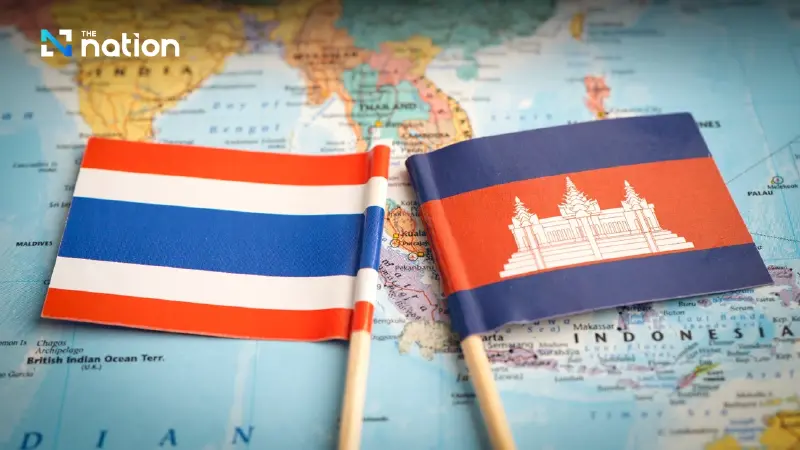


The ongoing conflict between Thailand and Cambodia has escalated, with both sides using weaponry to retaliate against one another. Considering the broader context of the situation, several observations can be made:
1. What is the end state of the war?
The Cambodian government has made it clear that it aims to internationalise the issue, with the ultimate goal of revising the Thailand-Cambodia border. Thailand, on the other hand, seems to prefer maintaining the status quo, with no significant policy shift expected on this matter.
2. What marks the end of the fighting?
Like all conflicts, this one can be ended through "negotiations and a ceasefire." The issue lies in when a ceasefire can genuinely be implemented and what form the negotiations will take to resolve the ongoing crisis.
3. For the Thai government, negotiations are preferred to be bilateral.
However, Cambodia seeks a multilateral approach, pushing for the issue to be brought to international forums. This discrepancy makes it challenging to predict what form the negotiations will take and whether they will successfully bring the conflict to an end.
4. How will the future of the people on both sides unfold? How will the wounds be healed?
In terms of geopolitics, no country can simply "move" away from the other. The people living on both sides of the border will ultimately have to coexist.
5. How will the relationship between the two governments evolve?
As mentioned in geopolitics, neighbouring countries must learn to coexist.
6. If the conflict drags on, there is a risk of intervention by major powers as mediators.
This brings the role of China into the spotlight, as all parties are keen to see how China will position itself regarding this conflict.
7. In border wars, there is always an information war and the spread of fake news.
This issue has occurred in both countries, with fabricated stories being used as tools in the conflict.
8. Balancing Political and Military Roles
How can the political sector take a leading role without understanding the issues of national security?
9. Nationalism as a Key Factor in Border Wars
The imagery of Cambodian military attacks directly responds to the rise of nationalism within Cambodia. Similarly, the Thai nationalist war sentiment is no less than that in Cambodia.
10. Finding a Way Out of the Conflict
In any war, finding a resolution is essential. Neither country can sustain a long-term war, as it would harm their economies and the well-being of their people. Serious strategic thinking must be devoted to the “De-escalation of War”.
11. Political Communication within Thailand
Effective political communication within Thailand is critical. To date, there has been no official government statement, and communication should not just involve playful remarks at the other country's leader.
12. Thailand’s Communication on the International Stage
Thailand's political communication with the international community is of great importance. The international stage does not have a clear view of the issue, so Thailand needs to communicate through platforms like the United Nations, ASEAN, and international media. Attacks on vulnerable targets in Thailand could negatively impact Cambodia’s image on the world stage.
Conclusion
Ultimately, we must monitor how this conflict will end. There's no denying that this war significantly affects the political situation within both countries. More importantly, it will have a lasting impact on the sentiments of people on both sides of the border in the future.
Professor Emeritus Dr Surachart Bamrungsuk
