
Thailand hotspots surge to 573, signalling cross-border PM 2.5 alert
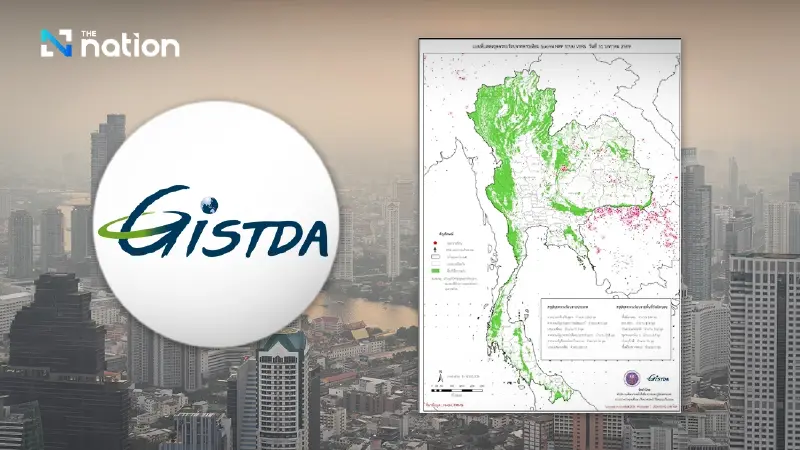


Significant number of hotspots in neighbouring countries, particularly Cambodia (1,283) and Myanmar (671), are raising concerns about cross-border PM 2.5 pollution.
- Thailand's GISTDA agency reported a total of 573 hotspots across the country, with the majority located in agricultural areas.
- The surge in hotspots is a key indicator of rising PM 2.5 dust pollution risks that can affect public health.
- A cross-border PM 2.5 alert was signalled due to a significantly higher number of hotspots in neighboring countries, particularly Cambodia with 1,283.
The Geo-Informatics and Space Technology Development Agency (Public Organisation) or GISTDA reported the latest Hotspot index on Sunday (January 31), based on data from the Suomi NPP satellite via the VIIRS system.
The report revealed a total of 573 hotspots in Thailand, with agricultural areas being the most concerning group, while neighbouring "Cambodia" remains critical with over 1,200 hotspots, signalling a need to monitor transboundary PM 2.5.
Summary of Hotspot Statistics in Thailand (By Area Type).
From the coordinate verification, the distribution across various areas is as follows:
- Agricultural Areas: 189 hotspots (Rank 1)
- Agricultural Land Reform Areas (ALRO): 174 hotspots
- National Reserved Forests: 102 hotspots
- Community and other areas: 64 hotspots
- Conserved Forests: 36 hotspots
- Highway areas: 8 hotspots
Situation in Neighbouring Countries (CLMV) The situation remains tense not only in Thailand but also across the ASEAN region.
A high volume of accumulated hotspots has been detected, which may impact transboundary haze issues:
- Cambodia: 1,283 hotspots
- Myanmar: 671 hotspots
- Laos: 261 hotspots
- Vietnam: 130 hotspots
- Malaysia: 66 hotspots
Caution: The rising number of hotspots in agricultural areas and national reserved forests is a key indicator of the risk regarding PM 2.5 dust problems, which will widely affect public health.
The public can track real-time situation reports and check historical risk areas at the website https://disaster.gistda.or.th/fire to prepare and monitor safety in their own areas.
