
Thailand steps up monitoring of Iran unrest as oil-price risks loom
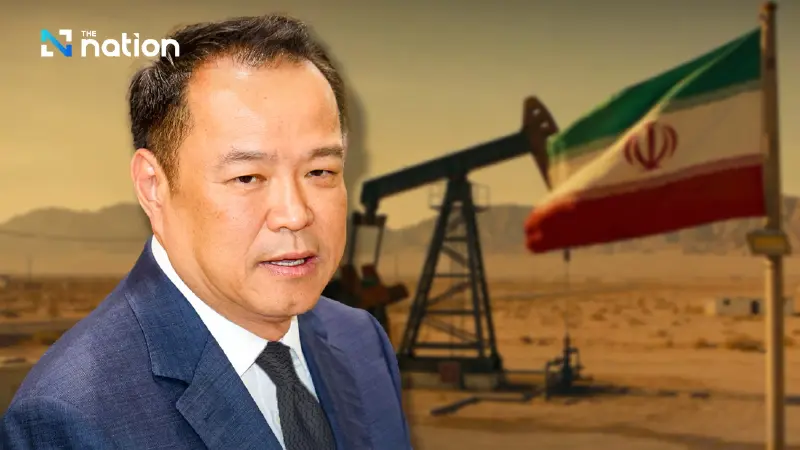


Thailand has ordered closer monitoring of Iran, warning any escalation could push up global oil prices, though domestic prices should stay steady for now.
- Thailand's government has instructed its Foreign Minister and economic council to closely monitor the unrest in Iran and assess potential impacts.
- The primary concern is the risk to global oil prices, as Iran is the world's third-largest oil producer and any supply disruption could cause a price surge.
- Despite the risk, officials currently assess the impact on Thailand as limited, stating that domestic fuel prices are unlikely to rise for now due to sufficient global supply.
- Authorities are also monitoring potential US actions, such as tariffs on countries trading with Iran, as a factor that could heighten geopolitical pressure and affect oil prices.
Global geopolitical tensions have intensified across several flashpoints in 2026, including Venezuela, Greenland and Iran, where violent protests have erupted.
US President Donald Trump has acknowledged that Washington is monitoring developments and stands ready to step in if unrest escalates.
The United States has also issued an order urging American citizens to leave Iran immediately.
Prime Minister Anutin Charnvirakul said on Tuesday (January 13) that a series of developments since the start of 2026 could affect the global geopolitical environment.
The Foreign Minister has been instructed to closely track the situation and assess possible impacts on Thailand, including economic and security implications, as well as the country’s response options.
Danucha Pichayanan, secretary-general of the National Economic and Social Development Council (NESDC), said the council is closely watching Iran, particularly for any effect on oil prices, given Iran’s role as a major global oil trader.
If tensions do not worsen, the impact on Thailand is expected to remain limited.
Oil prices have not risen so far because global supply still exceeds demand, keeping upward pressure in check.
Even so, the NESDC said Iran warrants close attention because it is a significant oil exporter.
Data from OPEC (Organisation of Petroleum Exporting Countries) indicate that Iran is the world’s third-largest oil producer, with output exceeding 3 million barrels a day.
Any disruption that reduces global supply could push up prices in international markets.
Energy Minister Attapol Rukpiboon said reports that President Trump may impose a 25% tariff on countries trading with Iran could influence oil prices through heightened geopolitical pressure and increasingly assertive US actions.
While prices could edge higher in the near term, domestic fuel prices should not be a concern, he added.
Asked again whether oil prices in Thailand would rise, Attapol said an increase was unlikely for now, though the situation still needs close monitoring.
