
Thailand’s BTS Group chairman calls for 40-baht rail fare to ease city costs amid oil surge
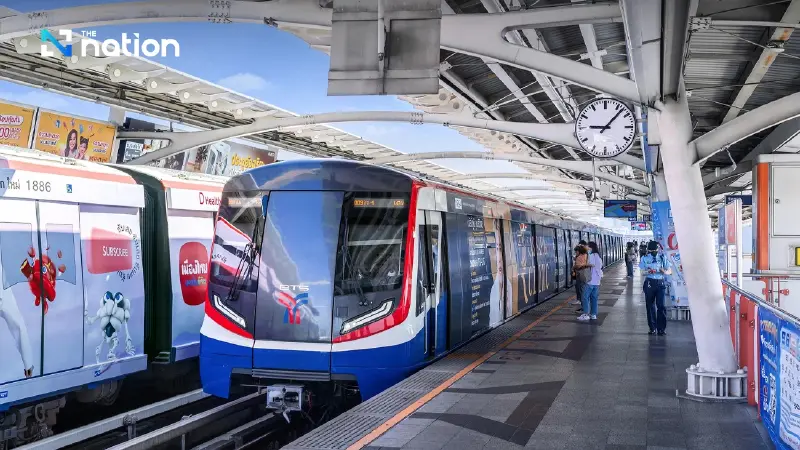


A fixed rail fare of about 40 baht a trip, or roughly 1,000 baht a month, is seen as an affordable way to draw commuters off the roads as fuel costs climb.
- The chairman of Thailand's BTS Group, Keeree Kanjanapas, has proposed a flat 40-baht urban rail fare to ease the public's financial burden from surging oil prices.
- The proposal aims to encourage private car users to switch to public transport, which would reduce traffic and overall energy consumption.
- Despite rising fuel costs, public transport usage has not yet significantly increased, as people remain in a "wait-and-see" phase.
- The implementation of the flat-fare policy is contingent on government support, which will need to consider the budget and wider economic impact.
Keeree Kanjanapas, chairman of the BTS Group, said persistently rising oil prices are increasing the cost burden on the public and raising costs across the wider economy. Although the government is still using measures to subsidise energy prices, he acknowledged that this is a burden on the budget and not a long-term solution.
The proposal to set urban rail fares at around 40 baht per trip, or roughly 1,000 baht a month on average, is seen as a price level that most people can afford. It is expected to encourage private car users to switch to public transport, leading to fewer vehicles on the roads.
Urban travel habits have not changed overnight
However, data from the past two weeks have not shown a significant increase in public transport use, reflecting that people remain in a “wait-and-see” phase because oil prices have not yet reached a level severe enough to seriously affect daily life.
Keeree believes the time has come for Bangkok residents to adjust their behaviour and make greater use of public transport, such as urban rail and buses. At the same time, steadily improving service quality could be another factor supporting users’ decisions. The development of transport infrastructure remains an important factor in accommodating future demand. If fares can be set at an appropriate and accessible level, this is expected to help reduce energy consumption and ease the impact of the oil price crisis in the long term.
State policy remains a key variable to watch. The proposal for a flat urban rail fare will still depend mainly on government support, with consideration needed for budget appropriateness, management and the impact on the wider economy. This oil price crisis could become an important turning point in driving changes in urban travel behaviour and accelerating the shift towards public transport becoming the “main option” in the future.
