
China says Thai art show ‘distorts’ its policies on Tibet, Xinjiang, Hong Kong
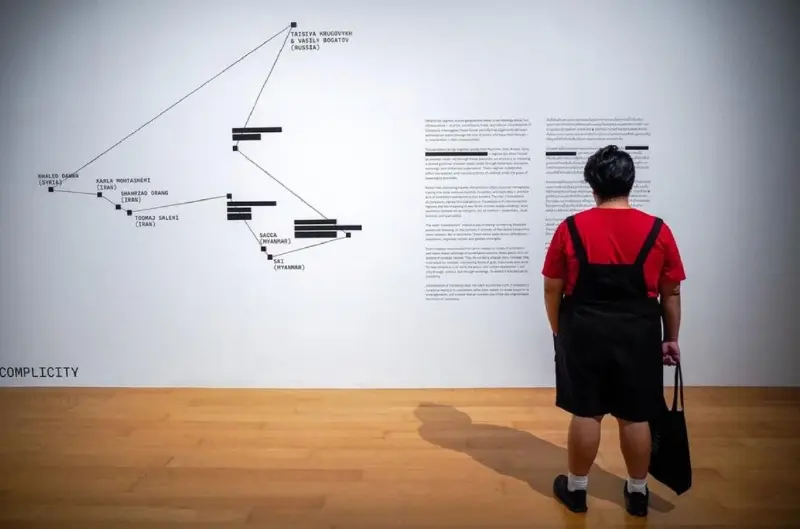


China accused the organisers of an exhibition in Thailand of promoting fallacies about its policies on Tibet, Xinjiang and Hong Kong after the show’s co-curator said artworks were removed or altered at Beijing’s request.
As China builds influence in Southeast Asia, regional governments are treading cautiously as they balance cooperation with the world’s second-biggest economy against concerns about political sovereignty.
Replying to Reuters’ queries about the exhibition, which opened in the Thai capital, Bangkok, on July 24, China’s Foreign Ministry said on Aug 11 it distorted Chinese policies and “undermined China’s core interests and political dignity”.
It neither confirmed nor denied that the Chinese embassy was behind the removal and alteration.
“The fact that the relevant country took timely measures precisely shows that the promotion of the fallacies of ‘Tibetan independence’, ‘East Turkestan Islamic Movement’ and ‘Hong Kong independence’ has no market internationally and is unpopular,” it added.
The gallery and Thailand’s Foreign Ministry did not respond to requests for comment.
Bangkok Arts and Cultural Centre, one of Thailand’s top galleries, removed or altered artworks on Hong Kong, as well as the Chinese government’s treatment of ethnic minorities in Tibet and Xinjiang.
In a July 30 e-mail seen by Reuters, the gallery said: “Due to pressure from the Chinese Embassy – transmitted through the Ministry of Foreign Affairs and particularly the Bangkok Metropolitan Administration, our main supporter – we have been warned that the exhibition may risk creating diplomatic tensions between Thailand and China.”
The e-mail said the gallery had “no choice but to make certain adjustments”, including obscuring the names of the Hong Kong, Tibetan and Uighur artists.
The show, titled Constellation Of Complicity: Visualising The Global Machinery Of Authoritarian Solidarity, had a theme of authoritarian governments and featured works by artists in exile.
Its co-curator, Mr Sai, an artist from Myanmar who goes by one name, said China’s response showed it was “engaging in systematic political manipulation far beyond its borders”, such as in his own country, where Beijing backs the ruling military.
If the claims about ethnic minority causes were true, he said, there would have been no need to send officials “into galleries in Thailand, no need to black out artists’ names, and no need to threaten institutions into compliance”.
He added: “Censorship is never the weapon of those confident in the strength of their ideas.”
Reuters
