
Japan land prices rise for 4th year in row


The average land price in Japan as of July 1 rose 1.5 % from a year earlier, up for the fourth consecutive year, thanks to a moderate economic recovery, land ministry data showed Tuesday.
The growth rate accelerated from last year's 1.4 %.
Amid the continued nationwide price growth, the average price for residential districts in regional areas, excluding the Tokyo, Osaka and Nagoya metropolitan areas and the four major regional cities of Sapporo, Sendai, Hiroshima and Fukuoka, ended a 30-year decline.
By use type, the nationwide average climbed 1.0 % for residential districts and 2.8 % for commercial districts. The increase in residential land prices reflected still low mortgage rates and growing housing demand in resort areas. Among commercial districts, areas visited by foreign tourists and hosting new semiconductor plants showed remarkable land price increases.
In central Tokyo, land prices in commercial districts that also include condominiums were pushed up by investments in condominiums, including those by foreigners.
In Tokyo, Osaka and Nagoya, both the average residential and commercial land prices rose faster than in the previous year. The average prices also grew in the four regional cities, though growth decelerated for the second consecutive year. In other regional areas, the average commercial land price posted a sharper rise.
The number of prefectures with higher residential land prices came to 20, up by three, while that of prefectures with higher commercial land prices increased by two to 30.
In areas affected by the January 2024 Noto Peninsula earthquake, residential and commercial land prices continued to fall, albeit more slowly. This was thanks to progress in infrastructure improvement and the state-paid demolition of damaged houses.
A residential land plot in the Akasaka district of Tokyo's Minato Ward remained the highest-priced such plot for the seventh successive year, with its price rising to 6.43 million yen per square meter from 5.56 million yen.
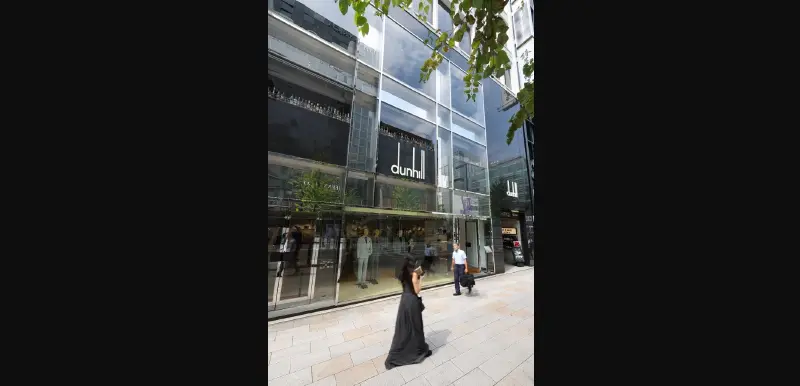
Among commercial land plots, a building site in the upscale Ginza district of the capital's Chuo Ward had the highest price for the 20th consecutive year, at 46.9 million yen per square meter, up from 42.1 million yen.
