
Japan retailers racing with low-priced goods amid inflation


Japanese retailers are competing to offer low-priced goods as consumers continue to keep their purse strings tight amid inflation on Thursday (January 1).
While it is increasingly difficult for retailers to differentiate their goods from rivals' in terms of prices due to higher material and labour costs, they are making efforts to keep the prices of their merchandise low by using cheap materials and ingredients, such as imported rice, and reviewing packages.
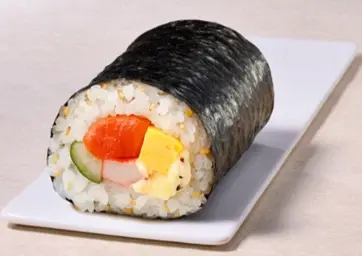
Convenience store operator Lawson Inc. plans to sell "ehomaki" seasonal sushi rolls using Calrose variety rice imported from the United States for 10 per cent of the rice portion in Tokyo and surrounding areas in February.
Preorders have been robust as their prices are set at 430 yen, 60 yen lower than the company's salad ehomaki rolls using only Japanese rice.
The company also enjoyed brisk demand for its low-cost Christmas cakes without toppings such as strawberries last year.
Preorders jumped 80 per cent from a year before.
"We will take various measures in 2026 as well to offer our products at reasonable prices," Lawson President Sadanobu Takemasu said.
Industry rival FamilyMart Co. expanded its lineup of prepared food in small quantities, such as salad and pasta.
More than 20 kinds of such meals, priced at between 200 yen and 350 yen, are available, and over 230 million meals were sold in total as of the end of July 2025.
Competition to develop private brand goods has been intensifying.

Discount store operator Don Quijote Co. has reduced design costs by using handwritten product descriptions for the packages of products from its "Jonetsu Kakaku" brand, such as almonds and "amaguri" roasted chestnuts.

The company also adopted illustrations in place of photographs for the packages.
Also, Don Quijote adopted monochrome printing for canned beer to reduce ink costs.
As a result, the firm was able to lower the price of a 330-millilitre product to 164 yen.
Supermarket operator Aeon Co. lowered prices of Topvalu brand food and daily goods in April and October last year.
It also released frozen pasta weighing 340 grams or more at 200 yen or below.
Retail giant Seven & i Holdings Co. is enjoying strong demand for low-cost bread products from its Seven Premium brand.
According to market research firm Intage Inc., the share of private brand items purchased at supermarkets and convenience stores in January-November 2025 stood at 15.3 per cent on average in terms of value, up 0.4 percentage points from a year before.
"Consumers are choosing private brand goods as a means to save money," an Intage official said.

[Copyright The Jiji Press, Ltd.]
