
Trump claims total access to Greenland as crisis eases
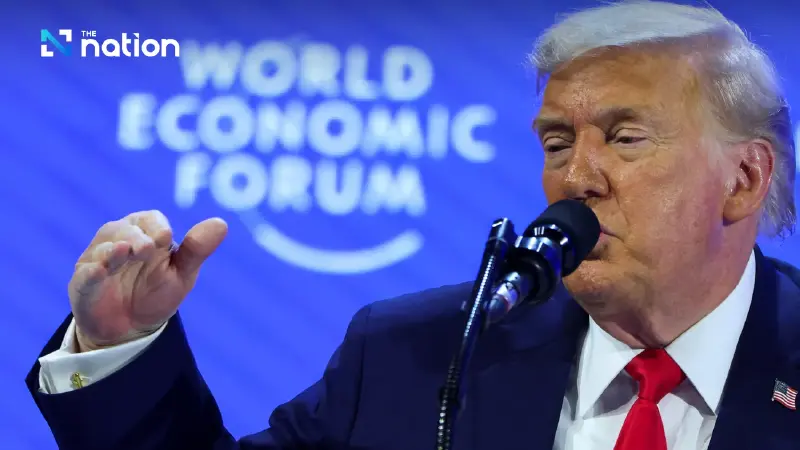


US President shifts strategy from trade warfare to defence cooperation, pausing planned European tariffs in favour of a strategic military presence in the Arctic.
- President Trump claims to have secured "total and permanent" US access to Greenland through a new framework deal being negotiated with NATO, de-escalating a crisis he initiated with tariff threats.
- The proposed agreement would expand the U.S. military presence with a missile defense system and block Russian and Chinese investment in Greenland's vast mineral reserves.
- Despite Trump's claim, Danish and Greenlandic officials have pushed back, stating that Greenland’s sovereignty is a "red line" and is not up for discussion.
A geopolitical crisis over the future of Greenland appeared to shift toward a fragile de-escalation on Thursday (January 22).
President Donald Trump announced he has secured "total and permanent" US access to the strategic Arctic territory, while simultaneously backing away from aggressive tariff threats that had pushed transatlantic relations to a breaking point.
Speaking from the World Economic Forum in Davos and later aboard Air Force One, the President signalled a major U-turn.
After previously threatening to hit eight European nations with massive trade penalties to pressure Denmark over Greenland, Trump confirmed a framework deal is now being negotiated with NATO leadership.
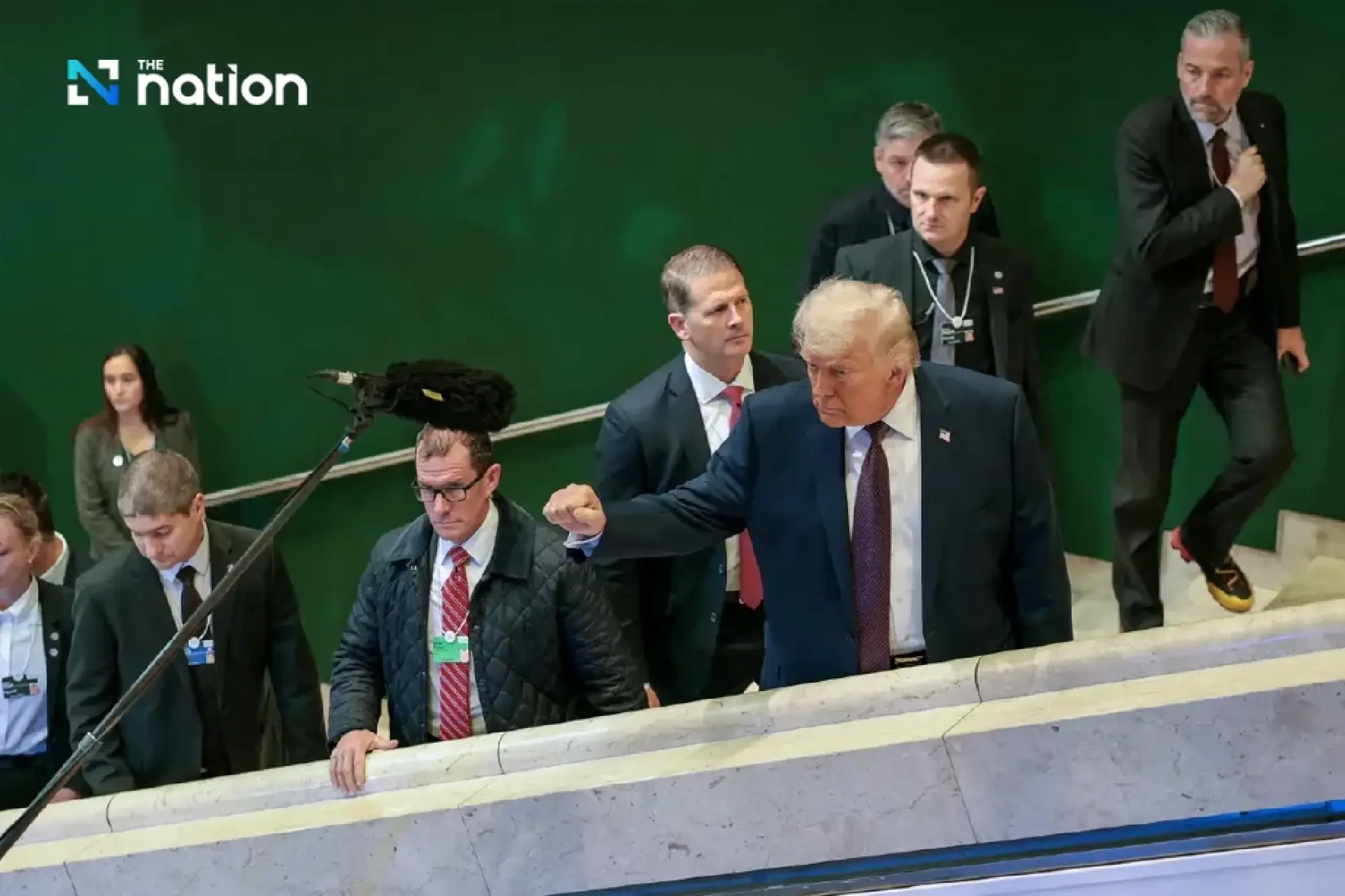

The "Golden Dome" and Mineral Rights
The emerging agreement seeks to modernise a 1951 defence treaty. According to sources familiar with the discussions, the framework focuses on three pillars:
- Military Dominance: The US aims to install a "Golden Dome" missile defence system and expand its footprint beyond the existing Pituffik Space Base.
- Resource Exclusion: The deal would effectively block Russian and Chinese investment in Greenland’s vast, untapped mineral reserves.
- NATO Reinforcement: NATO Secretary General Mark Rutte indicated that allies are prepared to "step up" Arctic security, with a formal plan potentially ready by the July summit in Ankara.
"We have to have the ability to do exactly what we want to do," Trump told reporters, describing the new arrangement as "much more generous to the United States."
Retaliation Warnings Persist
Despite the thaw, the President maintained a characteristically blunt warning for European allies.
Addressing rumours that European nations might dump trillions in US assets, such as Treasury bonds and stocks, to counter his earlier trade bullying, Trump promised "big retaliation."
"If they do, they do... but there would be a big retaliation on our part," Trump told Fox Business. "We have all the cards."
While US Treasury Secretary Scott Bessent dismissed recent divestments by Danish pension funds as "irrelevant," the "Sell America" sentiment has rattled markets.
However, the President’s decision to pause new tariffs has already sparked a rebound on Wall Street and in European markets.
Sovereignty remaining Red Line
While the White House celebrates "total access," officials in Denmark and Greenland remain cautious. Danish Prime Minister Mette Frederiksen clarified that while progress has been made on common security, Greenland’s sovereignty is "not up for discussion."
In Nuuk, Greenlandic Prime Minister Jens-Frederik Nielsen welcomed the de-escalation but drew a firm boundary. "Sovereignty is a red line," Nielsen said, noting he remains "in the dark" regarding the specific details of the deal Trump claims to have brokered.
A Bruised Alliance
The diplomatic whiplash has left European leaders wary.
EU foreign policy chief Kaja Kallas remarked that relations have "taken a big blow," suggesting that the internal friction only serves the interests of global adversaries.
While the immediate threat of a trade war has receded, diplomats in Brussels suggest the "Greenland episode" has permanently altered how the bloc views Washington.
For now, the focus shifts to 2026, the target year for implementing the new Arctic security framework.
Reuters
Bloomberg
