
Oil steadies after Trump says US will insure Persian Gulf tankers
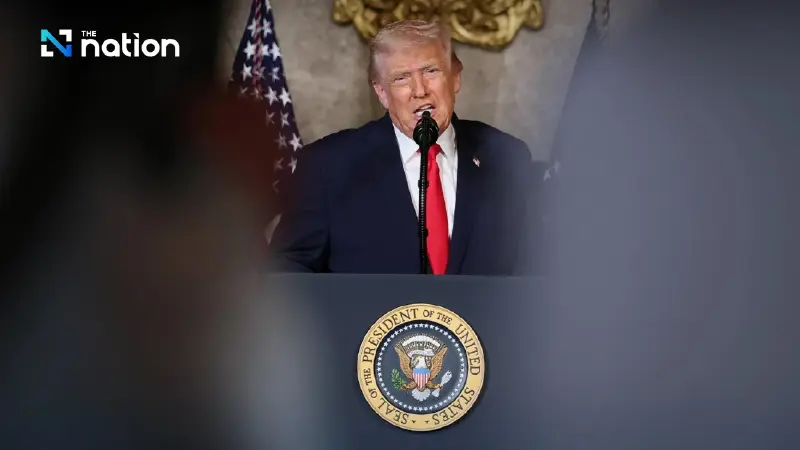


Crude pared earlier gains in late trading after the US president said Washington would offer insurance and, if needed, naval escorts, to help keep tanker traffic moving through the Strait of Hormuz.
CNBC/Bloomberg reported that crude prices steadied in late Tuesday (March 3) trading after President Donald Trump said the US would provide insurance for oil tankers in the Persian Gulf, allowing maritime traffic to keep moving through the Strait of Hormuz.
US crude (WTI) rose 4.68%, or US$3.33, to close at US$74.56 a barrel.
Brent, the global benchmark, gained 4.71%, or US$3.66, to settle at US$81.40.
Prices had jumped more than 9% earlier in the day on concerns that an expanding war in the Middle East could lead to prolonged disruptions to regional oil and gas supplies.
However, prices pared gains significantly in the late afternoon after Trump sought to reassure shipowners that they could sail safely through the Strait of Hormuz.
US crude was up more than 2%, and Brent rose 3% after the president’s announcement.

Trump said the US International Development Finance Corporation (DFC) would provide “political risk insurance and guarantees” at a reasonable cost to ensure the financial security of all maritime trade through the Persian Gulf.
“If necessary, the US Navy will begin escorting oil tankers through the Strait of Hormuz as soon as possible,” the president posted on social media.
Tanker traffic through the strait has been disrupted, as shipowners took precautionary steps amid worries they could become targets of Iranian retaliation.
The Strait is the world’s most important strategic chokepoint for oil. About 20% of global crude consumption is shipped through the waterway, largely to customers in China, India, Japan and South Korea.
Wall Street commodity strategists warned that oil could surge above US$100 a barrel if the strait remains closed for an extended period.
Trump said on Tuesday that the war with Iran could push “oil prices up slightly for a period of time”, but he expected prices to fall once the conflict ends.

Price update on Wednesday (March 4, 2026)
Bloomberg reported that April-delivery WTI rose 1.1% to US$75.41 a barrel at 7.51 am Singapore time.
May-delivery Brent closed 4.7% higher at US$81.40 a barrel on Tuesday.
Oil prices extended gains as fresh attacks erupted in the Middle East and traders weighed the US plan to insure and escort tankers passing through the Strait of Hormuz.
West Texas Intermediate (WTI) jumped above US$75 a barrel after rising 11% over two days, the biggest increase in four years.
Brent settled near US$81.
President Donald Trump said on Tuesday that the US International Development Finance Corporation (DFC) would offer insurance to ships to help ensure the flow of energy and other trade, with naval escorts “if necessary”.
The US move followed signs of growing disruption for regional producers from the closure of the waterway.
Iraq, OPEC’s second-largest producer, began shutting down the Rumaila oilfield, the country’s largest, as well as the West Qurna 2 project, according to people familiar with the matter.
Once the shutdown is complete, it will affect most of the country’s output.
Global oil markets have been thrown into turmoil by the war between the US, Israel, and Iran, with attacks and counterattacks across the Middle East.
The conflict has disrupted trade, pushed producers to lock in output, and forced shutdowns of refineries and major gas-export plants.
Surging prices for crude, gas and petroleum products have fuelled concerns about a global energy crisis.
Fighting continued into Wednesday, the fifth day of the conflict.
The Israel Defence Forces said it had launched a “major wave of strikes” targeting missile launch bases, air-defence systems and Iranian infrastructure.
The Strait of Hormuz is a narrow waterway linking the Persian Gulf to the Indian Ocean, with Iran to the north.
The route is vital to global energy trade, carrying about one-fifth of the world’s oil and gas.
Since the war began on Saturday, tankers have been avoiding the strategic chokepoint amid rising risks, including Tehran’s threats to vessels.
“Whatever happens, the United States will guarantee the free flow of energy to the world,” the US president posted on social media, without detailing the insurance mechanism.
DFC generally exists to mobilise private-sector funding for developing countries and to de-risk investment.
“This is just talk right now, so we need to see how it actually plays out,” said Rebecca Babin, a senior energy trader at CIBC Private Wealth Group, on Bloomberg Television.
“What will a military escort look like? How expensive will insurance be, and will shippers feel comfortable with what they’re getting?”
After Trump’s comments on the insurance-and-escort plan, Tehran again warned ships in the area that the Strait of Hormuz is in a state of war, and vessels passing through “may be at risk from missiles or drones that violate the rules,” the Islamic Revolutionary Guard Corps said in a statement cited by Fars, a state-backed news agency.
Iran has struck more than 10 tankers with multiple types of missiles after they ignored Iran’s warnings.
Outside the Middle East, an industry report showed US crude inventories rose by 5.7 million barrels last week.
Official inventory data, after a near-16-million-barrel rise the week before, is due on Wednesday.
