
US LNG gains ground over Qatar amid Iran war disruption
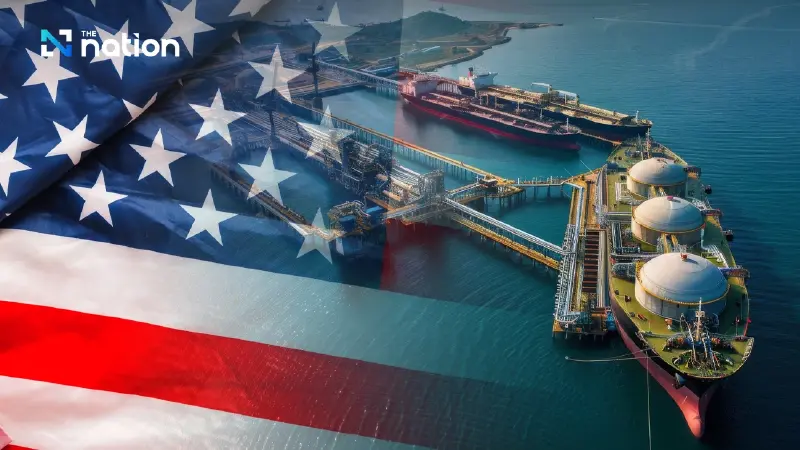


Nikkei Asia reported that the closure of the largest LNG export terminal in the Persian Gulf amid the war with Iran has not only sent gas prices soaring, but has also opened the way for the United States, with its lower-priced gas, to emerge as a beneficiary and step up efforts to capture market share in Asia.
Two LNG tankers in the Atlantic Ocean carrying gas from the United States, according to data from analytics firm Kpler, were originally bound for Europe.
They have since changed course to round Africa’s Cape of Good Hope and are now believed to be heading to Asia instead.
The surge in prices has been driven mainly by the disruption to gas exports from a key export terminal in Qatar after it was attacked by Iran.
That export hub accounts for about 20% of global LNG exports, and around 80% of that gas is shipped to Asia.
According to Kpler analysis, buyers in Asia are now facing a severe gas shortage and are therefore trying to pull LNG from the Atlantic basin and from United States export terminals as aggressively as possible, creating competition with European buyers seeking gas from the same source.
This situation could benefit US gas exporters, with the United States having been the world’s largest LNG exporter since 2023.
Normally, LNG prices are often linked to crude oil prices.
But US LNG is priced mainly against Henry Hub gas, meaning that when oil prices rise sharply, LNG from the United States is around 20–30% cheaper.
If the Middle East war drags on and the damage to Qatar’s infrastructure worsens, energy companies worldwide may increasingly turn to LNG imports from the United States because of the lower geopolitical risk.
That, in turn, could help spur investment in new US LNG projects in the future.
