
US to back Gulf shipping losses up to $20bn
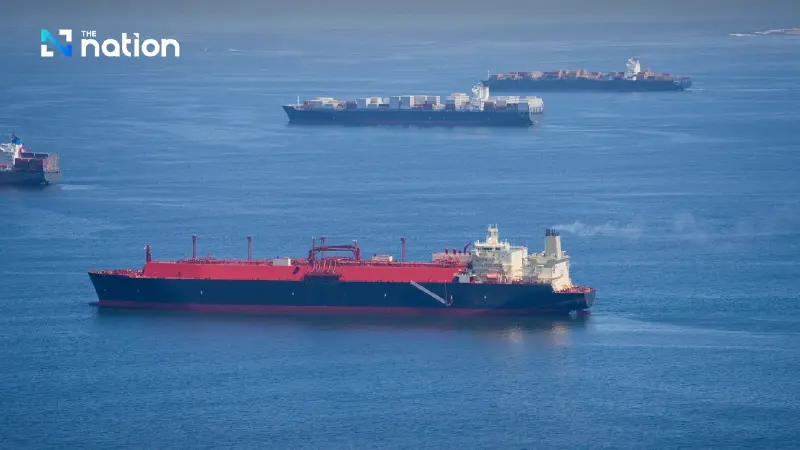


The US will reinsure Gulf maritime losses up to $20 billion as war-risk insurance retreats and oil and LNG shipping through Hormuz stalls
The United States will provide reinsurance for maritime losses in the Gulf region of up to about $20 billion, in a move designed to reassure oil and gas shippers during the war with Iran, the US International Development Finance Corporation said on Friday.
President Donald Trump on Tuesday ordered the agency to provide political risk insurance and financial guarantees for maritime trade in the Gulf after oil and liquefied natural gas tanker transit through the Strait of Hormuz had effectively ground to a halt. The waterway, off Iran, normally carries about 20% of the world’s daily oil flows.

Trump also said the US Navy could escort ships in the Gulf. However, the feasibility of such escorts remains uncertain, given that some US naval assets are already involved in strikes against Iran and in intercepting Iranian missiles. Naval escorts could also face heightened operational risks.
US Treasury Secretary Scott Bessent told Fox Business Network that the insurance plan, together with possible naval escorts, should help restore shipping activity in the region quickly. He said the issue could be resolved within one to two weeks, although no firm timetable was given.
A shipping expert cautioned, however, that the measure may not be enough to fully reassure the energy shipping industry if the conflict worsens further.
Noam Raydan, a senior fellow at the Washington Institute for Near East Policy, said the maritime and energy sectors would remain likely channels for Iranian retaliation if the war escalated.
She also warned that any renewed attacks by the Iran-backed Houthis on vessels in the Red Sea could further undermine confidence. In that scenario, two critical chokepoints for global trade would be exposed to military threats at the same time.
Oil shipments through the Strait of Hormuz have been largely obstructed, with some tankers damaged by strikes and others left stranded. At the same time, war-risk premiums have jumped and some insurance providers have reduced or withdrawn coverage altogether.
According to the DFC, the US insurance backstop will be provided on a rolling basis and will initially focus on cover for hull and machinery as well as cargo. The agency said it would work with preferred American insurance partners, although it did not name them.
The US Treasury Department and the DFC are coordinating with US Central Command on the next steps of the plan.
