
IEA approves record 400 million-barrel oil release after Iran war disrupts supply
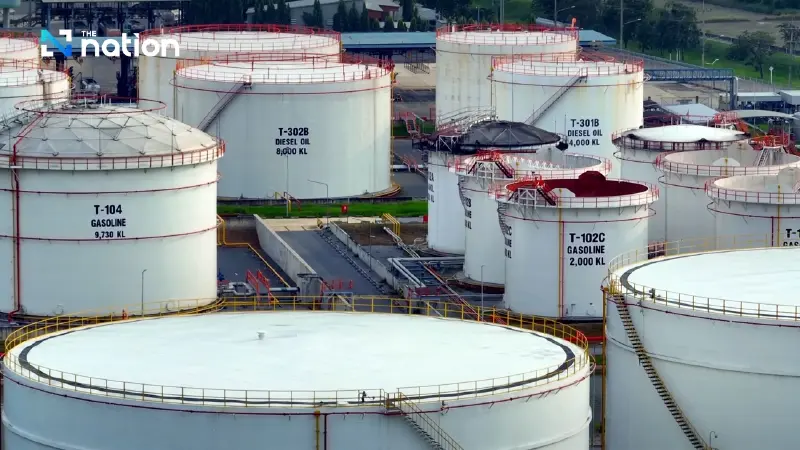


The International Energy Agency said on Wednesday (March 11) that its member countries had unanimously approved the release of 400 million barrels of oil in response to supply shocks caused by the Iran war, marking the largest emergency stock release in the organisation’s history.
Announcing the decision from the agency’s headquarters in Paris, IEA Executive Director Fatih Birol said the conflict in the Middle East was severely affecting global oil and gas markets, with broad consequences for energy security, affordability and the wider world economy.
Birol said the move was intended to ease the immediate effects of the disruption.
Even so, he stressed that stable oil and gas flows could not fully return unless tanker traffic resumed through the Strait of Hormuz.
The narrow waterway off Iran’s coast links the Persian Gulf with the Gulf of Oman and normally carries about 20% of global oil and gas supplies. Shipping through the Strait has effectively halted as companies fear Iranian attacks.
The IEA did not give a specific timetable for when the additional oil would reach the market.
Instead, it said the reserves would be released according to conditions facing each of its 32 member states.

According to Birol, IEA members currently hold more than 1.2 billion barrels in public emergency reserves, in addition to another 600 million barrels of industry stocks held under government obligations.
Earlier on Wednesday, Japanese Prime Minister Sanae Takaichi said Japan planned to begin drawing oil from its national reserves as early as next week, citing the country’s exceptionally high dependence on the Middle East.
The IEA, whose membership is made up mainly of advanced economies in Europe, North America and north-east Asia, was created in 1974 after Arab oil producers imposed an embargo over US support for Israel during the 1973 Arab-Israeli war.
Its mandate is to safeguard global energy security.
Analyses by Rapidan Energy Group and Wood Mackenzie described the closure of the Strait of Hormuz as the largest oil supply disruption ever recorded.
Analysts had already warned that even the IEA’s maximum drawdown capacity would probably be insufficient to fully replace the nearly 20 million barrels per day that usually pass through the strait.
Birol also warned of worsening conditions across the region’s energy system.
He said producers in the Middle East were cutting output, refinery operations had been disrupted, and supplies of diesel and jet fuel in particular were under pressure.
He added that attacks were continuing to damage energy and related infrastructure.
The IEA chief said global supplies of liquefied natural gas had also fallen by 20%, forcing wealthier Asian economies to compete more aggressively with Europe for available cargoes.
LNG is natural gas cooled into liquid form for export by tanker, and is widely used for electricity generation and home heating.
Oil prices have swung sharply since the Iran war began on February 28.
Brent crude, the global benchmark, climbed to almost US$120 a barrel at the start of this week before retreating to about US$90.
CNBC
