
Middle East war escalates as Iran threatens Gulf oil route
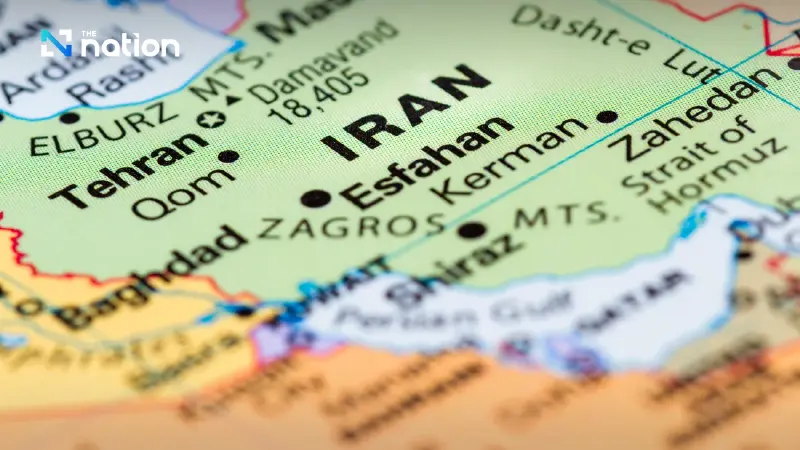


Iran has threatened to choke off Gulf oil exports via the Strait of Hormuz as conflict with the US and Israel deepens and crude prices swing sharply
The crisis in the Middle East reached a new boiling point on March 11 as Iran threatened to shut down oil exports through the Persian Gulf and the Strait of Hormuz in retaliation for a major wave of US and Israeli air strikes. Reuters reported that the conflict had effectively halted the movement of roughly one-fifth of the world’s oil and liquefied natural gas through the strategic waterway, underscoring the scale of the threat to global energy markets.
Iran’s Islamic Revolutionary Guard Corps (IRGC) said it was prepared to take the toughest possible measures, warning that it would not allow oil to pass through the Gulf and the Strait of Hormuz for the benefit of the United States, Israel or their allies. The warning came as Tehran stepped up its rhetoric and military pressure following the latest strikes.

An IRGC spokesman said Iran would not allow even a litre of oil to reach the United States or allied countries if Washington and Israel continued their military operations. The threat reinforced fears that Tehran could try to weaponise one of the world’s most important energy chokepoints.
In response to the attacks, Iran fired missiles and drones at several US-linked military positions in the region, including Al Udeid in Qatar and Al Harir air base in Iraq’s Kurdistan region. Separate reports also described attacks involving Al Dhafra air base in the United Arab Emirates and Bahrain.
Iranian and international media also reported fresh missile fire towards central Israel, setting off air-raid sirens and prompting residents to rush into shelters as air-defence systems attempted interceptions. Reuters photographs published on March 10 showed civilians running for cover in Tel Aviv during Iranian missile attacks.
US President Donald Trump said on Truth Social that Iranian mine-laying vessels had been destroyed, while US Central Command later said 16 Iranian mine-laying vessels had been hit. The White House also warned that any attempt by Iran to obstruct energy shipments through the Strait of Hormuz would bring a severe response, and US officials said options were being studied to protect commercial shipping.
The latest escalation shook energy markets. Reuters and other major outlets reported that Brent crude had surged to nearly $120 a barrel before retreating, while later trading was around the low $90s as investors balanced immediate supply fears against hopes that the conflict might yet be brought under control.
Israeli military sources cited in international coverage said Israel wanted to inflict as much damage as possible on Iran before any possible political decision to halt the war. At the same time, market participants continued to watch for signs that Trump might choose to de-escalate before the conflict causes deeper harm to the global economy. This is an interpretation drawn from reported military and market signals, rather than a formal policy announcement.
The war, which has been raging since February 28, has already had a devastating civilian impact. Iranian officials and widely cited reports have put the death toll at more than 1,200 to 1,300 people, while large-scale destruction to homes and infrastructure has been reported and there is still no clear sign of imminent negotiations.
