
Thailand’s ocean clean-up becomes a high-tech blueprint for the Gulf
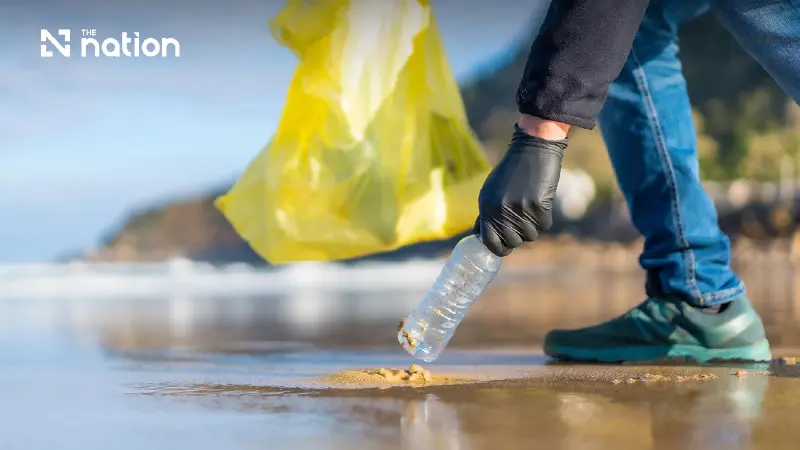


Thailand is pairing AI, river Interceptors, satellite-style monitoring and ranger protection to tackle plastic waste before it reaches the Gulf.
The Gulf of Thailand has always sold itself through colour: turquoise water, coral gardens, fishing boats and island horizons. Now Thailand is adding another colour to the seascape — the clean, clever green of technology.
The challenge is real. Research on marine debris in the Gulf of Thailand cites estimates of at least 500 kilotonnes of ocean-plastic inputs annually, while identifying abandoned, lost and discarded fishing gear as a critical threat to marine ecosystems and wildlife. Yet Thailand’s response is no longer limited to beach clean-ups after the damage is done. Increasingly, the country is moving upstream, where plastic can be intercepted before it becomes ocean waste.

That shift is most visible on the Chao Phraya River. Chulalongkorn University has joined forces with The Ocean Cleanup and Thailand’s Department of Marine and Coastal Resources to use AI-powered cameras and solar-powered Interceptors to monitor and remove plastic waste from one of the country’s most important waterways.
The system has the elegance of a smart-city dashboard. Cameras under King Pinklao, Arun Amarin and Bhumibol bridges capture river images every 15 minutes, allowing researchers to track the amount, type and movement of waste around the clock. The Ocean Cleanup’s AI then helps process the images, while the solar-powered Interceptor can collect up to six to seven tonnes of rubbish every few days, depending on conditions.

Bangkok is therefore becoming a living laboratory for “source-to-sea” conservation. The Ocean Cleanup says the Chao Phraya is the busiest and widest river it has attempted to clean, making the Thai project a valuable test bed for future city-scale river interception around the world.
The intelligence layer is widening too. Globally, The Ocean Cleanup is using AI-enhanced cameras, drones, remote sensing and satellite imagery to map plastic hotspots and support clean-up decisions, a model that fits neatly with Thailand’s ambition to turn environmental protection into data-driven infrastructure.
But technology is only half the story. In the water, the hardest work still falls to people: divers, park rangers, local fishermen and conservation volunteers removing dangerous ghost nets from reefs. Reuters has reported that Thai groups have engaged about 500 fishermen and collected around 130 tonnes of used fishing gear for recycling, while abandoned gear remains a growing threat to marine life.

This is where marine conservationist Siranudh "Psi" Scott’s Cheeva Samutr Foundation, or Sea You Strong, adds a human safety net. Its Guardian T-shirt Project raises funds for life, medical and critical illness insurance for more than 400 park staff across five protected areas, including rangers who dive to remove abandoned fishing nets.
Together, these efforts show Thailand at its best: inventive, practical and compassionate. From AI eyes on bridges to protected hands beneath the waves, the kingdom is turning marine conservation into an eco-masterclass for the region.
