
Bangkok Airways gives Thailand’s boutique skies a greener glow
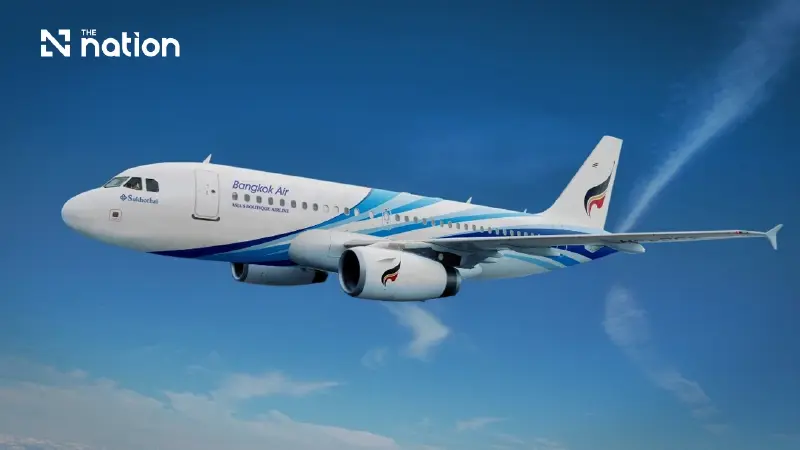


Bangkok Airways is blending open-air airport design, SAF trials, circular uniforms and greener catering to show how Thai hospitality can fly lower-carbon.
At Koh Samui, the holiday begins before the aircraft door has fully opened. Instead of funnelling travellers into a sealed glass-and-steel box, Bangkok Airways’ island gateway welcomes them with tropical gardens, thatched roofs and an open-air rhythm that feels closer to a resort than a terminal.
That design is now becoming part of a bigger sustainability story. Under its “Low Carbon Skies by Bangkok Airways” initiative, the airline is positioning Thai boutique aviation as a softer, smarter model of regional travel — one where comfort, place and climate responsibility can sit in the same departure lounge.
The airline launched Low Carbon Skies in partnership with PTT Oil and Retail Business, piloting the use of sustainable aviation fuel on the Samui-Bangkok route and linking the campaign to the global aviation industry’s net-zero 2050 ambition. Bangkok Airways said its efficient fuel-use measures reduced CO2 emissions by 11,321 tonnes in 2023, while SAF pilot flights cut emissions by about 1,346 kilogrammes per flight.
Its airport strategy is equally important. Bangkok Airways says its Green Airport approach covers Samui, Sukhothai and Trat, with Samui serving as a model through natural materials, translucent buildings, more green space, EV charging ports, low-burning refrigerants, LED lighting and water recycling for landscaping. Samui Airport’s open-air, resort-style design has also been highlighted by the airline as a signature feature that blends with the island’s natural setting.

For Thailand, this matters because tourism is not just about arrivals; it is about how arrivals feel. Bangkok Airways is showing that low-impact infrastructure can still be indulgent, photogenic and unmistakably Thai.
The same thinking is moving into the cabin and behind the scenes. The airline’s sustainability framework includes a long-term goal of net-zero carbon emissions by 2050 and zero waste to landfill by 2050. In 2025, it sent more than 448,000 label-free drinking-water bottles for conversion into recycled plastic fibre, while unused uniforms and bottles were upcycled into blankets for students and communities. A related upcycling push has turned PET bottles from flights and lounges into staff polo shirts and lanyards.
Catering is also taking a gentler turn, with Bangkok Air Catering highlighting local produce, organic ingredients and dishes from its associated farm in Sukhothai. Meanwhile, Sukhothai Airport’s “Excellent” EIA Monitoring Award in 2025 reinforces the idea that regional airports can be both gateways and guardians of place.
The message from Thailand’s boutique skies is clear: sustainable aviation does not have to feel sterile. Done well, it can feel like a breeze.

