
GSK cuts prices, seeks to shed 'big pharma' tag


Play
Global pharmaceutical giant GlaxoSmithKline sent shock waves through the industry when it cut the prices of some of its medicines in the Thai market by as much as 50 per cent last year, despite the fact that some of its drugs commanded a 70-per-cent marke
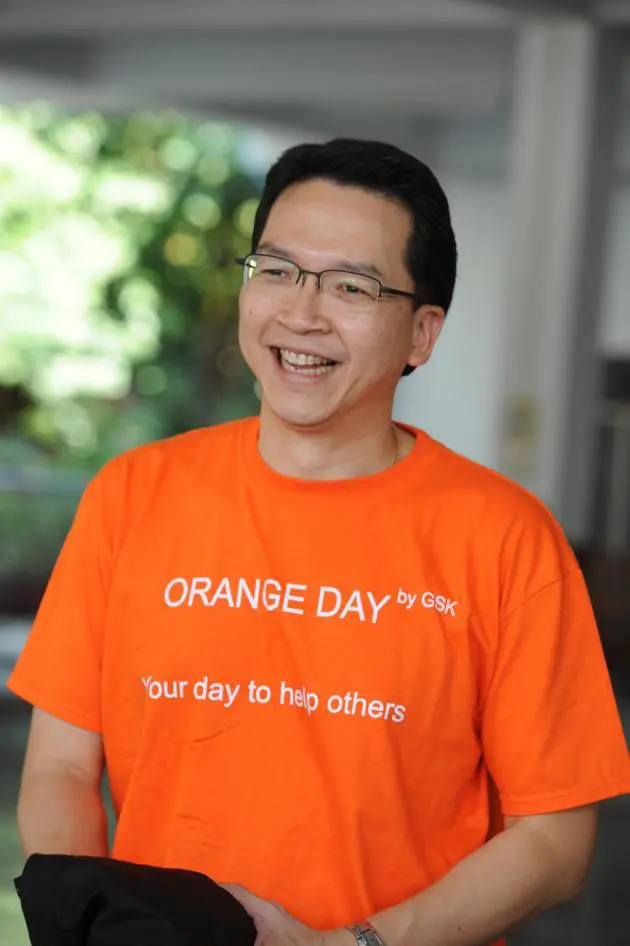
GlaxoSmithKline (Thailand) general manager Viriya Chongphaisal said the significant price cuts undertaken by the firm – which have resulted in losses on some products – came as part of GSK’s Access to Medicines initiative, the goal of which is to bring drug prices more in line with gross national incomes. The drugs whose prices have been reduced include respiratory and allergy therapeutics and anti-infective drugs.
“Some of the drugs [whose prices we cut] were No 1 in the market with a 70-per-cent share. People asked if we were crazy. The values shrank enormously,” said the 43-year-old GSK (Thailand) chief executive.
Because of the Thai Food and Drug Administration’s regulations, GSK cannot make public the specific details of its price reductions. Nonetheless, Viriya said that nearly all of its medicines and vaccines offered in Thailand, which total 200 SKUs (stock keeping units) met the firm’s GNI-based pricing policy in accordance with the Access to Medicines initiative.
“We are the first and only pharmaceutical company that has implemented this flexible pricing policy. Other firms will have either a regional floor price or a global pricing policy,” he said.
Pricing of the new drugs launched during the last one to two years, which include some cancer drugs and vaccines, have been set low from the outset, Viriya said.
The GSK chief said the firm’s drug price cuts had won much praise from many respected physicians as well as its staff, who “bought” the initiative, even though they have to work harder.
“Our challenge remains how to [spread the benefits of the initiative]. Unlike in developed countries, where medicine procurements are centralised, drug price reductions don’t automatically translate into access to medicines in Thailand,” explained Viriya.
Drug procurements and supplies in Thailand are regulated by both the National List of Essential Medicines and the lists compiled by each hospital or medical centre. To gain access, pharmaceutical companies have to convince both the national authorities and individual hospitals to adjust the lists to include their products.
Pricing policy is one of four pillars of the Access to Medicines initiative, which also includes:
_ Supporting research and development of medicines that are most needed for each particular developing country. Viriya said GSK, which has annual revenue of more than Bt4 billion in Thailand (excluding its consumer healthcare division, which is run separately), spends more than Bt200 million a year to support clinical trials of medicines and vaccines for tropical diseases including malaria and tuberculosis, which are usually shunned by other drug companies.
_ Participating in innovative partnerships with all parties involved in increasing efficient access to medicines. Viriya said GSK Medicine Bank and the GSK Nursing Excellence Programme are among the key drivers in this effort.
_ Creating shared social values through appropriate community programmes. Viriya cited the firm’s Mobile Healthcare Consulting Unit programme, in which a team of GSK doctors, pharmacists and volunteers offer healthcare consulting to communities in many parts of the country.
The Access to Medicines Foundation comes out with an Access to Medicines Index once every two years based on seven criteria: management, influence, R&D, pricing, patenting, capability and philanthropy. GSK has topped the list twice: in 2008 and 2010. In Thailand, the company bagged the CSR Excellence Recognition Award from the American Chamber of Commerce for two years in a row – 2010 and 2011 – and won the Thai Chamber of Commerce Business Ethics Standard Test Award last year.
Viriya said GSK’s Access to Medicines initiative was one of the things that drew him to the company, as he wants to see the industry shed the “Big Pharma” image of large “profiteering” corporations. Before joining GSK as its first Thai chief executive in 2010, Viriya started his career at Dentsu Advertising, then moved to Warner Lambert Thailand. He was appointed marketing manager of Warner Lambert China in 1999. He came back home to become sales and marketing director, taking care of the Nutrition division at Wyeth Thailand in 2001, and was appointed managing director for Thailand and Indochina in 2005. Prior to his current position at GSK, Viriya was the general manager at Pfizer Nutrition from 2009 to 2010.
