
UAE ties with Asia-Pacific on the rise
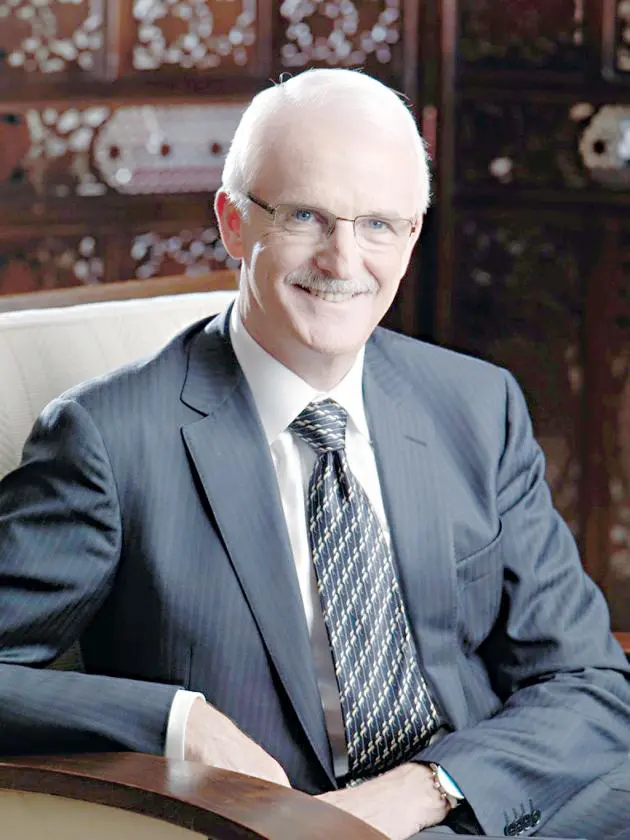


Gerald Lawless, executive chairman of Jumeirah Group, a Dubai-based chain of luxury hotels, is also co-chairman of the World Economic Forum on East Asia. He tells The Nation that this region is a growth area for his business, while more travellers from Ea
What is your investment strategy in the Asia-Pacific and Thailand?
The Asia region in general is a significant growth area for the Group; in addition to Jumeirah Himalayas Hotel Shanghai, Jumeirah Devanafushi and Jumeirah Vittaveli in the Maldives which all opened in 2011, and the five other management agreements Jumeirah has signed in China, the company has also signed a management agreement for a hotel in Bangkok and a resort in Bali, with a strong development pipeline for further opportunities in this region.
Do you see more Middle East travellers to East Asia/vice versa?
Absolutely, especially from China. The Chinese authorities gave the United Arab Emirates (UAE) the Approved Destination Status on 15 September 2009, relaxing visa restrictions and allowing Chinese travel agencies to send tours groups to the UAE. Since then we have seen a steady increase in the number of Chinese travellers coming to our hotels and resorts in Dubai, especially to our landmark hotel, Burj Al Arab, the world’s most luxurious hotel. At the moment, we employ over 300 Chinese colleagues in Dubai.
And at our first hotel in Asia Pacific, Jumeirah Himalayas Hotel which is located in the Pudong area of Shanghai, the majority of the guests are from China.
Jumeirah has identified Asia as one of the key growth areas for Jumeirah Hotels & Resorts, both to extend our portfolio of luxury hotels but also as a source market. We now have a regional office in Singapore and sales offices in Shanghai, Beijing, Tokyo, Taipei, Hong Kong, Mumbai, New Delhi and in Australia.
How do you see connection between ME and Asia Pacific and what Jumeirah is going in the connectivity?
We see our entry into Asia as a tremendous opportunity. Having firmly established Jumeirah as a luxury brand worldwide, we enjoy great interest from hotel owners and investors and are contacted frequently to ask if we are interested in operating hotels and resorts on their behalf.
(any other added points /comments welcome)
Emirates Airline and the Dubai Department of Tourism of Commerce Marketing (DTCM) also contribute greatly to improve the connection between Dubai and the rest of the world. Every time Emirates opens a new route, we see an increase in the numbers of visitors coming from that country and they are very curious about the emirate and our brand. In June 2012, Emirates is launching direct flights between Dubai and Ho Chi Minh City and we expect an increase in the number of Vietnamese tourists coming to Dubai, whereas more people from the United Arab Emirates and the Middle East will also have a chance to discover Vietnam as a destination.
Emirates Airline also happens to connects Dubai to most of the cities where we manage hotels, such as London, New York, Shanghai, Frankfurt, Istanbul, Rome, the Maldives and Mallorca (through Barcelona). In addition Etihad Airways, with its expanding network of routes around the globe, provides great connectivity into Abu Dhabi, where we opened a luxury hotel – Jumeirah at Etihad Towers – last year.
As for DTCM, we benefit greatly from the work it does to promote Dubai and the UAE as a destination through its network of offices around the world, including in Mumbai, Hong Kong, Tokyo, Beijing, Shanghai and Guangzhou.
