
Solvay sticks with Thailand


Play
Thailand remains a favoured investment destination and critical growth-strategy component for one of the world's largest chemical companies.
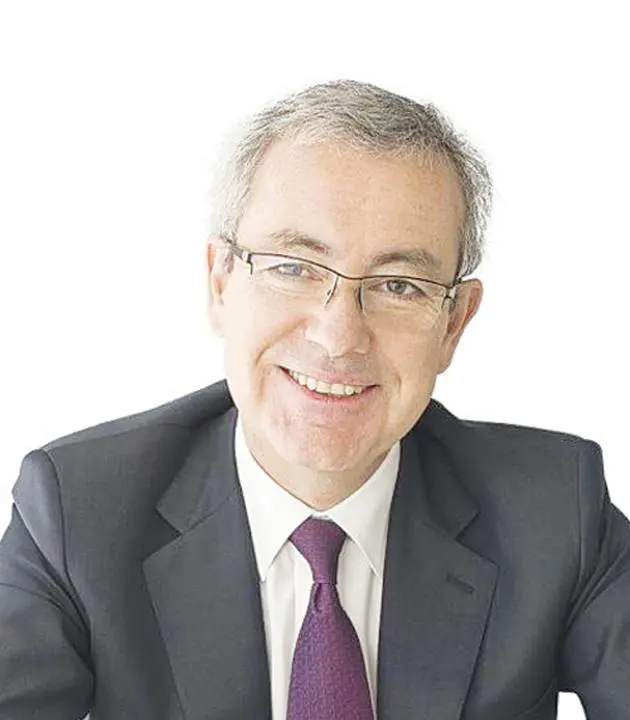
Jean-Pierre Clamadieu, Solvay SA’s CEO and chairman of the executive committee told The Nation on a recent visit to Bangkok that his company, which has global sales of Euro 12 billion (Bt 495 billion), will continue investing heavily in this country.
“During the past five years, we have invested more than Bt22 billion building chemical facilities in Thailand,” he said.
The Paris Stock Exchange-listed company that is part of the CAC 40 index is a major shareholder in Solvay Peroxythai Ltd and its affiliate Vinythai Plc.
“With Dow Chemical, we built the world’s largest peroxide plant at the Asia Industrial Estate in Rayong which began operations in 2011,” he said.
Asia’s four decades of unprecedented continuous growth, Clamadieu said has dramatically changed the capital-intensive global chemicals industry.
Solvay, which began more than 150 years ago in Belgium when its chemist founder discovered a new process for manufacturing sodium carbonate using sea salt, ammonia and carbonic acid, has expanded its operations throughout the world to meet growing demand.
The company’s chemical products are used for manufacturing consumer goods, including solutions and applications for cleaning, personal care, nutrition, health products and sports equipment.
Solvay entered Thailand in 1987 by building a PVC plant to serve the country’s post-industrialisation infrastructure development demands. Today, its operations are a core component of its Asian growth strategy.
The company’s four Thai industrial chemical plants produce 365,000 metric tons of hydrogen peroxide and other chemicals annually.
Asia, the company’s fastest growth area, is serviced from three operating bases, China and Korea for North Asia and Thailand for South Asia.
“Solvay’s global sales are now one-third each in Europe, the Americas and Asia.”
Clamadieu said the chemical industry is currently addressing two global chemical industry trends that will have major ramifications.
Asia’s unprecedented growth during the past five decades has spurred tremendous demand that will continue requiring massive investments. “Over the next several years China’s chemical producers will surpass Europe.”
The second major global industry trend is North America’s new cheap energy generated from innovative shale-oil fracking processes.
“Solvay is looking to acquire more assets there.”
Although Solvay’s Thailand chemical platform is one of the best in the world and is a key component of Solvay’s Asian strategy, Clamadieu said a possible long-term danger is high electricity costs, especially for high-volume industrial producers.
In Europe and particularly in France that is largely powered by nuclear power, he said large industrial consumers pay about Euro .04 per kwh (Bt1.66) whereas in Thailand, large general users pay about Bt3.0182 per kwh.
Clamadieu suggests that policy makers must evaluate the long-term industrial development value large chemical industries contribute to a country’s overall development and work closely with these industries to lower both power usage and costs.
High energy and feed-stock costs, he said, will make the Thai plants’ outputs less competitive and more importantly, may mean a reduction in future investment and employment.
