
ThaiSri cashing in on classic car owners' need


Play
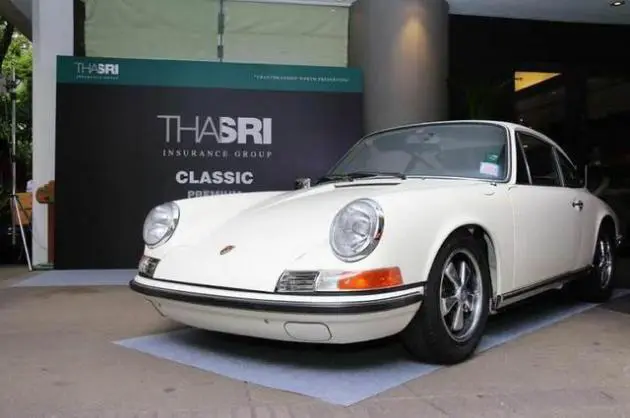
THAISRI INSURANCE has launched the country's first motor insurance with first-class coverage to protect classic premium cars, after witnessing demand from lovers of this type of vehicle, who are mostly wealthy individuals.
This type of coverage has been absent in Thailand until now, because of the relatively limited number of specialist garages and the availability and cost of spare parts when these cars have to be fixed after an accident, the listed company’s chief executive Natee Panichewa said.
Classic premium cars have sentimental value for many owners and while they want to take them out on the road, insurance is a big concern if they have an accident. Many owners will not therefore risk taking their classics out for a drive in the absence of adequate protection, he said.
ThaiSri will cover classic premium cars that are 30 to 40 years old, with first-class insurance for these models. Premiums start at Bt20,000 for an insured sum of Bt200,000.
In general, insurers will limit first-class coverage for ‘older’ vehicles to those that are seven to 10 years.
Examples of classic premium-car models covered by ThaiSri are the Porsche 911, Porsche 964, Classic Mini, BMW E30 and the classic Volkswagen ‘beetle’.
ThaiSri has coordinated with Bangkok Classic Car Club and well-known classic-car garages to boost confidence among owners that their autos will get quality repair work under their coverage, Natee said.
“We target our first 2,000 vehicles, representing gross premium of around Bt400 million, during the current quarter. We believe we have room to grow in this segment, and we will join hands with the Bangkok Classic Car Club to promote the insurance product to these customers.”
The classic premium-car market is expected to open up widely now ThaiSri has launched the insurance, he believes.
The firm previously did insurance for imported cars, like super-cars, for which it targeted gross premium of Bt100 million this year. The company’s next series of niche market motor insurance products will be for super-bikes, he said.
Motor insurance accounts for 53 per cent of the company’s premium, a level that it plans to drive to 60 per cent by expanding product lines to niche markets.
Retail clients, however, account for a small proportion of customers because ThaiSri’s main expertise is in engineering insurance, and it is one of only a few Thai players that can offer insurance coverage to government infrastructure projects, he explained. The insurer was recently awarded the contract to provide insurance for the extension of the Green Line mass-transit rail line from Mor Chit to Saphan Mai and Khu Kot in Pathum Thani province.
Natee said infrastructure projects were currently a major focus for the company, as the investment programme would be on a huge scale for the next 10 years, after which the country would not see such massive investment again for a long time.
While engineering insurance accounts for less than 10 per cent of non-motor insurance premium, the company believes the premium from this segment will gradually increase in line with the number of infrastructure projects.
In the first nine months of the year, ThaiSri earned premium of Bt1.52 billion, below its targeted level, and full-year premium growth is now expected to be flat due to the slowdown and the impact on non-life insurance of the drop in domestic car sales, the CEO said.
The company generated premium of Bt2.1 billion last year.
However, even if premium fails to grow, underwriting profit this year will be higher than last year, because the company has been able to control costs and improve its loss ratio. The current loss ratio of 48 per cent is better than the target of 49 per cent, and last year’s loss ratio of 53 per cent from underwriting, Natee added.
