
TCC refocuses on domestic market for Mae Ploy brand
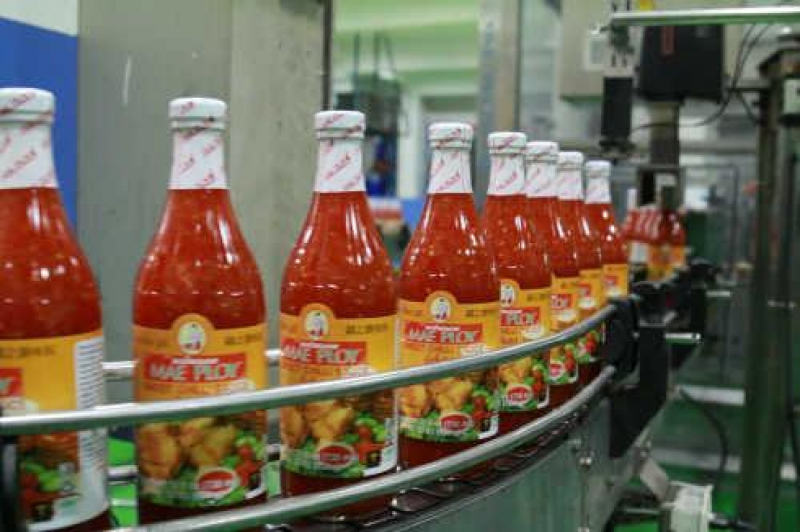


THEPPADUNGPORN Coconut (TCC) has adopted a new strategic plan for its flagship Mae Ploy-branded sauce, curry paste and Thai seasonings in a bid to refocus on potential in the domestic market.
Managing director Aphisak Theppadungporn said yesterday that TCC had developed a deep understanding of consumer behaviour and lifestyles.
“This has allowed us to come up with products that address the lifestyle needs of our customers and respond to the limitations of every market where they are launched. As a result, our products have been well received by the CLMV [Cambodia, Laos, Myanmar and Vietnam] market.
“Most orders come from traders and those who cross the border to find products, given that the advent of the Asean Economic Community makes it easier to do so,” he said.
TCC exports to 36 countries around the world, with shipments accounting for about 80 per cent of sales.
Aphisak said that when it comes to its Chaokoh-branded items, TCC is the No-1 brand among Thai consumers, with an estimated market share of 60 to 70 per cent.
“However, when looking at Mae Ploy, we have to say that this brand is much better received in foreign markets than in the domestic market. Now that Mae Ploy has been well received worldwide, we’re looking to refocus on the domestic market,” he explained.
“We look to growth of 5-10 per cent for the brands every year …If we can achieve our goal over the next three years, our sales will grow to Bt7 billion [from Bt6 billion in 2014],” the MD said.
While there is no clear-cut figure on the market share claimed by competitors, TCC’s estimate of Chaokoh’s share is based on product popularity, order levels and the number of products on the shelves as observed nationwide, he said.
However, given the current market situation, the likelihood of the global economy continuing to struggle over the next few years, and new players entering the market, it is quite a challenge to maintain a 70-per-cent share, he added.
“For our Mae Ploy brand, it turns out that overseas customers find it more difficult to find Mae Ploy products in Thailand than abroad. As a result, we have taken a careful look at our products … thinking that we should place greater focus on the domestic market to allow more Thais to experience the taste, too,” Aphisak said.
The company continues to improve the brand’s production facilities, investing to bring the production line up to a high standard – and to reach a capacity that can satisfy demand.
This year, TCC is buying more machines and improving the production line further, as well as adding environment-friendly facilities.
Apart from the Bt300-million investments in new machinery for its Chaokoh and Mae Ploy factories, the company has since the end of 2015 further modified its wastewater-treatment plants, expanded its warehouses and enhanced its boilers, as well as installing new equipment to increase the speed and efficiency of the production process, which is expected to cost about Bt100 million, he said.
These investments will allow the Chaokoh factories to achieve a production capacity of 120,000 tonnes per year, against 80,000-100,000 tonnes currently.
The focus is on the brand’s coconut milk, coconut water, and fruit and vegetable products.
Mae Ploy factories, meanwhile, will reach an aggregate production capacity of up to 20,000 tonnes per year, with a focus on sweet chili sauce for chicken, curry pastes and chili pastes.
The expansion will enable TCC to expand the market not only in Thailand, but also in high-potential markets in Europe, China, Japan and Singapore.
“We also plan to become better known as a global brand, and this year we are partnering with Liverpool Football Club, which brings us not only a better global brand image but greater access to different groups of customers with diverse lifestyles worldwide,” he added.
