
Rise seen in GDP growth
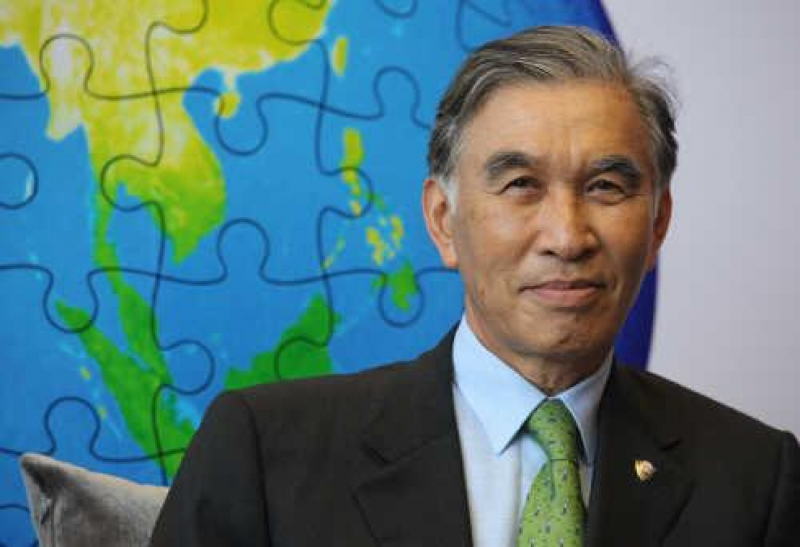


GIVEN RISING commodity prices and the government’s investment measures, the Thai Chamber of Commerce foresees stronger economic growth in the second half of the year, resulting in full-year expansion of between 3.2 and 3.5 per cent in gross domestic produ
Chairman Isara Vongkusolkit said yesterday that the Thai economy would experience stronger growth during the remainder of the year, thanks to a recovery in crop prices leading to higher domestic spending, an unchanged policy interest rate, strong growth in the tourism sector and a better outlook for exports.
During the second half, the chamber expects GDP to grow by 3.3 per cent thanks to improved consumption, alongside increased investment by both the government and private sectors.
It also predicts year-on-year export expansion of about 2.6 per cent during the period, he said. As a result, exports for the whole year should be in positive territory, with growth of around 0.8 per cent.
Inflation during the second half should also rise, to 0.9 per cent, as people spend more, the chamber forecasts. Inflation should therefore come in at 0.4 per cent for the whole year, Isara added.
Meanwhile, the Thai Industries Sentiment Index last month rose to 86.4 points from 85 in April, thanks to reduced concern over the drought, coupled with an increase in orders of education-related products in May, when the new school semester opened, Federation of Thailand Industries chairman Chen Namchaisiri said yesterday. Moreover, businesses saw that the state’s industrial-sector promotion policy was bearing fruit, although they expressed concern over rising energy prices and the pace of global economic recovery, he said.
Isara said the Thai economy was also reliant on the global economy recovering, and there were currently more positive signs in international markets, pointing to stronger Thai export shipments.
Government and private investments at home should also help drive the Kingdom’s growth, he added. With higher oil prices in the world market, crop prices have also increased, which will increase farmers’ incomes and encourage more spending in many sectors.
For example, the demand for motorcycle purchases has increased significantly during the past month, as farmers now have more disposable income.
The chamber expects global oil prices to return to a more balanced level in the second half of the year, while crop prices – mainly for rice, rubber, sugar cane and palm fruit – will continue to rise. This would boost economic growth, he said.
Three months of rise
According to the chamber’s survey, in the past three months, global oil prices rose by 10 per cent, the domestic price of paddy rice went up from Bt7,773 to Bt8,074 per tonne, rubber sheet increased from Bt39.78 to Bt54.12 per kilogram, and the price of palm fruit rose from Bt4.50 to Bt5.24 per kilo.
Purchase orders for motorcycles in May alone rose by 20 per cent year on year, the survey found.
The chamber expects the global price of crude oil to be stable at US$50-$60 per barrel in the second half of the year.
However, there are still negative factors of concern to the industrial sector and which could hit the country’s growth, Isara said.
These include the drought and a delayed rainy season, a slowdown by financial institutions in the release of business loans, the economic slowdown in China, and concern about the possibility of the European Union cutting tariff privileges on Thai fishery products.
Isara also expressed hope that the United Kingdom electorate would vote to remain in the EU, as a decision to leave the bloc would negatively affect the economies of both the EU and the UK.
In the event of British nationals voting to exit the EU in tomorrow’s referendum, there would also be greater volatility in financial markets, leading to a weakening of both the euro and sterling, he said.
However, the chamber expects a “leave” vote to have only a small impact on Thailand’s trade with the UK, as exports to the country account for less than 2 per cent of overall Thai shipments.
