
BYD Accuses Facebook Page of Smear Campaign and Threatens Legal Action
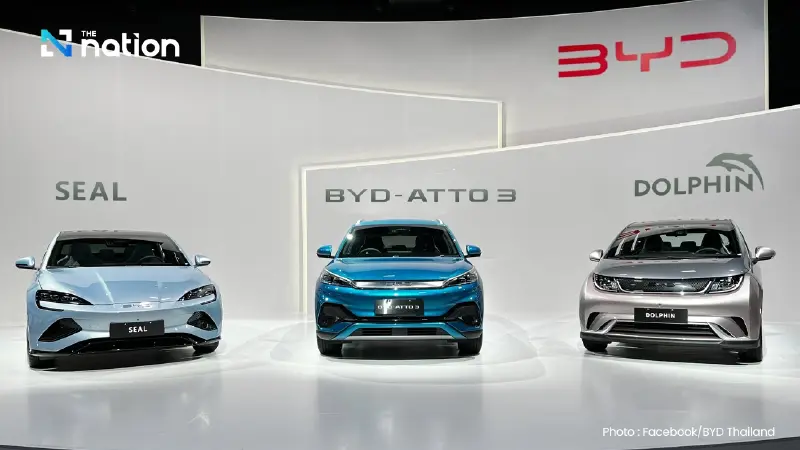


Chinese car giant refutes claims of substandard practices at its Rayong plant, insisting on high standards and worker welfare
BYD Auto (Thailand) has hit back at a popular Facebook page following a series of posts alleging poor working conditions and environmental issues at its car manufacturing facility in Rayong province.
The company has vehemently denied the claims, branding them a smear campaign based on distorted information, and is threatening to pursue legal action for defamation.
In a strongly worded statement released on Friday, BYD Thailand accused certain independent media outlets on Facebook of a systematic and planned effort to damage the company's reputation.
They asserted that the posts used harsh language, misrepresented facts, and aimed to mislead the public, causing significant harm to their image.
The company emphasised its commitment to Thailand since commencing operations in 2022, highlighting its investment, factory establishment, and collaboration with various sectors.
While acknowledging potential initial limitations, BYD stated that its Thai plant has continuously developed and now directly employs over 5,900 individuals, 85% of whom are Thai nationals, with ongoing recruitment in technical, administrative, and other areas.

BYD further detailed the extensive facilities at its 600-rai Rayong site, including sports grounds, a medical centre, a canteen, and electric vehicle charging points.
The company reiterated its openness to site visits for those interested in witnessing the factory's progress firsthand.
However, BYD made it clear that it would not tolerate the spread of false information, organisational defamation, or malicious personal attacks against its staff.
The company stated it reserves the right to take the strongest possible legal action against those responsible, in accordance with relevant laws and regulations.
The BYD Auto (Thailand) car manufacturing plant, located at the WHA Industrial Estate in Rayong, officially opened in July 2025, covering a substantial 948,000 square metres.

The facility, completed within 16 months of its groundbreaking ceremony, boasts modern production processes encompassing stamping, welding, painting, and assembly, with an initial target production capacity of 150,000 vehicles per year within the first two years of operation.
