
BYD sales slump 30% in January, extending slide to a fifth month
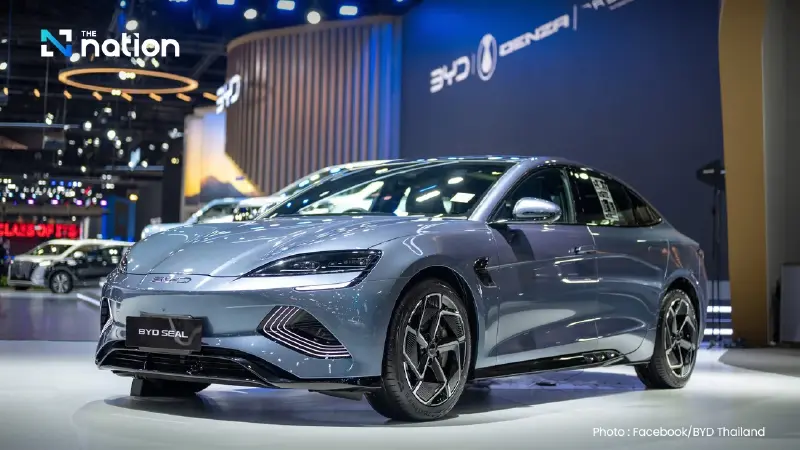


Despite becoming the world’s biggest EV seller, BYD is under growing pressure as sales and production in China keep shrinking, leaving overseas expansion as a key support for growth.
Reuters reported that BYD’s vehicle sales in January fell 30.1% year on year, marking a fifth consecutive month of decline, highlighting the uncertainty facing the Chinese EV maker amid fierce competition at home.
A stock exchange filing on Sunday showed the company sold 210,051 vehicles globally last month. The export volume of new energy vehicles (NEVs) totalled 100,482 units in January.
Production fell 29.1%, extending a downturn that began in July 2025.
At home, BYD last month launched upgraded versions of several plug-in hybrid models with longer-range batteries, aiming to boost the appeal of its more affordable hybrids. However, plug-in hybrid sales—accounting for more than half of BYD’s total—fell 28.5% in January, continuing a downward trend after dropping 7.9% in 2025.
BYD said in January it is targeting 1.3 million vehicles in overseas shipments this year—about a 24% increase from 2025—but below an earlier goal of up to 1.6 million that management had told Citi in a meeting in November.
The company did not give reasons for the downward revision.

Its new EV plant in Hungary is expected to start operating this year, adding to manufacturing capacity in Brazil and Thailand. It also has planned assembly plants in Indonesia and Turkey.
A 150.7% surge in sales abroad helped BYD unseat Tesla as the world’s top EV vendor last year, offsetting mounting pressure in its home market—particularly competition from Geely and Leapmotor in the budget segment.
BYD narrowly met its reduced global sales target of 4.6 million units last year and has not announced a 2026 target.
The world’s largest auto market is expected to face stagnation this year as the Chinese government scales back subsidies for trade-ins of lower-priced models, adding pressure for BYD and other budget-focused carmakers.
