
Finance Ministry says old-car trade-in scheme may be revised as valuation problems delay plan
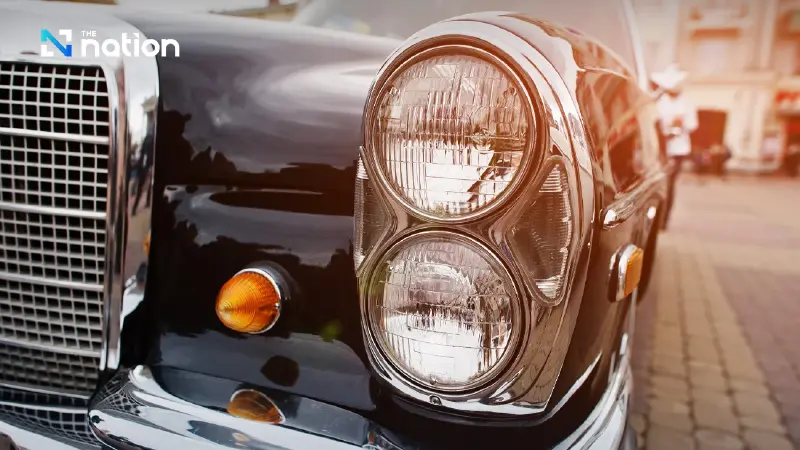


Thailand’s proposed old-car trade-in scheme may not proceed in its original form as officials struggle to settle rules on used-car valuations, vehicle scrapping and eligibility criteria.
Thailand’s proposed “old cars for new cars” scheme may not proceed in its original form, as officials are still struggling to settle key details on used-car valuations, vehicle scrapping and eligibility criteria, the Finance Ministry said.
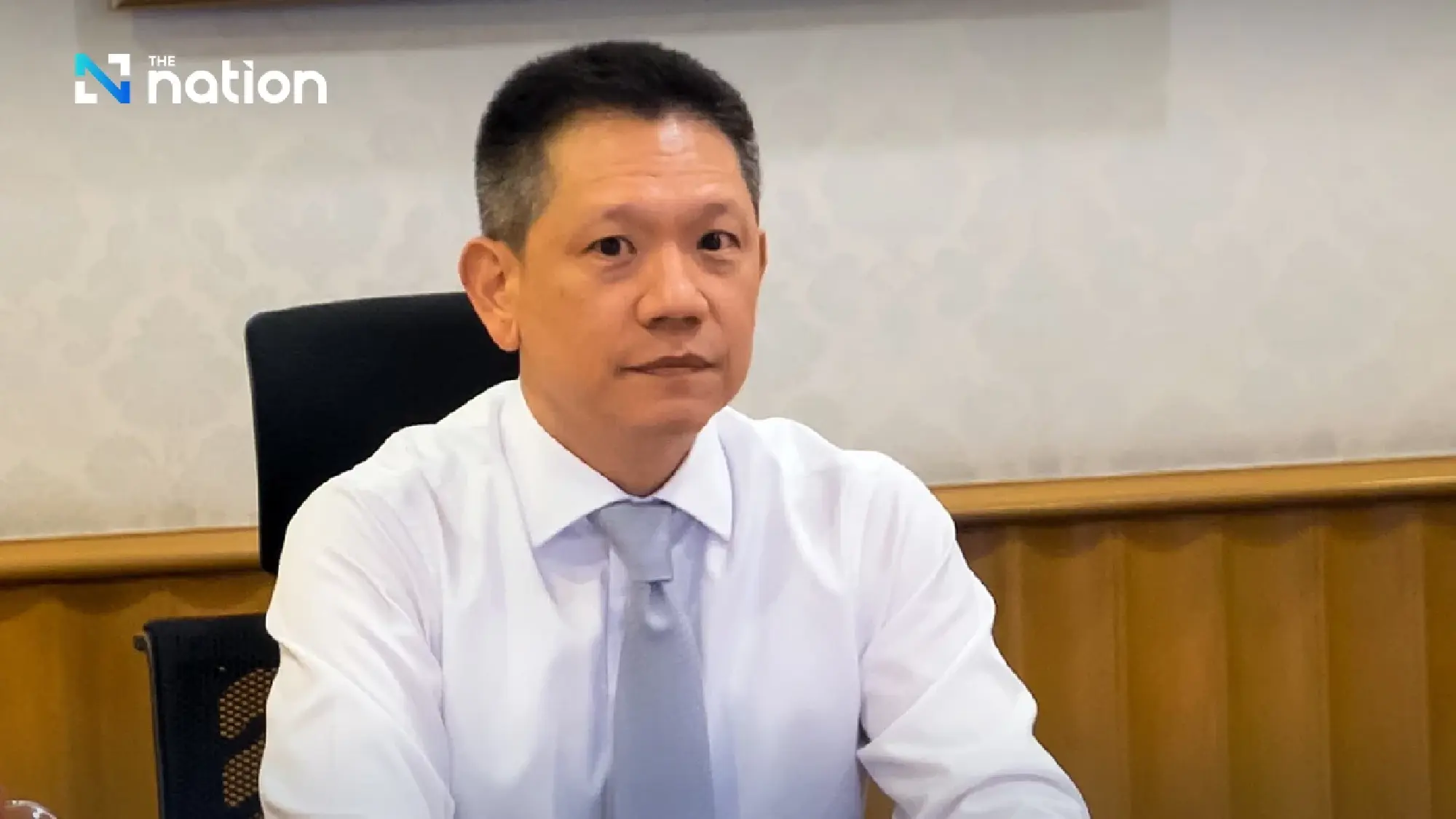
Lavaron Sangsnit, permanent secretary for finance, said the Excise Department is still studying the proposal and that several obstacles have prevented the scheme from being finalised as quickly as expected.
The project is intended to support Thailand’s transition to electric vehicles, but Lavaron said the current model may have to be adjusted or replaced with a more practical approach.

Used-car valuation the biggest hurdle
Lavaron said the main challenge is how to fairly assess the value of old vehicles, as cars of the same age can be in very different conditions.
Unlike new vehicles, old cars cannot easily be given a standard price. He said setting valuations too high or too low could create problems, especially if the scheme relies heavily on officials’ discretion.
The Finance Ministry does not want to launch a project that lacks clear rules and leaves officials to judge vehicle conditions case by case, he said.


Same-year cars can vary widely in condition
Lavaron said even small differences in valuation could become controversial.
For example, deciding whether a car should be valued at 50,000 baht, 55,000 baht or 65,000 baht could all raise questions. A higher-value vehicle assessed too low would create one problem, while a lower-value vehicle assessed too high would create another.
“Assessing old cars is difficult because vehicle conditions vary greatly. Some cars are well maintained, while others are almost scrap. Cars from the same year can be in very different conditions. Some owners take very good care of their vehicles, while others do not maintain them at all. Giving them the same price would be very difficult,” Lavaron said.
Scrapping system still unclear
Another obstacle is the lack of a clear system for scrapping old vehicles.
Lavaron said officials still need to work out how scrapped vehicles would be managed, including the separation of parts, scrap metal and batteries so they can be reused or recycled efficiently.
The issue is especially important because the scheme is linked to Thailand’s wider push towards electric vehicles and a more modern automotive industry.
Vehicle age criteria under review
The Finance Ministry is also reviewing the age criteria for vehicles eligible to take part in the scheme.
Officials have yet to decide whether participating vehicles should be at least five, 10 or 15 years old. Lavaron said differing opinions on the appropriate threshold mean the model must be studied again before any final decision is made.
“While the Excise Department has been asked to study the details further, it is possible that the final proposal may not come out in the original form of an old-cars-for-new-cars scheme. A new approach that is more suitable and more practical may be proposed instead,” he said.
Uncertainty could slow car purchases
Lavaron stressed that the government needs to reach a clear conclusion quickly, warning that prolonged uncertainty could affect the automotive market.
If the scheme remains unclear, consumers may delay buying cars while waiting for details, potentially causing the market to stall.
Concrete progress may not be seen by the middle of this year, as the Excise Department must first complete its study and finalise the criteria before seeking approval to use loan funds.
Scheme tied to 400bn-baht borrowing decree
The old-car trade-in scheme is expected to be funded under the 400-billion-baht borrowing Emergency Decree, in the portion the Ministry of Transport is preparing to propose.
The measure is aimed at supporting the shift to electric vehicles and is one of the proposals linked to the decree’s goal of pushing the automotive industry and accelerating Thailand’s EV transition.
