
Thai Chamber says US corn imports will not hurt farmers
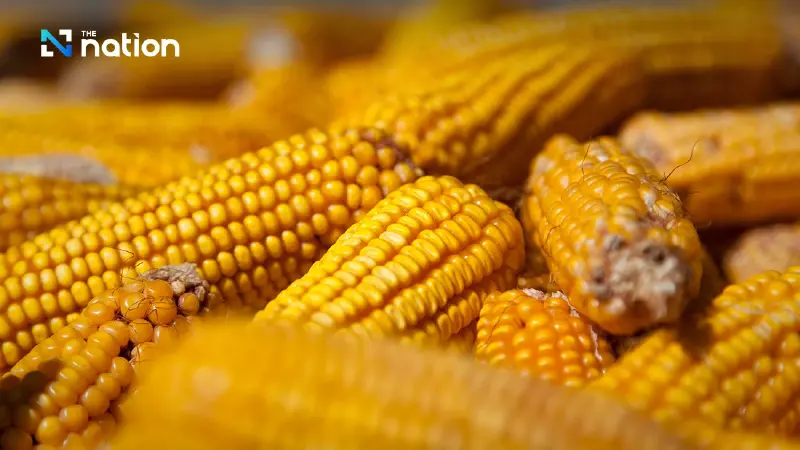


Thailand says planned US corn imports are needed to stabilise feed costs, food prices and long-term food security
Thailand’s business sector has moved to reassure farmers over plans to import one million tonnes of animal-feed corn from the United States, insisting the move is intended to stabilise supply chains and reduce feed costs rather than replace domestic produce.
Poj Aramwattananont, chairman of the Thai Chamber of Commerce and the Board of Trade of Thailand, said the country currently consumes around 8.5–9 million tonnes of animal-feed corn each year but can produce only about 4.8–5 million tonnes domestically.

The shortfall of around 3–4 million tonnes annually means Thailand must continue importing feed corn on a regular basis.
“The planned import of one million tonnes of US corn is only part of the volume Thailand already needs to import,” Poj said after a Thai private-sector delegation attended the SelectUSA Investment Summit 2026 and witnessed the signing of a corn-purchase cooperation agreement between private companies from both countries.
“It is not intended to replace the output of Thai farmers, but to manage raw materials in order to maintain stability throughout the food supply chain.”

Poj said imports would take place between February 1 and June 30, around two months before Thai farmers’ corn harvest enters the market, in order to avoid direct competition with domestic produce.
He added that existing farmer-protection measures would remain in place. Importers are still required to purchase domestic corn at a ratio of three parts local corn to one part imported corn, ensuring local output is absorbed first.
According to Poj, stabilising feed costs is the central objective of the import plan because feed is a major cost component for products including chicken, pork, eggs, milk, seafood and pet food.
He cited research from Kasikorn Research Center estimating that importing US corn could reduce animal-feed costs by about 8%, helping to ease pressure on living costs while supporting the long-term competitiveness of Thailand’s food industry.
“Thailand is one of the world’s major food exporters, particularly in chicken, shrimp, seafood, processed food and pet food,” he said.
“These industries require large volumes of feed ingredients and must comply with international environmental and traceability standards. If raw materials become scarce or excessively expensive, the impact could spread across farmers, businesses and consumer food prices.”

Thailand already imports around 1–2 million tonnes of corn annually from neighbouring countries such as Myanmar, Laos and Cambodia under the AFTA framework, meaning corn imports are not a new policy but part of a continuing raw-material management system.
The private sector also believes diversifying import sources towards countries with stronger environmental standards and clearer traceability systems could strengthen Thailand’s long-term food security while helping reduce environmental risks in the region, particularly PM2.5 pollution linked to agricultural burning in some neighbouring countries.
The government has meanwhile described the proposed US corn imports as part of broader international trade negotiations aimed at maintaining economic and trade balance while reducing pressure from future tariffs and trade measures.
Officials insist the policy will proceed alongside measures to support Thai farmers, maintain food-price stability and strengthen national food security over the long term.
The Thai Chamber of Commerce and the Board of Trade of Thailand are also preparing to jointly host the Thailand-U.S. Trade & Investment Forum 2026 with the U.S. Chamber of Commerce and AMCHAM Thailand on August 17, 2026, in Thailand, to expand cooperation in trade, investment, technology and future industries between the two countries.
