
Battle for Thailand’s skincare market heats up as brands race to capture skin-health boom



Thailand’s skincare market, worth about 109.91 billion baht, is becoming a key battleground for Thai and international beauty brands as consumers spend more on science-backed, skin-health-focused products.
Skincare becomes key battleground in Thailand’s beauty industry
The battle for Thailand’s skincare market is intensifying as local and international beauty brands race to capture consumers who are spending more on science-based, skin-health-focused products.
Thailand’s beauty industry is now worth more than 400 billion baht and is growing by an average of 6–8% per year. Within that market, skincare has become one of the strongest growth engines, with an estimated value of 109.91 billion baht.
The skincare segment expanded by 9.4% in 2025 and has grown by an average of around 9% annually over the past five years, outpacing several other categories in the wider beauty market.
Consumers shift from quick fixes to long-term skin health
Thailand’s beauty market covers several major categories, including skincare, make-up, haircare and personal care. However, skincare is emerging as the fastest-growing segment as consumer behaviour shifts from “solving skin problems” to long-term skin health.
Consumers are increasingly looking for products backed by science, dermatological testing and proven results. The trend is also being supported by demand for brightening, anti-ageing and skin-barrier care products.
Skincare has become a regular part of consumers’ daily routines, with many spending between 1,000 and 3,000 baht per month on skin health. Some consumers spend more than 3,000 baht monthly, reflecting the growing importance of skincare in personal care budgets.
E-commerce and social media have become major drivers of purchasing decisions, while modern retail channels such as Watsons and multi-brand beauty stores remain crucial for brand visibility and consumer trust.

Thai, European, Chinese and Korean brands compete for growth
The strong growth of Thailand’s skincare market has turned the country into one of Southeast Asia’s key beauty battlegrounds.
Brands from Thailand, Europe, China and South Korea are increasing their focus on the market, each using different strengths to compete. Thai brands are building local identity and product innovation, European brands are emphasising science and dermatological expertise, Chinese brands are expanding through celebrity-led and e-commerce-driven strategies, while Korean brands are using digital influence and hero products to grow.
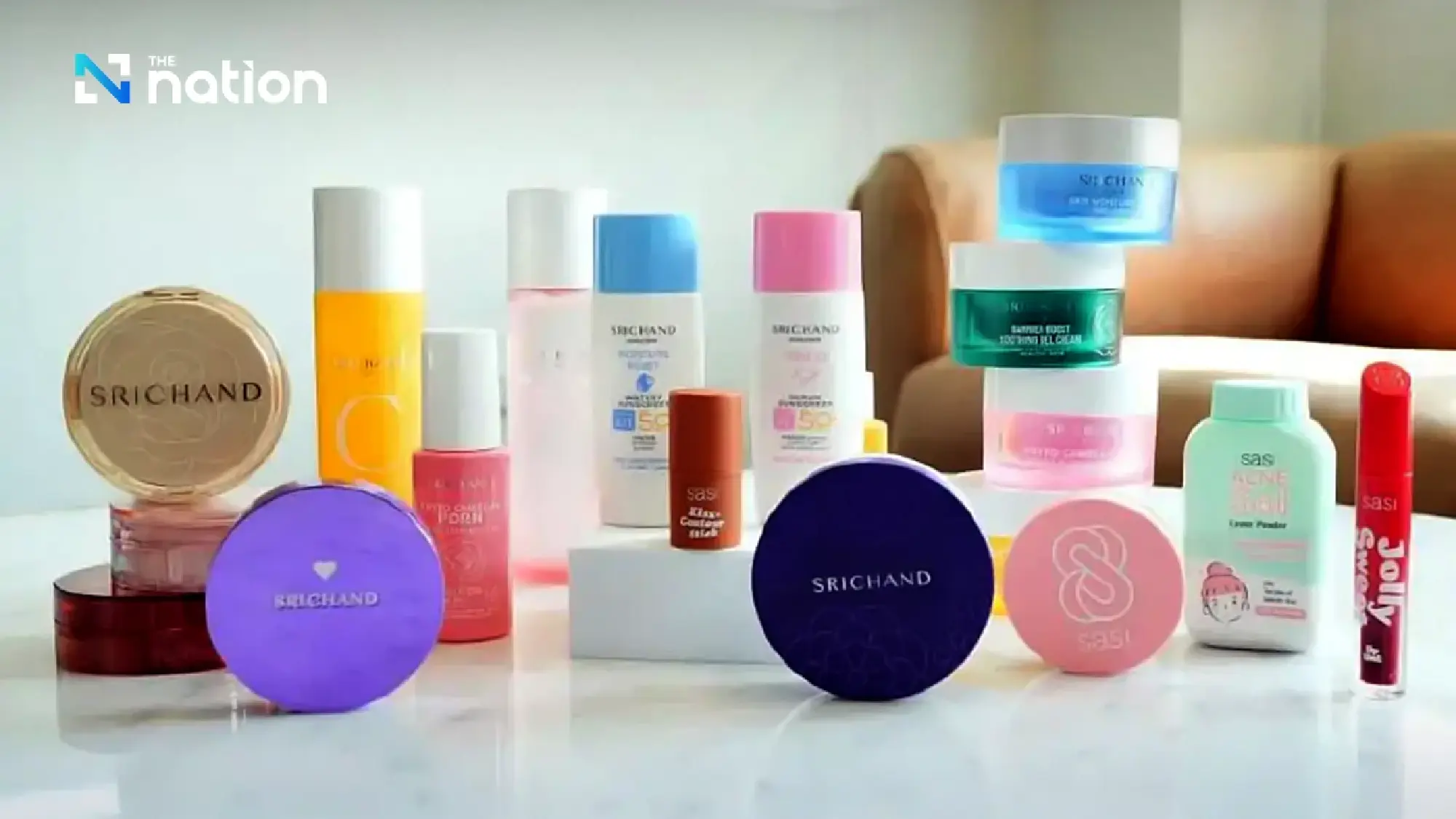
Srichand repositions around “Modern Thai Beauty”
Srichand, one of Thailand’s best-known beauty brands, is adjusting its strategy to capture stronger growth in the domestic skincare market amid rising competition from both local and foreign players.
The company has repositioned itself under the concept of “Modern Thai Beauty” as it seeks to appeal to younger consumers and strengthen its identity as a contemporary Thai beauty brand.
Ravis Hanutsaha, chief executive officer of Srichand Saha Osoth Co Ltd, said the market is being driven by the skin health trend, as consumers increasingly focus on healthy skin alongside continued demand for anti-ageing products.
Srichand currently focuses on three major product groups: make-up, sunscreen and skincare. In recent years, skincare has become the company’s fastest-growing category.
The company recorded total sales of more than 2 billion baht, with growth of around 30%. Its skincare segment grew by 50–60%, well above the market average, reflecting strong consumer response to newly developed products.
Srichand banks on innovation and BamBam partnership
To differentiate its products, Srichand is focusing on innovation. The company recently launched a new product line using Vegan PDRN, a DNA extract derived from camellia flowers, across gel foam, gel cream, essence and serum products.
On the marketing side, Srichand has continued to work with Kunpimook Bhuwakul, better known as BamBam, as its presenter for a second consecutive year.
The company sees BamBam as a global superstar who can help elevate the brand’s image internationally and expand awareness among consumers in Thailand and overseas. His fan base has also helped generate engagement and support brand visibility.
Srichand now distributes its products through modern trade, multi-brand stores and e-commerce platforms. The company has also started exporting to five or six countries, including Japan, China and Laos, with overseas sales accounting for about 5% of total revenue.
For the next phase, Srichand is studying further expansion into new regions, particularly the Middle East, while seeking suitable business partners.

NIVEA pushes skin science strategy in Thailand
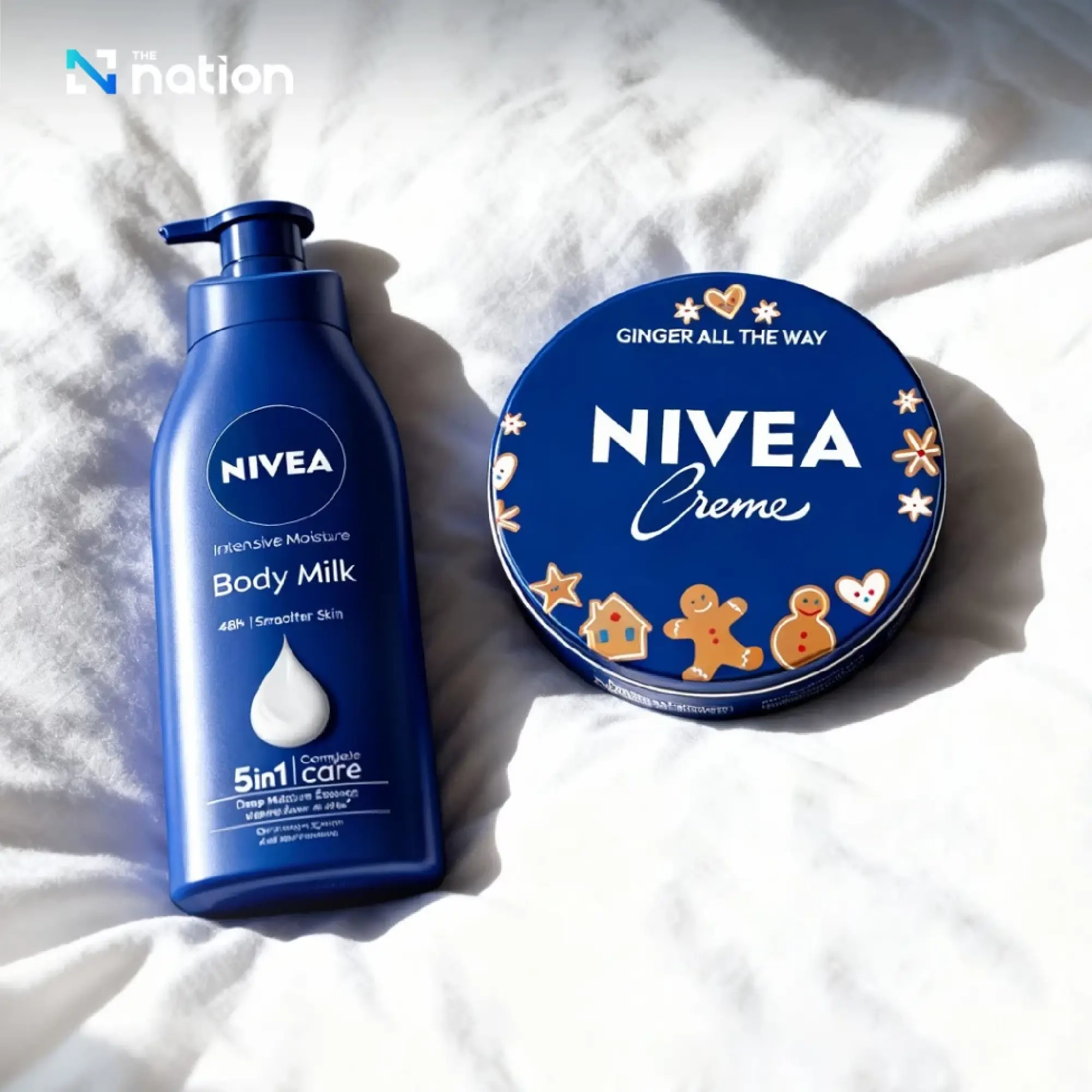
NIVEA, the German skincare brand under Beiersdorf, is also strengthening its growth strategy in Thailand by focusing on innovation based on “skin science”.
Waraporn Likhitjanyagul, managing director of Beiersdorf Thailand Co Ltd, said Thailand’s skincare market continues to grow despite challenging economic conditions. She said consumers are increasingly prioritising science-based products that are dermatologically tested and able to deliver visible results.
Beiersdorf invests more than 270 million euros per year, or nearly 10 billion baht, in research and development. The company operates research centres in several countries to create products tailored to consumer needs in different regions.
In Thailand, NIVEA is focusing on the face care segment, one of the fastest-growing categories in skincare. Face care accounts for about 83% of the skincare market and is growing by 9.5%.
Key products such as NIVEA Skin Glow Serum have quickly gained traction in the serum market, reflecting demand for brightening and anti-ageing solutions. The company has also developed products such as serum-infused cleansers and new sunscreen formats to strengthen its portfolio.
Fan Beauty Diary targets top-three status in Southeast Asia
Fan Beauty Diary, the Chinese skincare brand founded by actress and fashion icon Fan Bingbing, has officially entered Thailand as part of its regional expansion strategy.
The brand, built around the concept of “Sensory Skincare”, covers facial masks, skincare and haircare products. It has gained strong momentum in China through platforms such as Tmall, Douyin and Xiaohongshu.
In 2025, Fan Beauty Diary generated total sales of 1.8 billion yuan, or around 9 billion baht. The brand also became the top-selling Chinese facial mask brand on Lazada Malaysia and recorded sales of more than 12 million yuan, or about 60 million baht, within three days of launching in Singapore.
For Thailand, the brand is highlighting products designed for hot and humid climates. Fan Beauty Diary expects Thailand to become one of its top three markets in Southeast Asia.
To reach Thai consumers, the brand has partnered with BEAUTRIUM, with products available at the Siam Square Soi 7 flagship store, the centralwOrld branch and additional branches from April. Online sales are available through official stores on TikTok Shop, Shopee and Lazada, as well as BEAUTRIUM’s digital channels.
Beauty of Joseon turns online buzz into retail growth
Beauty of Joseon, a South Korean skincare brand, is also accelerating its expansion in Thailand after building momentum online.
The brand develops products under the concept of “Modern Hanbang”, combining traditional Korean herbal formulas from the Joseon era with modern science. Its products focus on gentle skincare, ingredients and safety, targeting consumers who are more selective about what they use on their skin.
Beauty of Joseon first entered Thailand through online channels, using reviews from real users, beauty bloggers and influencers to build awareness among younger consumers.
Its key strategy has been the “hero product” model, led by Relief Sun: Rice + Probiotics sunscreen. The product gained popularity through online word of mouth and became a major driver of brand recognition and sales.
After gaining traction digitally, the brand expanded into official retail channels to strengthen credibility and address concerns over parallel imports and counterfeit products. It is now available through Watsons, Watsons Online and Tsuruha.


From viral beauty trends to real sales
The expansion of Srichand, NIVEA, Fan Beauty Diary and Beauty of Joseon reflects a broader shift in Thailand’s skincare market.
The market is no longer driven only by brand heritage or mass advertising. Instead, growth is increasingly shaped by product credibility, scientific claims, digital engagement, influencer reviews, retail access and consumer trust.
As skincare becomes a daily necessity for many Thai consumers, competition is expected to intensify further across price points, product formats and sales channels.
The brands that can combine science-backed products with strong digital marketing and reliable distribution are likely to be best positioned to capture Thailand’s fast-growing skincare demand.
