
Thai cosmetics win over Chinese consumers, rival Korean and Japanese brands
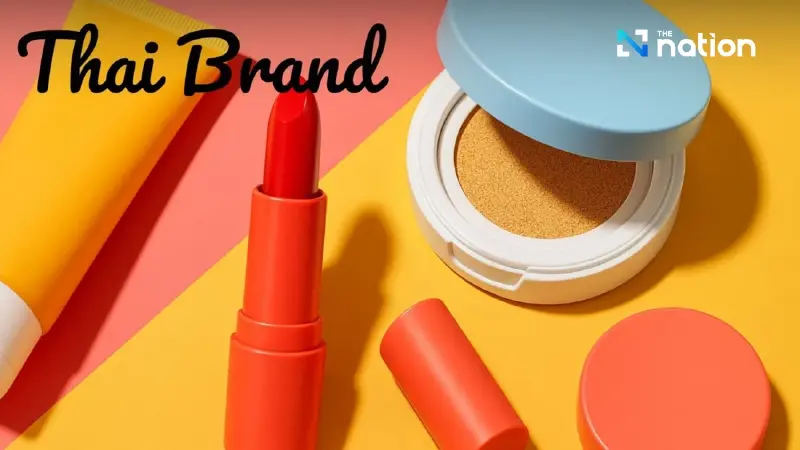


Thai cosmetics are enjoying unprecedented growth in the Chinese market, evolving from simple souvenirs for tourists into sought-after products on platforms such as Red Note and Douyin.
Once seen as gifts brought home by Chinese travellers, Thai beauty products are now increasingly purchased directly by consumers, driven by the influence of digital platforms, according to the Royal Thai Consulate-General’s Commercial Section in Xiamen.
Digital platforms and soft power boost T-beauty
Thai brands are benefitting from Chinese consumers sharing shopping experiences online. Posts showcasing products bought in Thailand and make-up tutorials inspired by Thai influencers are fuelling the discovery of Thai brands.
This momentum is reinforced by Thailand’s cultural soft power, particularly the popularity of Thai Y series across Asia. The trend has given rise to “suai meiku” – a hybrid of the Thai word suai (beautiful) and the Japanese meiku (make-up).
Characterised by dewy skin and warm-toned cheeks and lips, the look has gone viral on Red Note, with users creating tutorials using Thai cosmetics.

China continues imports despite market slowdown
Data from China’s General Administration of Customs shows that cosmetics imports grew steadily between 2020 and 2023, peaking at 1.63 billion yuan before dipping slightly to 1.52 billion yuan in 2024. Imports include lip, eye, and nail products, skincare, and make-up accessories.
From January to May 2025, cosmetics imports from Thailand reached US$5.57 billion. Although this was down 3.15% year-on-year, demand for Thai products remains strong. Skincare and cosmetics accounted for 97.62% of all imports from Thailand, while Thai lip products, though valued at just US$343,477, grew by a remarkable 82.85%.
Thai brands challenge European and Asian rivals
While French, Japanese, and American cosmetics brands reported negative growth, South Korea managed only modest expansion. As a result, Chinese consumers are turning to new alternatives that are both distinctive and accessible – a space where Thai cosmetics have a competitive edge.

Strengths of T-beauty
- High-performance sunscreen: Developed in a tropical climate, Thai sun-care products benefit from advanced formulations.
- Fashion-driven make-up: Consumer demand for expressive and trendy cosmetics continues to drive the growth of colour products.
- Thai fragrances and spa heritage: The global reputation of Thai spa culture, rooted in Buddhist traditions, is boosting demand for perfumes and aromatherapy.
Strategies for breaking into China
Thai brands that once relied on tourist spending are shifting towards digital-first strategies. They are launching smaller, single-use products tailored to China’s “try before you buy” trend, while building awareness through WeChat, Douyin, and Taobao, as well as partnerships with local retailers.
However, competition remains intense. K-beauty, J-beauty, and Chinese domestic brands hold advantages in market insights and product turnaround speed. For Thai cosmetics, building a strong international brand image will be the key to expanding their consumer base in China.
