
US trade talks signal possible tariff reductions on some goods, says Ekniti
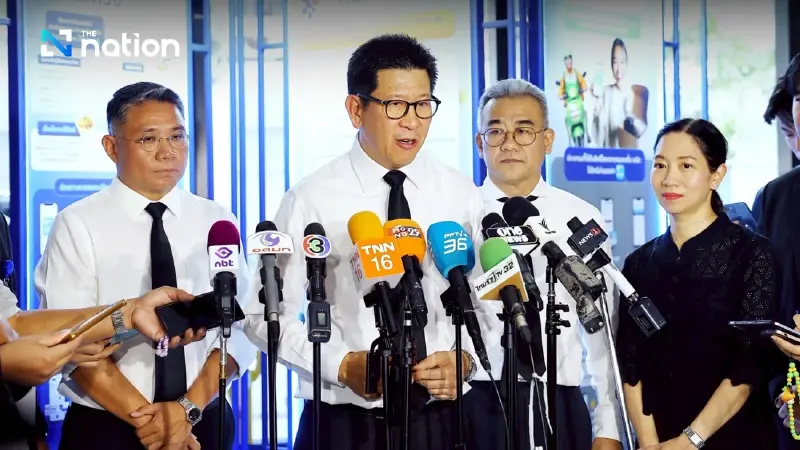


Thailand’s Finance Minister shares updates on US trade talks, with signals of possible tariff reductions for specific products.
Ekniti Nitithanprapas, Thailand’s Finance Minister and chair of the trade negotiation strategy committee, provided an update on ongoing trade discussions with the United States. He confirmed that the talks have been progressing positively, with the US Trade Representative (USTR) signaling the potential for tariff reductions on specific products.
Ekniti revealed that a virtual meeting with the USTR had already taken place, focusing on a framework that Thailand signed during the ASEAN Summit. This framework builds on previous government negotiations.
The minister explained that Thailand has been negotiating a reduction in tariffs, particularly from the current 19% rate. However, the US views Thailand’s tariff structure as competitive, with Thailand’s 19% standing slightly better than Vietnam’s 20%.
The USTR has provided a special opportunity, citing a US Executive Order that allows for tariff “reductions” and “exemptions” for specific products. Ekniti assured that the Thai negotiating team would continue working diligently to secure the best possible outcomes for Thai businesses.
Further discussions will focus on identifying which products could benefit from tariff relief, particularly imports such as animal feed corn. Ekniti noted that the reduced import duties would help lower costs for Thai manufacturers.
The trade discussions will also take into account Thailand’s market needs and existing Free Trade Agreement (FTA) commitments, which already include zero-tariff agreements for certain products.
The next round of talks with USTR is expected after the ASEAN Summit.
Ekniti also addressed concerns raised by the US regarding Thailand’s Customs reward system, which the US sees as a potential trade barrier. This issue, backed by private sector associations, will be reviewed to assess whether changes to the reward system could help facilitate trade.
Finally, the Finance Minister commented on the US Treasury’s statement regarding currency stability, asserting that Thailand’s central bank, the Bank of Thailand (BOT), has maintained its focus on price and currency stability without resorting to currency manipulation.
