
Middle East crisis drives fresh demand for Thai ultra-luxury homes
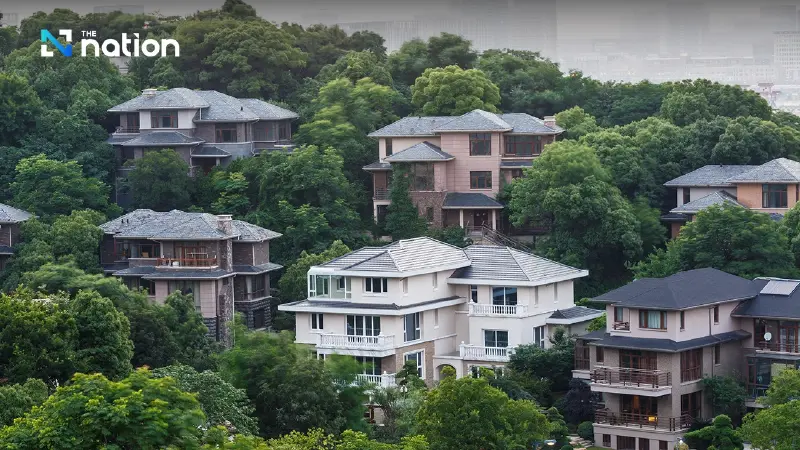


Thailand’s property sector is seeing rising interest from wealthy Middle Eastern buyers seeking ultra-luxury homes, as regional conflict fuels demand for safe long-term bases.
Thailand’s property sector is beginning to see a new opportunity emerging from the conflict in the Middle East, with wealthy buyers from the region showing greater interest in ultra-luxury homes and condominiums in Thailand.
Amid global uncertainty and prolonged regional tensions, developers believe Thailand is increasingly being viewed as a safe destination for long-term residence by foreigners seeking security, stability and a high quality of life.
Developers see opportunity amid regional turmoil
Prasert Taedullayasatit, president of the Thai Condominium Association, told Thansettakij that signs are emerging of fresh buying interest from the Middle East, particularly in the ultra-luxury segment, with enquiries being made through brokers and several property developers, especially Ananda Development Plc.
He said wealthy Middle Eastern buyers were looking at homes across a range of price points, with particular interest in condominiums and villas priced from 50 million baht upwards in Bangkok and key tourist destinations such as Chon Buri, Hua Hin and Phuket.
The fighting in the Middle East is expected to drag on, but within that crisis Thailand’s property industry sees room to attract high-spending overseas demand.
Thailand pitched as safe long-term base for wealthy families
According to Prasert, many prospective buyers begin by staying in Thailand for short periods in hotels or serviced apartments before deciding whether to make a longer-term commitment.
If they gain confidence in Thailand’s healthcare system, quality of life and living environment, they are more likely to buy a second home for long-term residence and relocate their families.
The factors supporting Thailand’s appeal include internationally recognised hospitals, international schools for children, and living costs that remain reasonable compared with developed countries. Together, these strengths position Thailand as an attractive long-stay option for affluent foreign residents.
Industry urges visa incentives to capture demand
The private sector believes the government should move quickly to capitalise on the opportunity by introducing stronger support measures, such as long-term visa packages or long-stay visa schemes.
Industry figures say such policies could be linked to the purchase or lease of residential property at suitable price levels, allowing high-net-worth foreigners to qualify for long-term visas under a framework similar to measures introduced during the government of former prime minister Prayut Chan-o-cha.
They argue that the benefits would extend beyond housing, helping to stimulate hotels, serviced apartments, hospitals and international schools, all of which form part of the ecosystem supporting foreigners who choose to live in Thailand.
Prasert said the Middle East remained one of the world’s major pools of purchasing power, and that if Thailand could attract just 1-2% of that market, it could generate investment inflows of around 10-20 billion baht a year, providing an important boost to both the property sector and the wider economy.
