
Retail confidence plummets amid political uncertainty and economic concerns
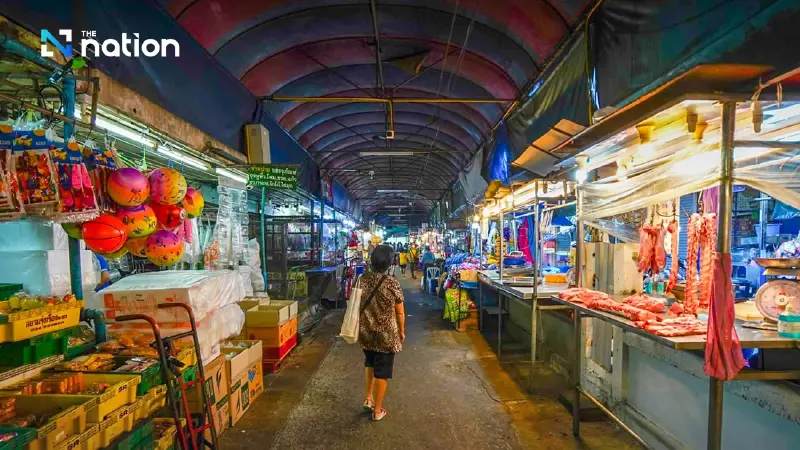


The Economic Confidence Index for retail entrepreneurs in January 2026 saw a drastic drop of 29.9 points, according to a survey by the Thai Retailers Association in collaboration with the Bank of Thailand, reflecting fears over political instability and economic challenges, with retailers anticipating a tough year ahead.
Retail Confidence Drops Sharply Amid Election Uncertainty
The Economic Confidence Index for retail entrepreneurs in January 2026 dropped by 29.9 points compared to December 2025, according to a survey conducted by the Thai Retailers Association in collaboration with the Bank of Thailand.
This sharp decline highlights growing concerns within the retail sector, driven primarily by political uncertainty surrounding the upcoming general election and prolonged economic challenges.
Retailers are increasingly worried about delays in forming a stable government, which could hinder the implementation of policies needed to stimulate domestic spending and economic recovery, according to the survey results.
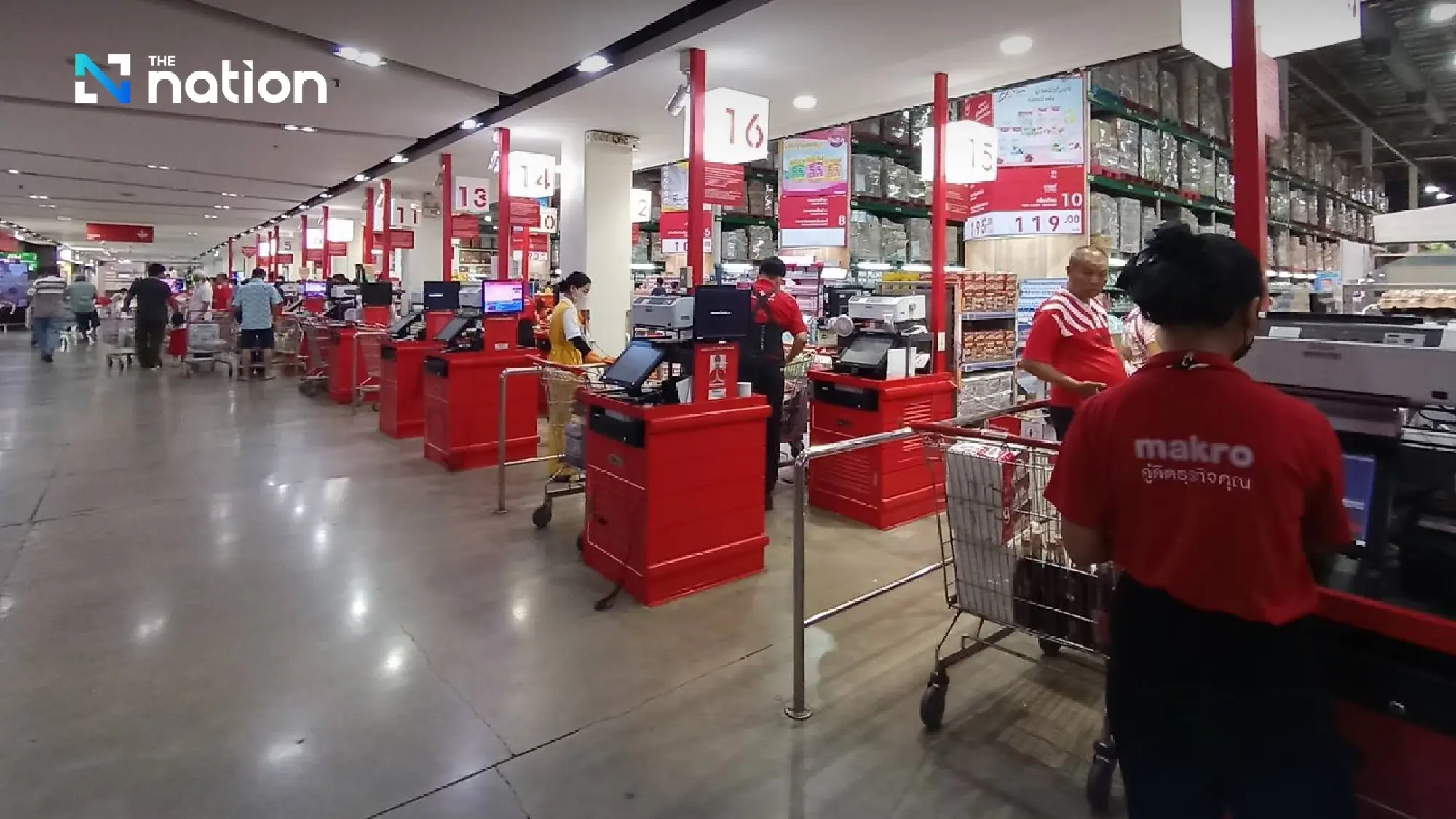

Political Uncertainty Drives Concerns Over Economic Stability
The primary factor behind the decline in confidence is the uncertainty surrounding the February 2026 election results. Retailers are concerned that the outcome may lead to a coalition government, with no single party able to secure a majority. This uncertainty has raised concerns about delays in government formation and the potential impact on economic policies and the country's recovery efforts. As a result, many businesses are bracing for continued difficulties in 2026, with a focus on the slow pace of economic stimulus after the new government is formed.
Retail Spending and Consumer Behavior Reflect Cautious Outlook
The survey results also revealed a significant reduction in key retail metrics, such as same-store sales growth (SSSG), spending per bill, and shopping frequency. Spending per bill dropped sharply from 54.9 points in December 2025 to 26.3 points in January 2026, a decline of 28.6 points. Likewise, shopping frequency decreased from 54.9 points to 31.9 points, a drop of 23 points. These trends suggest that consumers are exercising caution in their spending, particularly after the New Year holidays, due to the uncertain political climate and worries about the economy.

Regional Differences: Economic Struggles Felt Nationwide
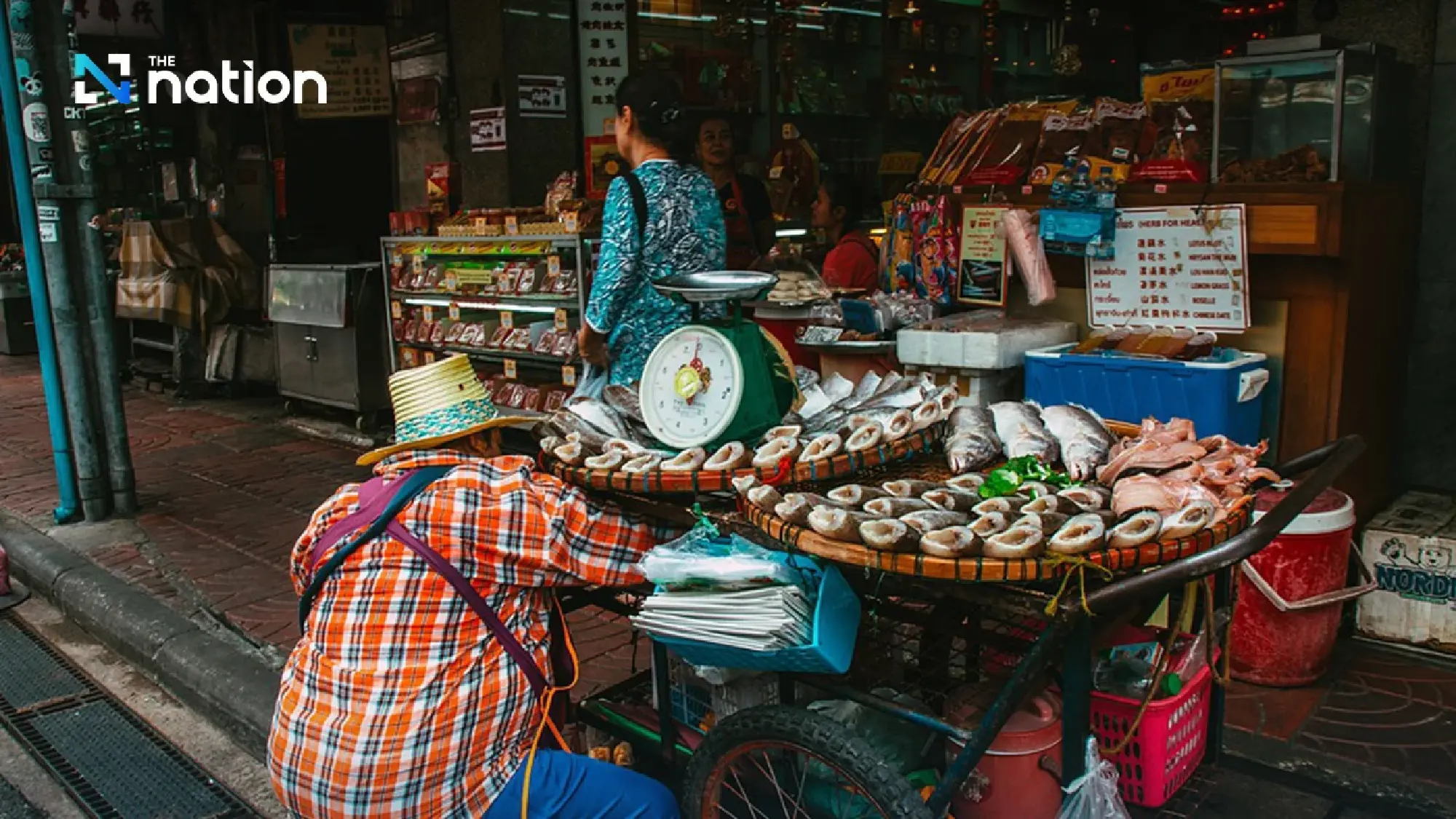
Retailers in all regions are facing the brunt of economic and political instability. In Bangkok and the surrounding areas, which represent 43% of the national retail and wholesale market, sales in most sectors, particularly department stores, fashion, and cosmetics, showed notable declines. In other regions, such as the central, eastern, and western areas, where income is heavily dependent on industrial estates and agriculture, large chain stores and restaurants saw significant drops in sales. Although supermarkets and convenience stores experienced only slight declines, they still reflect weak consumer spending power.

Forecasting a Tough First Quarter in 2026
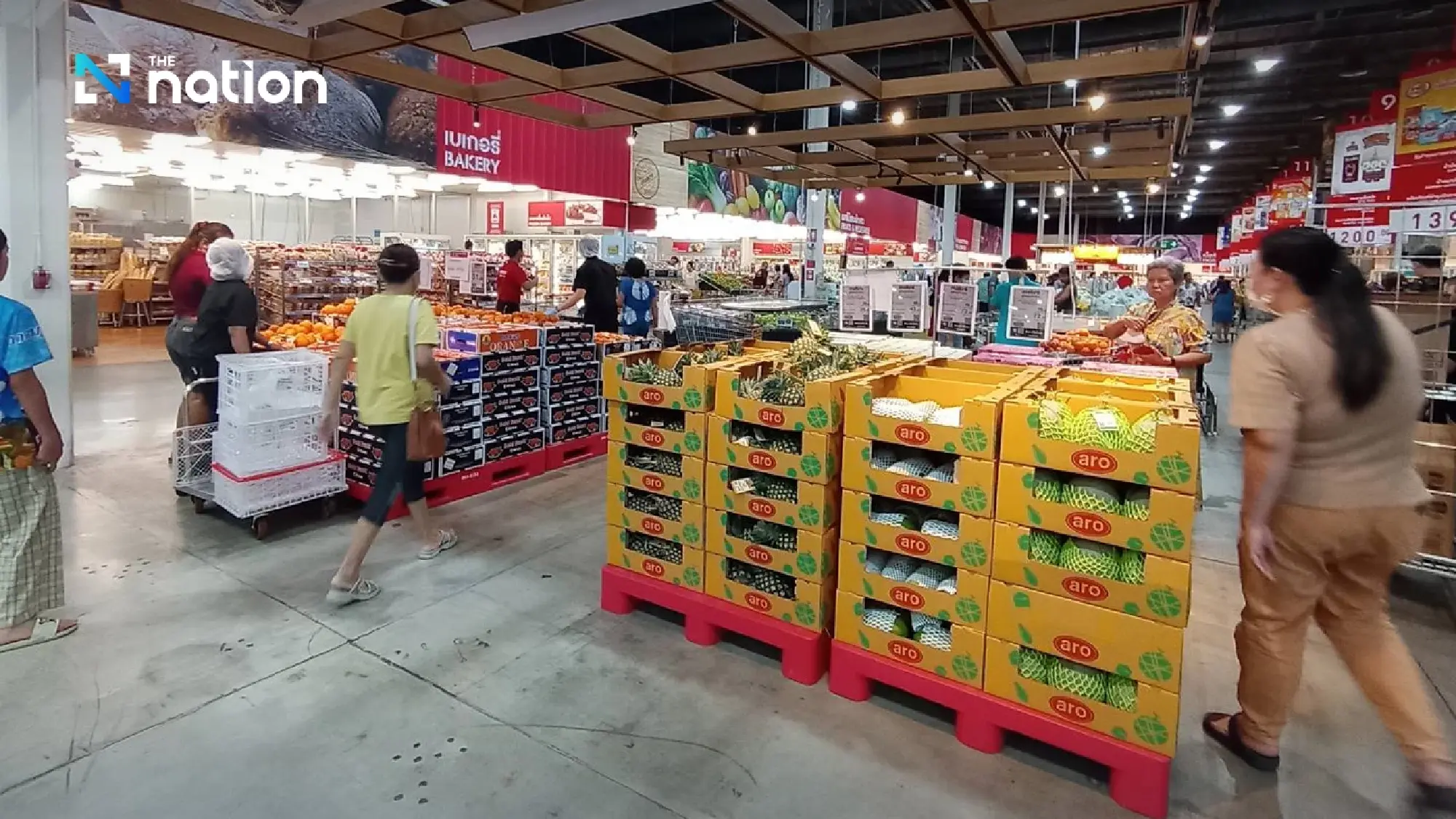
Retailers are predicting a significant downturn in sales for the first quarter of 2026 compared to the same period in 2025. According to the Thai Retailers Association’s latest survey in collaboration with the Bank of Thailand, 65% of retailers expect their performance to decline, driven by the ongoing political uncertainty and the weak economy at the start of the year. Despite hopes for economic stimulus after the new government is formed, many retailers are not expecting a quick recovery, particularly in the first three months of the year.
