
Commerce Ministry set to expand controlled goods list to 71 items, with 13 more requiring approval before price rises
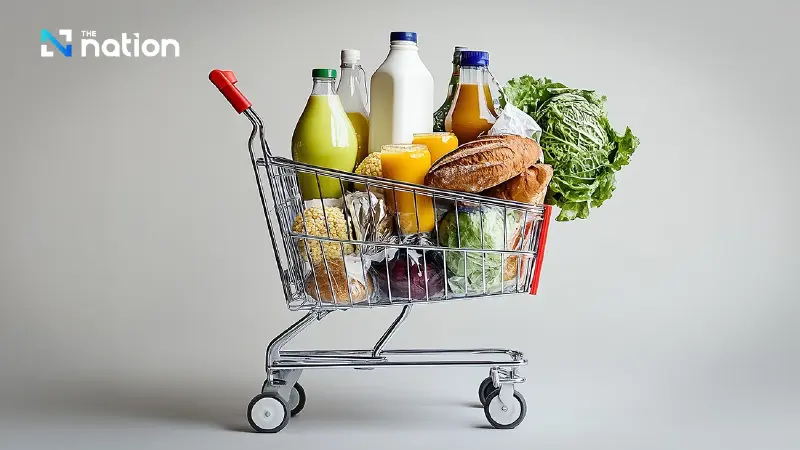


Thailand’s Commerce Ministry will consider adding 12 more items to the controlled goods list—raising the total to 71—while expanding the group needing prior approval for price increases to 21 items.
Thailand’s Commerce Ministry is preparing to expand its controlled goods list to 71 items, and tighten rules on price increases for a wider range of everyday products, according to Nantapong Jiralertpong, director of the Office of Trade Policy and Strategy and the ministry’s spokesperson.

Nantapong said that on the afternoon of March 25, Commerce Minister Suphajee Suthumpun called a meeting of the Committee on the Price of Goods and Services to consider adding 12 more items to the controlled goods list. The proposed additions include cost-of-living products such as bottled water, and items linked to production costs—expanding the current list from 59 to 71.
He said the ministry is also preparing to increase the number of items that must obtain Commerce Ministry approval before any price increase. The number currently stands at eight, and is expected to rise by 13 more items, bringing the total to 21. Examples include toilet paper, dishwashing products, soap and shampoo. If approved by the committee, the measures will be submitted to the Cabinet for further consideration on March 31.

Nantapong said provincial commerce offices across 16 provinces, working with provincial energy officials and governors, inspected 2,726 locations nationwide between March 5-24, 2026. These included 1,650 petrol stations, 569 fertiliser retailers, and 57 markets and retail stores.
Officials found 14 violations in nine provinces under the Price of Goods and Services Act B.E. 2542 (1999), mostly for failing to display price tags. Charges were filed and fines settled, he said.
The Department of Internal Trade’s hotline 1569 received 372 complaints. Of these, officials found:
- 14 cases of no price display
- 3 cases of prices not matching the displayed price
- 1 case of unclear price display
- 119 cases with no wrongdoing found
- 235 cases still under review
Another 33 complaints concerned alleged overpricing. Nantapong said these are being assessed against actual cost structures, with action to follow in line with the law.
He said inspections in Bangkok and surrounding provinces found overall supply levels sufficient and many prices broadly stable—particularly for common ready-to-eat meals such as noodles and curry-and-rice dishes. However, some fresh food items such as pork, chicken and eggs have risen in line with higher costs, including transport and raw materials.
Packaging items such as plastic bags have also increased due to upstream supply-chain costs. The ministry has responded by expanding Blue Flag low-cost sales areas and strengthening the Green Flag fertiliser discount scheme, with plans to increase both budgets and coverage.
Asked about areas where price rises may not yet have been checked thoroughly, Nantapong said increases seen in markets largely fall into three categories:
- Fresh food such as chicken and pork rising by around 10 baht, linked to cost structures such as energy and transport
- Bottled water, where prices vary by brand and quality, with some still priced around 40-50 baht
- Plastic resin costs, pushing up packaging and bag prices
He said these trends are signals of rising prices and underline the need for measures to reduce the cost of living.
