
Energy minister plans oil reserve, tighter controls to restore market trust
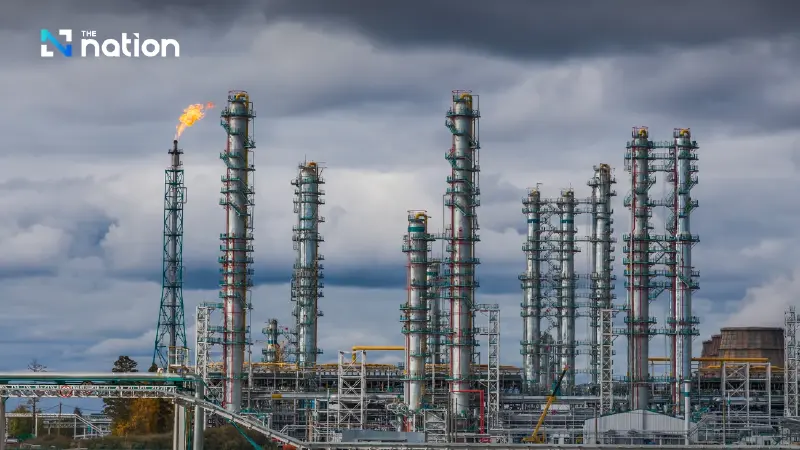


Thailand’s new energy minister has proposed a strategic petroleum reserve and real-time oil flow disclosure to boost transparency, deter hoarding and tighten control over refining margins.
Thailand’s newly appointed Energy Minister, Akanat Promphan, has candidly admitted that he is facing a “heavy task” immediately after taking office, amid mounting pressure from energy problems that are weighing on the economy and the cost of living.
He said he had already begun discussions with the prime minister on possible solutions and insisted that there would definitely be “structural changes” in the way the country’s energy sector is managed. However, he noted that his ability to fully perform his duties is still constrained for now under Section 185 of the Constitution.
The minister said there are two main urgent issues: high oil prices and high electricity bills. In particular, he said the oil problem is not limited to expensive prices driven by the global market, but also includes signs of shortages in some areas, even though nationwide data shows there are sufficient reserves and refining capacity exceeds demand by more than 10 million litres per day.
This has raised questions over a lack of transparency in the oil distribution system, especially the movement of oil from upstream to downstream. At present, detailed and timely disclosure is still lacking, making it impossible to verify where the oil is within the system and leaving room for hoarding or leakage.
“Today, we only have monthly overall stock figures, but no daily or near real-time data on oil flow, even though there should be information covering refineries, storage depots, major traders and petrol stations so that the public can verify it,” Akanat said.
“If production exceeds demand by more than 10 million litres, but the fuel does not fully reach end users, then where has it gone?”

He stressed that transparency is a key tool for easing public panic, rather than continuing to rely rigidly on foreign reference pricing mechanisms. He singled out Singapore oil prices in particular, saying they are often announced late at night, which creates confusion and does not reflect Thailand’s true cost structure.
The energy minister believes domestic oil prices are currently abnormally high, on average around 13 baht per litre above where they should be, reflecting structural problems that urgently need to be addressed in terms of costs, pricing and market mechanisms.
Another closely watched issue is the refining margin, which has risen sharply from an average of just 2 to 3 baht per litre to between 7 and 13 baht per litre. Akanat said this was “beyond reasonable levels”, especially during a crisis.
He said the ministry is preparing to consider setting a refinery margin cap to prevent operators from making excessive profits, and suggested that if refining margins can be reduced, the benefit should first be used to lower fuel prices for the public.
“I understand that businesses need to make a profit, but a jump from 2 baht to 7 baht during a crisis is too high. Everyone is already aware of the limitations of the free market. If there is excessive income during a crisis, then it must be reviewed, and it could even lead to a windfall tax,” he said.
At the same time, the minister said he would review the role of the Oil Fuel Fund, which has been criticised for a lack of transparency in its management, particularly over price adjustment announcements made late at night, which have undermined public and market confidence.

As a longer-term measure, he proposed that Thailand consider establishing a strategic petroleum reserve, replacing the current system under which private operators hold reserves. This would strengthen energy security during times of crisis and reduce the risks of relying solely on market mechanisms, he said.
He also sent a signal to operators and anyone who may be hoarding fuel for speculative gain that oil prices do not only move in one direction, and that the new policies now being prepared could create room for prices to fall in future.
Amid continued volatility in global energy markets, the new energy minister’s policy moves are being closely watched to see whether he can dismantle outdated structures, improve transparency and ease the burden of living costs on the public at this critical turning point.
